
Exploring Minimalist, Abstract, and Dotwork Art: The Beauty of Simplicity and Precision
Discover the essence of Minimalist, Abstract, and Dotwork art. Learn how Minimalism emphasizes simplicity, Abstract art explores non-representational forms, and Dotwork showcases precision through intricate patterns. Dive into the history, techniques, and impact of these unique artistic styles and how they shape contemporary art.

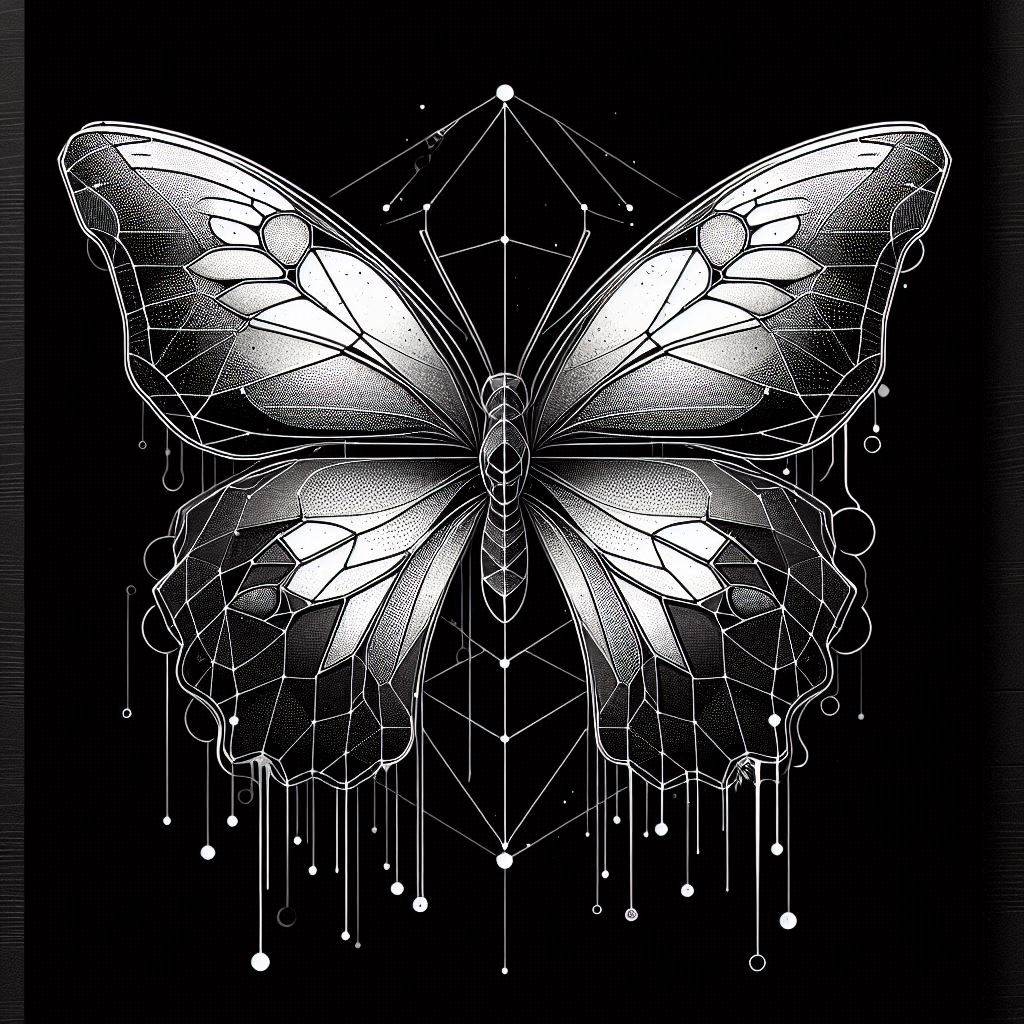
Art is a boundless realm of creativity, where each style tells a story through its unique approach. Among the myriad of artistic expressions, Minimalist, Abstract, and Dotwork art stand out for their distinctive approaches and profound impact. These styles, though varied, share a common thread in their quest for meaning through simplicity and innovation. This blog delves into the essence of these art forms, their evolution, and their relevance in today's artistic landscape.
Minimalist Art: The Power of Less
Minimalism, as an art movement, emerged in the late 1950s as a reaction against the complexity of abstract expressionism. It emphasizes simplicity, clarity, and the use of minimal elements to create a powerful aesthetic. The mantra of "less is more" is central to Minimalist art, where the focus is on stripping away the non-essential to reveal the core of the artwork.
1. Origins and Philosophy:
Minimalist art traces its roots back to the early 20th century, influenced by earlier movements like De Stijl and Russian Constructivism. However, it was in the 1960s that Minimalism solidified as a distinct movement. Artists like Donald Judd, Agnes Martin, and Frank Stella were pioneers who embraced geometric forms, monochromatic palettes, and industrial materials. Their work sought to eliminate personal expression and emotional content, emphasizing the intrinsic qualities of the art itself.
2. Characteristics:
Minimalist art is often characterized by its use of geometric shapes, clean lines, and a restrained color palette. The goal is to create a sense of purity and clarity, allowing viewers to engage with the art on a more intellectual level. This simplicity can evoke a meditative experience, encouraging viewers to focus on the relationship between space, form, and material.
3. Impact and Legacy:
The impact of Minimalist art extends beyond the art world into design, architecture, and lifestyle. The principles of Minimalism have influenced modern interior design, product design, and even personal philosophy. By promoting the idea that simplicity can lead to greater clarity and appreciation, Minimalism continues to resonate with contemporary audiences seeking balance and meaning in a cluttered world.
Abstract Art: The Freedom of Expression
Abstract art represents a departure from representational forms, exploring the realm of non-objective and non-representational imagery. It emerged in the early 20th century as artists began to explore new ways of expressing emotion, thought, and experience without relying on recognizable subjects.
1. Historical Context:
Abstract art has its origins in the late 19th and early 20th centuries. Artists like Wassily Kandinsky, Piet Mondrian, and Kazimir Malevich were instrumental in pioneering abstract techniques. Kandinsky, in particular, believed that art could transcend physical reality and communicate directly with the viewer's soul. This idea was revolutionary, setting the stage for a diverse range of abstract styles.
2. Styles and Techniques:
Abstract art encompasses a wide array of styles, from the geometric precision of Mondrian’s grids to the emotive brushstrokes of Abstract Expressionism. It often involves the use of bold colors, dynamic shapes, and varied textures. Artists may employ techniques such as automatic drawing, collage, and deconstruction to explore new dimensions of artistic expression.
3. Significance and Evolution:
Abstract art has significantly influenced contemporary art practices, encouraging experimentation and innovation. It challenges traditional notions of representation and invites viewers to engage with art on a more personal and subjective level. The movement has paved the way for countless modern artists to explore and redefine the boundaries of artistic expression.
Dotwork Art: The Precision of Points
Dotwork art, also known as stippling, is a technique that employs tiny dots to create intricate patterns, textures, and shading. This style is particularly prominent in tattoo art but has also made its mark in various visual arts.
1. Historical Roots:
Dotwork art has a rich history, with roots in ancient civilizations that used dot-based techniques for various forms of decoration. In modern times, the technique has gained prominence in tattoo art, where artists use dots to create detailed designs and shading. The precision of dotwork requires patience and skill, as each dot contributes to the overall composition.
2. Technique and Aesthetics:
The essence of dotwork lies in its meticulous approach. Artists create depth and texture by varying the density and placement of dots. The result is a visually striking effect that can range from subtle gradients to bold, intricate patterns. The technique allows for a high degree of detail and control, making it a favorite among artists who appreciate the meditative process of creating art.
3. Contemporary Trends:
In recent years, dotwork has gained popularity beyond traditional tattooing, finding its way into graphic design, illustration, and other visual arts. Artists are exploring innovative ways to integrate dotwork with other styles, creating unique and modern interpretations of the technique. The rise of digital art tools has also expanded the possibilities for dotwork, enabling artists to experiment with new forms and effects.
The Interplay of Styles
While Minimalist, Abstract, and Dotwork art each have distinct characteristics, they also intersect in fascinating ways. The precision of dotwork, for instance, can complement the clean lines of Minimalism, while the emotive potential of Abstract art can enhance the intricate details of dot-based designs.
1. Minimalism and Dotwork:
Combining Minimalist principles with dotwork can lead to striking compositions that emphasize the beauty of simplicity and detail. By using dots to create minimalist designs, artists can explore the balance between form and content, highlighting the elegance of both techniques.
2. Abstract Art and Dotwork:
Abstract art often embraces experimentation, and dotwork can add a unique dimension to abstract compositions. The interplay of dots and abstract forms can create visually complex and engaging pieces, inviting viewers to explore the nuances of both styles.
3. Minimalism and Abstract Art:
Minimalist art's focus on simplicity and abstraction can overlap, as both styles seek to transcend traditional representational forms. The minimalist approach to abstraction often results in artwork that emphasizes purity and clarity, while abstract art can incorporate minimalist elements to enhance its impact.
Conclusion
Minimalist, Abstract, and Dotwork art each offer unique perspectives and approaches to creativity. Minimalism's emphasis on simplicity, Abstract art's exploration of non-representational forms, and Dotwork's precision and detail all contribute to a rich and diverse artistic landscape. By understanding and appreciating these styles, we gain insight into the myriad ways artists communicate ideas, emotions, and experiences. Whether through the understated elegance of Minimalism, the expressive freedom of Abstract art, or the meticulous craft of Dotwork, each style invites us to see the world through a new lens, revealing the beauty and complexity of the human experience.
In embracing these art forms, we not only celebrate their historical significance but also engage with their evolving impact on contemporary culture. As artists continue to push boundaries and explore new techniques, Minimalist, Abstract, and Dotwork art will undoubtedly continue to inspire and captivate audiences around the world.
About the Creator
Oliver Green
❤️ 30 Years old
💰 Sink ( Single income, no kids)
👔 I work as a Blogger
📊 I love ChatGPT and AI
💻 Hobbies: Gamer, and the Reading.
Keep reading
More stories from Oliver Green and writers in Art and other communities.
Digital Sculpture Techniques
Introduction Digital sculpture has emerged as a groundbreaking form of art that merges traditional sculpting techniques with advanced digital technology. This innovative approach allows artists to create intricate and detailed sculptures that can be easily edited, shared, and even brought to life through 3D printing. As digital tools and software continue to evolve, digital sculpture is becoming increasingly popular among both professional artists and hobbyists. This blog post will explore various digital sculpture techniques, providing insights and guidance for art enthusiasts looking to delve into this fascinating field.
By Oliver Green2 years ago in Art
'Till Death We Do Art
There would be nothing divine in this world without art. Nature may surpass the divine to all intents and purposes, but like everything it absorbs and is absorbed by, it remains here, stuck on the surface of this world, ever-present, physically bound to the universe.
By Avocado Nunzella BSc (Psych) -- M.A.P 27 days ago in Art
Leadership Behind the Experience: The Role of Brandon Cody Verran at Big Sky
In the world of hospitality and resort management, great guest experiences rarely happen by accident. Behind every smooth operation, welcoming atmosphere, and memorable stay is a team of dedicated professionals working together. At Big Sky Resort, one of the most renowned mountain destinations in North America, leadership plays a key role in ensuring that guests receive the level of service they expect. Among those helping guide operations is Brandon Cody Verran, who serves as an assistant general manager within the larger organization of Boyne Resorts.
By ORM_Specialist7 days ago in Art
A Transparent Look at Vocal Challenges and Top Stories
Almost three years ago, we shared a resource article that served as a place for people to suggest new challenge prompts. We thought it would be a good idea to refresh that thread, and take the opportunity to answer a few common questions about top stories, how challenges are judged and how submissions are reviewed.
By Vocal Curation Team4 days ago in Resources




Comments (1)
Amazing