
Digital Sculpture Techniques
Discover the world of digital sculpture art with our comprehensive tutorials, expert software reviews, and advanced sculpting techniques. Learn how to create stunning digital sculptures, explore the best tools and software, and stay updated with the latest trends in the digital art world. Start your journey into digital sculpting today and bring your artistic visions to life.

Introduction
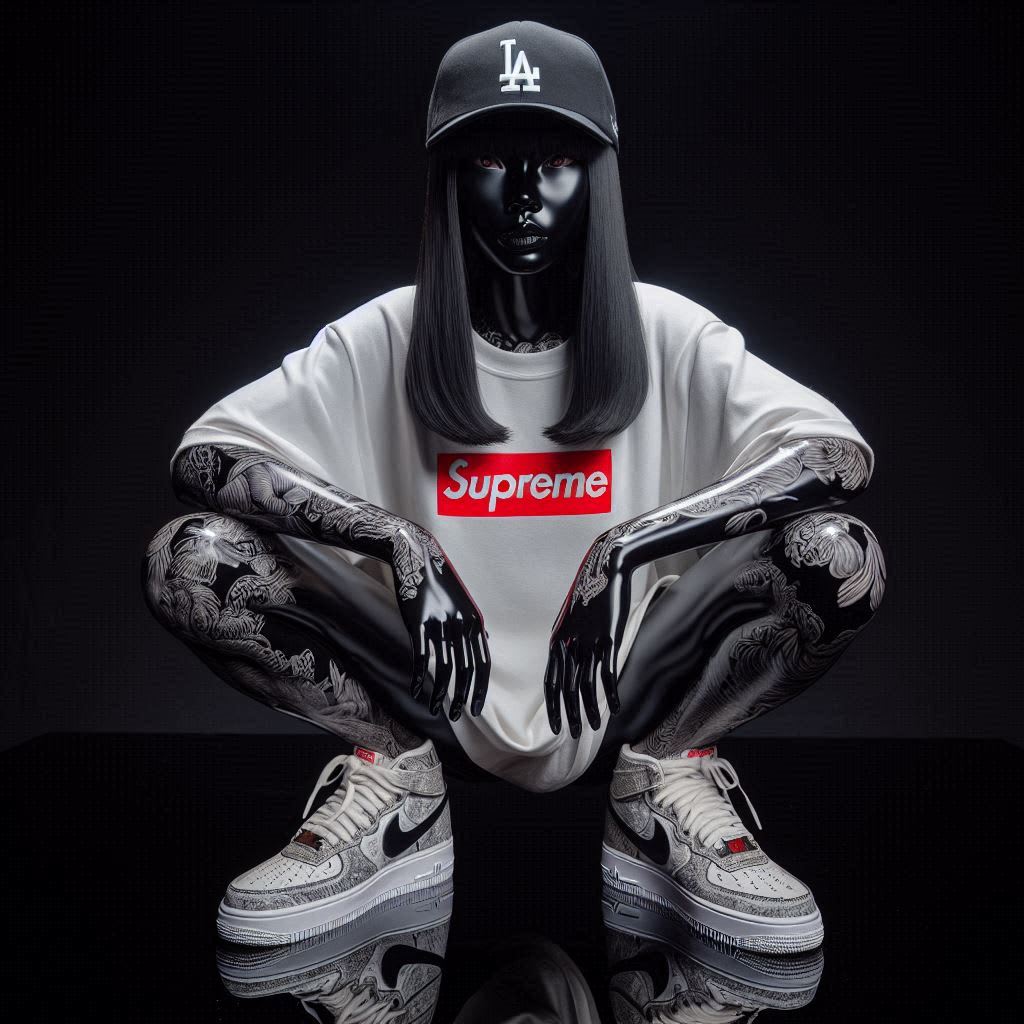
Digital sculpture has emerged as a groundbreaking form of art that merges traditional sculpting techniques with advanced digital technology. This innovative approach allows artists to create intricate and detailed sculptures that can be easily edited, shared, and even brought to life through 3D printing. As digital tools and software continue to evolve, digital sculpture is becoming increasingly popular among both professional artists and hobbyists. This blog post will explore various digital sculpture techniques, providing insights and guidance for art enthusiasts looking to delve into this fascinating field.
History and Evolution of Digital Sculpture
The journey of digital sculpture began in the late 20th century with the advent of computer-aided design (CAD) software. Early pioneers used basic 3D modeling tools to create simple shapes and forms. As technology progressed, more sophisticated software such as ZBrush and Blender emerged, enabling artists to sculpt with unprecedented precision and complexity.
Traditional sculpture techniques have significantly influenced digital sculpture. The foundational principles of form, anatomy, and composition remain relevant, but digital tools offer unique advantages. Artists can now experiment without the constraints of physical materials, undo mistakes with a click, and achieve intricate details that would be challenging to create by hand.
Essential Tools and Software
To embark on a digital sculpture journey, artists need access to the right tools and software. Some of the most popular programs include:
- ZBrush: Known for its powerful sculpting tools and intuitive interface, ZBrush is a favorite among professional digital sculptors. It allows for high-resolution detailing and offers a wide range of brushes and customization options.
- Blender: A versatile and free software, Blender provides robust sculpting capabilities along with animation, rendering, and modeling tools. Its open-source nature has fostered a large and supportive community.
- Maya: Often used in the film and gaming industries, Maya offers comprehensive 3D modeling and sculpting features. Its integration with other Autodesk products makes it a powerful tool for professional artists.
In addition to software, a capable computer with a high-resolution display and a graphics tablet (such as a Wacom) are essential for precise control and detailed work. Artists may also benefit from additional resources such as online tutorials, forums, and digital libraries of textures and materials.
Basic Techniques in Digital Sculpture
Starting with a solid foundation is crucial in digital sculpture. The process often begins with blocking out the shape, which involves creating a rough outline of the sculpture's basic form. This stage focuses on getting the proportions and overall structure right before moving on to finer details.
Once the basic shape is established, artists can begin adding details and refining forms. This involves sculpting secondary forms such as muscles, folds, and other intricate features. Understanding the use of digital brushes is essential at this stage. Different brushes serve various purposes, from smoothing surfaces to adding texture and fine lines.
Another fundamental technique is working with symmetry. Most digital sculpting software allows artists to mirror their work, ensuring symmetrical details on both sides of the sculpture. This is particularly useful for sculpting human figures and other symmetrical objects.
Advanced Techniques and Tips
For those looking to advance their digital sculpting skills, several techniques can elevate their work to the next level. Dynamic topology and adaptive tessellation are powerful features that allow artists to add or reduce mesh density dynamically. This enables detailed sculpting without worrying about running out of polygons.
Using alphas and textures is another advanced technique. Alphas are grayscale images that can be used to create complex surface details quickly. By applying these images to a brush, artists can add intricate patterns, textures, and reliefs to their sculptures.
Sculpting realistic human anatomy requires a deep understanding of the underlying structures and how they influence surface forms. Artists often use reference images and anatomical studies to achieve lifelike representations. Tools like ZBrush's anatomy brushes can aid in creating detailed muscle and bone structures.
3D Printing and Digital Sculptures
One of the most exciting aspects of digital sculpture is the ability to convert digital models into physical objects through 3D printing. This process involves exporting the digital sculpture as a 3D file (usually in STL or OBJ format) and using slicing software to prepare it for printing.
3D printing opens up new possibilities for artists, allowing them to create tangible versions of their digital creations. However, the transition from digital to physical can present challenges. Issues such as scale, support structures, and print resolution must be carefully considered to ensure a successful print.
Case Studies and Inspirations
Exploring the works of renowned digital sculptors can provide valuable inspiration and insights. Artists like Rafael Grassetti, known for his work in the gaming industry, and Glauco Longhi, celebrated for his intricate character designs, have made significant contributions to the field of digital sculpture.
Their works demonstrate the potential of digital tools to create stunning and lifelike sculptures. Interviews and quotes from these artists often reveal their creative processes, preferred techniques, and tips for aspiring digital sculptors.
Future Trends in Digital Sculpture
The future of digital sculpture is bright, with emerging technologies poised to revolutionize the field further. Developments in virtual reality (VR) and augmented reality (AR) are providing new platforms for sculpting in immersive environments. These technologies allow artists to interact with their sculptures in 3D space, offering a more intuitive and engaging experience.
Artificial intelligence (AI) is also making its mark, with AI-powered tools assisting artists in tasks such as generating textures, optimizing meshes, and even suggesting design variations. As these technologies continue to evolve, they will undoubtedly expand the possibilities for digital sculptors.
Conclusion
Digital sculpture represents a dynamic and rapidly evolving art form that bridges the gap between traditional sculpting techniques and cutting-edge technology. By mastering both basic and advanced techniques, artists can create stunning and intricate digital sculptures. As technology continues to advance, the future holds even more exciting possibilities for this captivating art form. Whether you're a seasoned artist or a curious enthusiast, exploring digital sculpture can open up a world of creative potential.
About the Creator
Oliver Green
❤️ 30 Years old
💰 Sink ( Single income, no kids)
👔 I work as a Blogger
📊 I love ChatGPT and AI
💻 Hobbies: Gamer, and the Reading.
Keep reading
More stories from Oliver Green and writers in Art and other communities.
Gothic Glamour: 10 Black and Red Wedding Cake Ideas to Wow Your Guests
⚠️ Affilate Links & Disclaimer READ here! Unveiling Gothic Grandeur: 10 Black and Red Wedding Cake Ideas Are you planning a wedding that breaks away from the traditional mold? If you're drawn to the allure of Gothic aesthetics and want to infuse your celebration with dark romance, then look no further than the centerpiece of your reception: the wedding cake. In this blog post, we'll explore 10 breathtaking black and red wedding cake ideas that will captivate your guests and add a touch of drama to your special day.
By Oliver Green2 years ago in Art
Things to do in Casablanca:
Casablanca is one of lovely destinations around Morocco. Casablanca is considered the largest city in Morocco. It's famously known for its historic attractions, cultural sites and natural landscapes. Additionally, the city is well- known for its clean beaches offering visitors a lifetime experience. This blog cover the top things to do in Casablanca:
By Othmane Anaamabout 8 hours ago in Art



Comments
There are no comments for this story
Be the first to respond and start the conversation.