
Eternal Elegance: The Art and Craftsmanship of Exquisite Jewelry
Eternal Elegance: The Art and Craftsmanship of Exquisite Jewelry
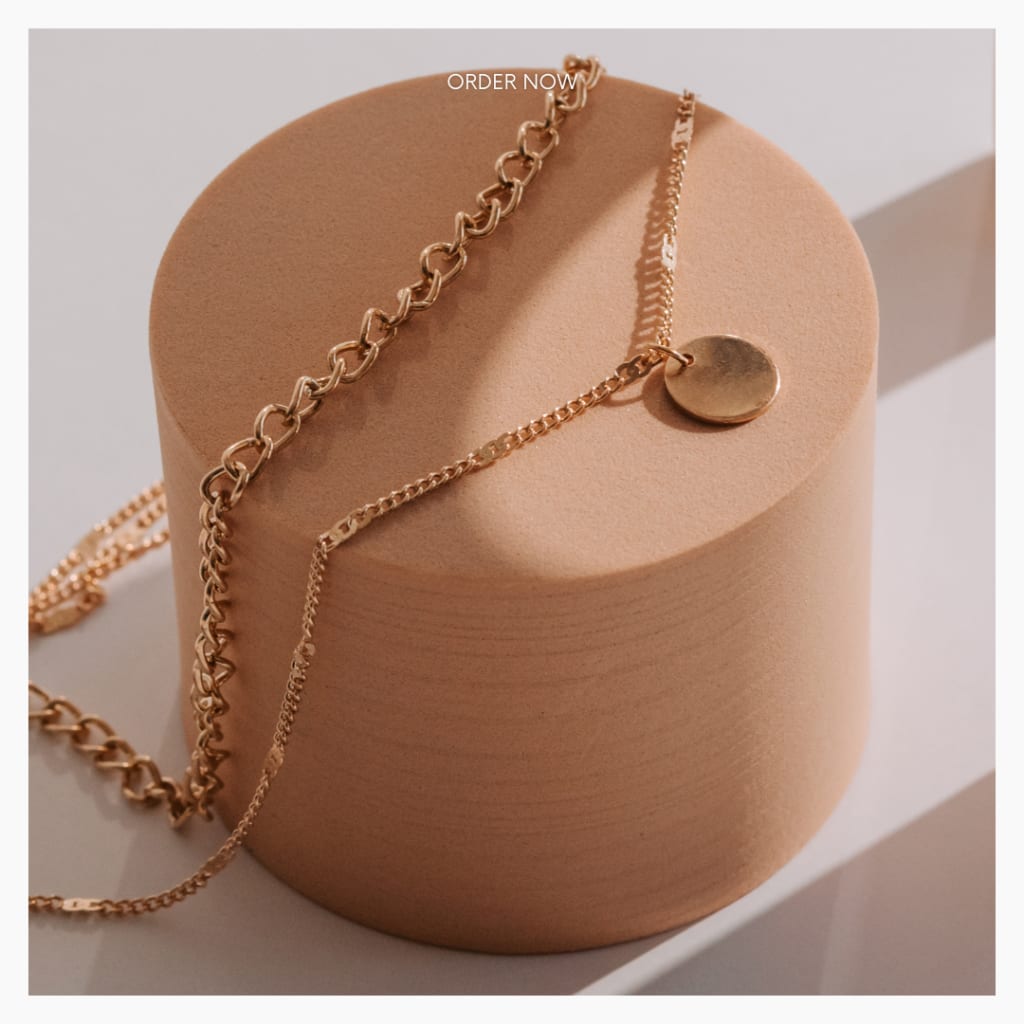
In the realm of fashion and personal adornment, jewelry stands as a timeless testament to human creativity and the desire for beauty. From ancient civilizations to modern-day artisans, the craftsmanship of exquisite jewelry has evolved, encompassing a myriad of styles, techniques, and materials. This intricate art form is not merely about creating accessories; it’s about crafting pieces that tell stories, capture emotions, and celebrate life’s most precious moments.
The Historical Significance of Jewelry
Jewelry has been an integral part of human culture for thousands of years. The earliest known pieces date back to around 100,000 years ago, made from simple materials such as shells and bones. As societies developed, so did the sophistication of their jewelry, reflecting technological advancements and cultural shifts.
In ancient Egypt, jewelry was a symbol of power and status. Pharaohs and nobles adorned themselves with elaborate pieces made from gold, semi-precious stones, and glass beads. Each piece held significant meaning, often associated with gods, protection, and the afterlife. The intricate craftsmanship of these items demonstrates the Egyptians’ advanced metalworking skills and their deep appreciation for beauty and symbolism.
Similarly, in ancient Greece and Rome, jewelry was not only a form of personal adornment but also a display of wealth and social status. The Greeks were known for their delicate gold work, often depicting mythological scenes and natural motifs. Roman jewelry, on the other hand, was more opulent, featuring large gemstones and intricate designs that showcased the wearer’s affluence.
The Renaissance of Jewelry Design
The Renaissance period marked a significant transformation in jewelry design, influenced by the revival of classical art and the rise of new artistic techniques. This era saw the emergence of highly skilled goldsmiths and jewelers who created masterpieces that combined functionality with breathtaking beauty.
Italian jewelers, particularly those from Florence and Venice, were renowned for their craftsmanship. They experimented with enameling, filigree, and the use of colored gemstones, producing pieces that were not only decorative but also served as miniature works of art. The Medici family, patrons of the arts, played a crucial role in promoting jewelry as a form of artistic expression.
In the courts of Europe, jewelry became an essential part of courtly attire. Kings and queens commissioned elaborate pieces to demonstrate their power and prestige. The French court, under the reign of Louis XIV, saw the creation of some of the most extravagant jewelry of the time, characterized by its lavish use of diamonds and other precious stones.
The Victorian Era and the Birth of Sentimental Jewelry
The Victorian era introduced a new dimension to jewelry design: sentimentality. Queen Victoria’s love for jewelry had a profound impact on fashion trends. Pieces from this period often featured romantic motifs such as hearts, flowers, and bows, and were used to commemorate special occasions and relationships.
Mourning jewelry became particularly popular after the death of Prince Albert, Queen Victoria’s beloved husband. These pieces, typically made from black materials such as jet or onyx, were worn to honor the memory of the deceased. Hair jewelry, incorporating strands of a loved one’s hair into the design, also became a common practice, adding a deeply personal element to the pieces.
Art Nouveau and Art Deco: The Pinnacles of Jewelry Design
The late 19th and early 20th centuries witnessed the rise of two influential movements in jewelry design: Art Nouveau and Art Deco. Each brought a distinct aesthetic and approach to craftsmanship, leaving a lasting legacy in the world of jewelry.
Art Nouveau, emerging in the late 1800s, was characterized by its organic forms and flowing lines. Inspired by nature, artists like René Lalique and Louis Comfort Tiffany created pieces that featured intricate enamel work, delicate glass, and unconventional materials. The emphasis was on artistry and creativity, breaking away from the rigid forms of the past.
In contrast, the Art Deco movement of the 1920s and 1930s embraced modernity and geometric forms. Influenced by the industrial age and the advent of new materials, Art Deco jewelry showcased bold designs, sharp lines, and vibrant colors. Platinum became the metal of choice, providing a sleek backdrop for the dazzling array of diamonds and colored gemstones. Jewelers such as Cartier, Van Cleef & Arpels, and Boucheron became synonymous with this glamorous and sophisticated style.
The Modern Era: Innovation and Individuality
In the contemporary world, jewelry design continues to evolve, reflecting changes in technology, fashion, and societal values. The 20th and 21st centuries have seen a democratization of jewelry, with designers experimenting with a wide range of materials and techniques.
One of the most significant developments in modern jewelry is the rise of custom and bespoke pieces. Today, many individuals seek out unique, personalized jewelry that reflects their own style and story. This trend has given rise to a new generation of artisans who combine traditional craftsmanship with innovative design concepts.
Technology has also played a crucial role in shaping modern jewelry. Computer-aided design (CAD) allows for precise and intricate designs that were previously unimaginable. 3D printing has opened up new possibilities for creating complex structures and experimenting with unconventional materials. These advancements have enabled designers to push the boundaries of creativity and craftsmanship.
Ethical and sustainable practices have become increasingly important in the jewelry industry. Consumers are now more aware of the environmental and social impact of their purchases, leading to a growing demand for responsibly sourced materials and fair trade practices. Many jewelers are committed to using recycled metals, conflict-free diamonds, and ethically sourced gemstones, ensuring that their creations are not only beautiful but also sustainable.
The Art of Craftsmanship
At the heart of every exquisite piece of jewelry lies the craftsmanship that brings it to life. The process of creating a piece of jewelry involves multiple stages, each requiring a high level of skill and precision.
The journey begins with the design phase, where the jeweler conceptualizes the piece. This can involve sketching, creating detailed drawings, or using CAD software to visualize the design. Once the design is finalized, the next step is selecting the materials. This includes choosing the metal, gemstones, and any other components that will be used.
The actual creation of the piece involves a variety of techniques, depending on the complexity of the design. Metalworking is a fundamental skill, encompassing processes such as casting, soldering, and engraving. Stone setting is another critical aspect, requiring the jeweler to secure gemstones in place with precision and care.
For more intricate designs, techniques such as enameling, filigree, and granulation may be used. Enameling involves fusing powdered glass to metal to create colorful, glossy surfaces. Filigree is the art of creating delicate, lace-like patterns from thin wires of metal. Granulation involves applying tiny beads of metal to a surface to create textured patterns.
Polishing and finishing are the final steps in the process, ensuring that the piece is flawless and ready to be worn. This stage requires meticulous attention to detail, as even the smallest imperfection can affect the overall appearance of the piece.
The Emotional Connection to Jewelry
What sets exquisite jewelry apart is not just its physical beauty, but the emotional connection it creates. Jewelry has the power to capture and preserve memories, making it a cherished heirloom that is passed down through generations.
Engagement rings and wedding bands are prime examples of jewelry that hold deep emotional significance. These pieces symbolize love, commitment, and the beginning of a new chapter in life. The tradition of giving and receiving these rings dates back centuries, and their timeless design continues to be a symbol of enduring love.
Family heirlooms, such as a grandmother’s necklace or a father’s watch, carry stories and memories that transcend generations. These pieces serve as tangible links to the past, connecting us to our heritage and the loved ones who came before us.
Jewelry also plays a significant role in cultural and religious traditions. In many cultures, jewelry is worn during important ceremonies and rituals, symbolizing prosperity, protection, and spiritual significance. For example, in Indian culture, jewelry is an essential part of weddings and festivals, often passed down as part of a family’s legacy.
The Future of Exquisite Jewelry
As we look to the future, the world of exquisite jewelry continues to evolve, driven by innovation, sustainability, and a desire for individuality. Designers are constantly pushing the boundaries of creativity, exploring new materials, and reimagining traditional techniques.
One exciting trend is the use of unconventional materials such as wood, ceramics, and even recycled plastic. These materials offer a fresh perspective on jewelry design, challenging traditional notions of luxury and beauty. By incorporating sustainable and eco-friendly materials, designers are also addressing the growing demand for environmentally conscious jewelry.
The rise of digital and virtual jewelry is another fascinating development. With advancements in augmented reality (AR) and virtual reality (VR), consumers can now experience and customize jewelry in a virtual space before making a purchase. This technology offers a new level of personalization and engagement, allowing individuals to see how a piece will look on them and make adjustments to suit their preferences.
Collaborations between traditional jewelers and contemporary artists are also becoming more common, resulting in unique and innovative pieces that blend different artistic disciplines. These collaborations push the boundaries of jewelry design, creating pieces that are not only wearable but also collectible works of art.
Conclusion: A Celebration of Beauty and Craftsmanship
Exquisite jewelry is a celebration of beauty, craftsmanship, and the human spirit. It transcends time and culture, connecting us to our past and future. Each piece is a testament to the skill and creativity of the artisans who bring it to life, as well as the emotions and memories it holds.
From ancient civilizations to modern-day innovators, the art of jewelry continues to captivate and inspire. As we move forward, the tradition of exquisite jewelry will undoubtedly continue to evolve, reflecting the ever-changing world while remaining a timeless expression of elegance and craftsmanship.
About the Creator
Valentino Garavani
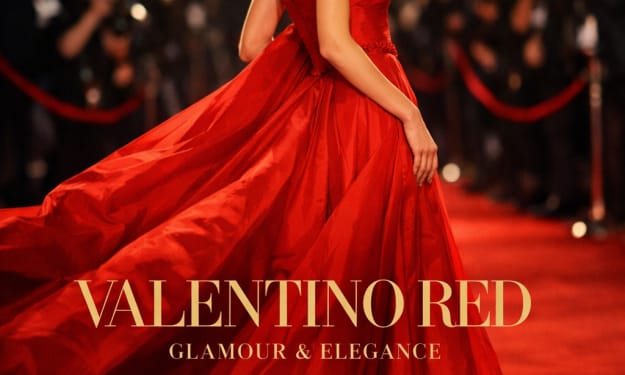
In the golden age of couture, when fashion was less about speed and more about soul, one name quietly rose to become synonymous with timeless elegance: Valentino Garavani. To speak of Valentino is to speak of romance, discipline, beauty, and a lifelong devotion to the art of dressing the world’s most admired women.
By S.A Charlesabout 18 hours ago in Art



Comments
There are no comments for this story
Be the first to respond and start the conversation.