
Eras Font: A Timeless Typeface for Modern Design
Eras Font

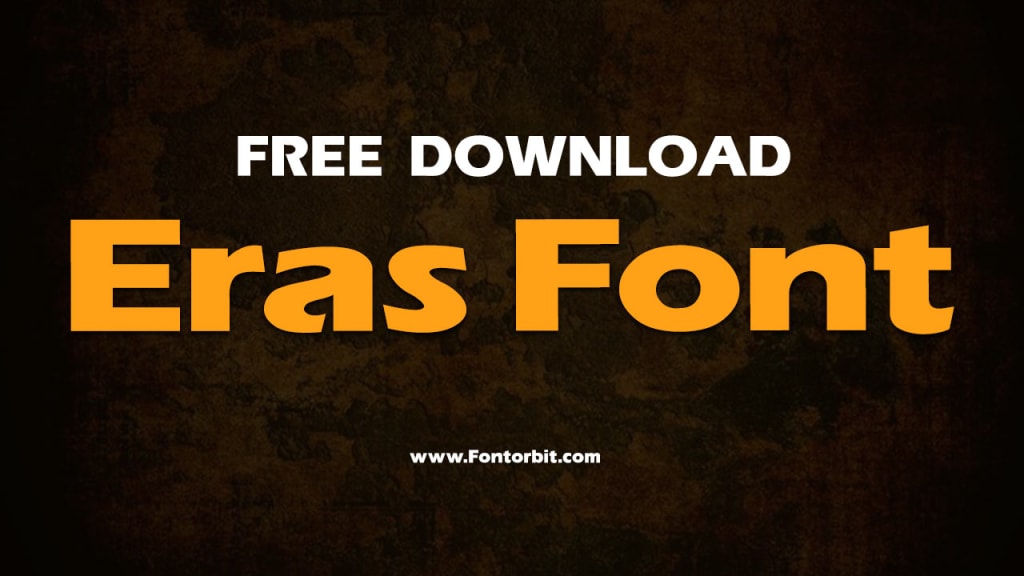
The Eras font is a versatile and elegant typeface that has maintained its popularity in design circles since its creation.
With its distinctive features and adaptability, Eras has found a place in both digital and print media. This article explores the origins, features, uses, and appeal of the Eras font, concluding with its significance in contemporary design.
Origins of Eras Font
The Eras font family was designed by Albert Boton and Albert Hollenstein and was released by the International Typeface Corporation (ITC) in 1976. The font stands out due to its humanist design and subtle geometric influences. Its clean lines and slight variations in stroke weights give it a unique character that bridges the gap between traditional and modern typefaces.
Distinctive Features
Eras is characterized by its:
Subtle Rounded Ends: Unlike many sans-serif fonts, Eras incorporates soft, rounded edges that lend it a friendly and approachable appearance.
Slightly Slanted Design: The font has a subtle forward tilt, which adds a sense of motion and dynamism.
Wide Letterforms: Eras features wide and open letterforms, enhancing readability and creating a sense of space.
Multiple Weights: The font family includes several weights, from Light to Ultra Bold, offering versatility for various design needs.
Applications of Eras Font
The Eras font is suitable for a wide range of applications, including:
Branding and Logos: Its modern yet timeless aesthetic makes it ideal for corporate branding.
Signage and Posters: The font's readability ensures that it stands out in large-scale designs.
Web and Digital Design: Its clean lines and adaptability make it a favorite for websites and digital interfaces.
Editorial and Print Media: From magazines to brochures, Eras adds a touch of sophistication.
Why Designers Love Eras
Designers appreciate Eras for its balance between functionality and style. Its humanist qualities make it approachable, while its geometric elements add a modern edge. This combination allows the font to work seamlessly across various design genres, from formal to casual.
Conclusion
The Eras font has stood the test of time due to its unique characteristics and adaptability. Its ability to blend traditional and modern design elements makes it a valuable tool for designers seeking a versatile typeface. Whether used in branding, print, or digital media, Eras continues to make a lasting impression in the world of typography.
FAQs about Eras Font
1. Who designed the Eras font?
The Eras font was designed by Albert Boton and Albert Hollenstein and released by the International Typeface Corporation in 1976.
2. What makes Eras font unique?
Eras stands out due to its subtle rounded ends, slightly slanted design, wide letterforms, and humanist characteristics.
3. Where can I use the Eras font?
The font is versatile and can be used in branding, signage, digital design, editorial work, and more.
4. Is the Eras font suitable for digital media?
Yes, its clean lines and readability make it an excellent choice for websites and other digital platforms.
5. Does Eras come in multiple weights?
Yes, the font family includes several weights, ranging from Light to Ultra Bold, to suit various design needs.
6. Can I pair Eras with other fonts?
Absolutely. Eras pairs well with serif fonts or simpler sans-serif typefaces, creating a balanced and cohesive design.
7. Is Eras a free font?
Eras is not a free font; it is a licensed typeface available for purchase from various font distributors.
The Eras font's enduring appeal lies in its ability to adapt to changing design trends while maintaining its core characteristics. It is a testament to the power of thoughtful type design in shaping visual communication.
About the Creator
Jillur Rahaman
Jillur Rahman is the creative mind behind FontOrbit. This website is a vibrant hub for typography enthusiasts. With a CSE degree and over a decade of experience in web design & development, Jillur got passion for sharing knowledge.
Keep reading
More stories from Jillur Rahaman and writers in Art and other communities.
Lamborghini Font: A Symbol of Luxury and Performance
The Lamborghini brand is synonymous with luxury, speed, and high-performance vehicles. Apart from its roaring engines and sleek designs, Lamborghini's visual identity plays a significant role in its global appeal. One key element of this identity is the iconic Lamborghini font, which reflects the brand's legacy and prestige. This article delves into the history, design, and significance of the Lamborghini font, providing a closer look at how typography complements the world of high-end automobiles.
By Jillur Rahamanabout a year ago in Art
Why John LoPinto Values Intentional Travel Over Speed and Volume
In a world that celebrates movement and accumulation, travel has increasingly become about speed and volume. More destinations, tighter itineraries, and constant motion are often seen as markers of experience. John LoPinto takes a different approach. He values intentional travel over rapid consumption, believing that depth of experience matters far more than distance covered. For him, travel is most meaningful when it creates understanding, not just memories.
By John LoPinto5 days ago in Art

Comments
There are no comments for this story
Be the first to respond and start the conversation.