
Embracing the Digital Canvas: A Modern Artist’s Perspective
Reflection from a digital artist

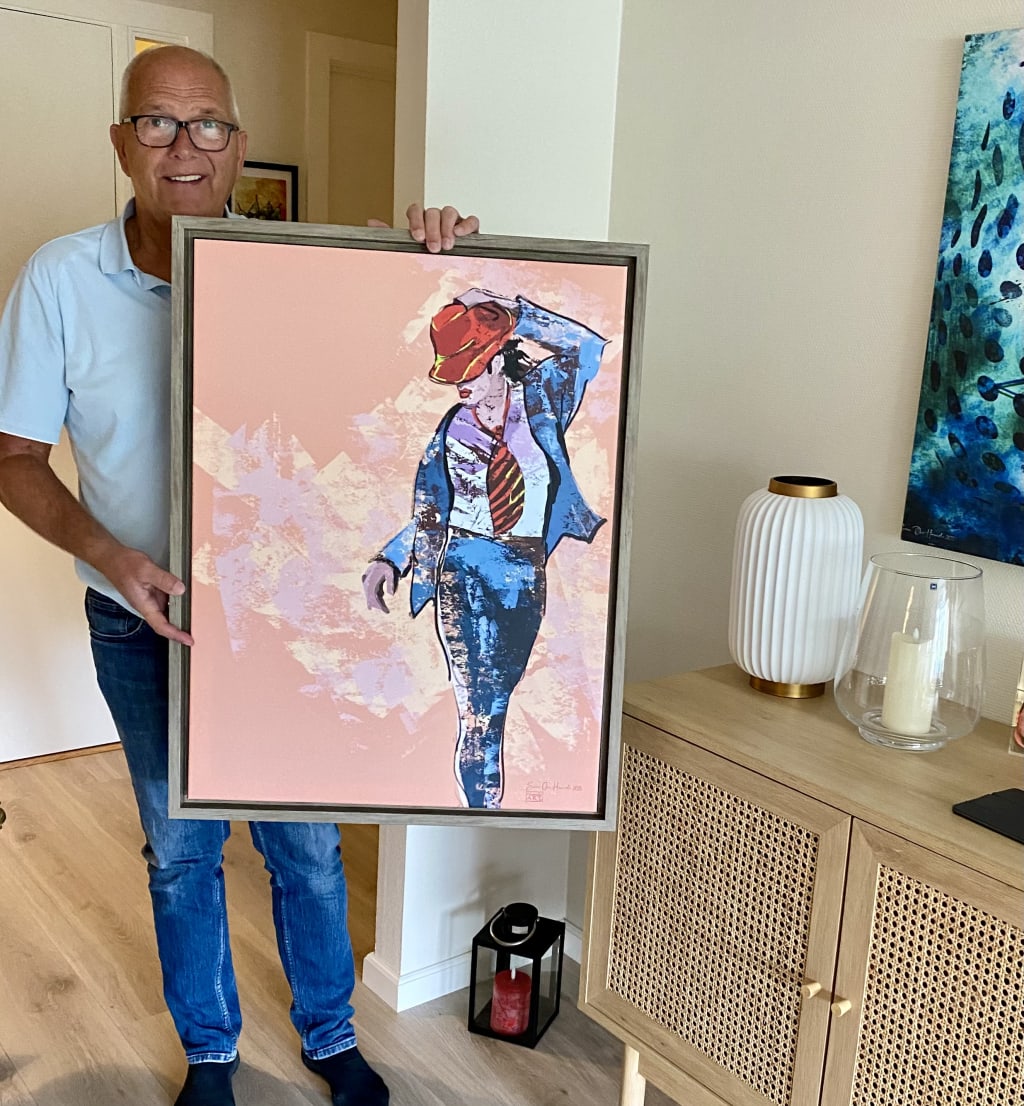
In today’s world, technology plays an increasingly significant role in how we approach almost every aspect of life, including the way we create art. From buying groceries and booking flights to creating masterpieces, we are constantly pressured to adopt, adapt, and change our methods.
When it comes to art, we now distinguish between traditional art and digital art. Many might immediately associate digital art with NFTs, but digital art and digital prints are now recognized alongside traditional graphic prints.
Take, for instance, a piece by Nina Due, currently available on Fineart.no.
So, is digital art “real” art? Whenever something new takes on a digital form, it is met with a certain level of resistance. This is particularly true among enthusiasts of traditional art, often due to a lack of knowledge about what digital art has to offer. Nina Due’s piece, Leser, is proof that digital art can indeed be real art.
Digital Art vs. Traditional Art
Although they may seem vastly different in terms of creation methods and final appearance, traditional and digital art techniques share many similarities. Traditional painting requires physical tools and materials, while digital artists use technology to replicate or expand on these effects to create something new and innovative.
It’s a misconception that digital artwork requires less skill or time than traditional methods. The primary difference lies in the mindset required for the process.
Traditional Art
Traditional art has its own set of advantages and drawbacks compared to digital media. Many believe the physical connection involved in traditional methods allows the artist to infuse more of their spirit into the work, offering viewers a tactile and unique experience. Unlike digital creations, traditional art pieces are one-of-a-kind, which often gives them higher perceived value, both economically and spiritually.
Traditional media, such as sculpture, painting, sewing, and printmaking, encourage hands-on experimentation and creativity. Artists working with traditional materials often face challenges like irreversible mistakes, which may seem like a disadvantage but can lead to unexpected and exciting solutions.
In the case of digital prints, they are considered original when they are created as standalone digital works, rather than reproductions of existing physical artwork.
Digital Art
Just like traditional art forms, digital art has its pros and cons. Many of the advantages of digital art are tied to accessibility, convenience, and experimentation. Digital art tools allow you to combine the effects of multiple physical media into a single device. While drawing tablets or software may have a high initial cost, they pay off over time.
Digital technologies are also more practical and portable. You can carry an entire art toolkit with you almost anywhere and always be ready to create. Additionally, you can easily replicate and share your creations. However, these technologies can feel unfamiliar to many artists, and the learning process may take some time.
Digital art is also more forgiving than traditional art. Mistakes can be easily corrected with a single click. You can erase and redraw elements until you perfect them. Working with digital media gives you more freedom to explore and experiment.
You can try out different techniques and styles, and if they don’t work, you haven’t wasted any materials—you can simply start over. The possibilities with digital art are limitless, which is fantastic but can also lead to creative paralysis. With so many options, it can be overwhelming and hard to know where to start.
Some purists argue that this ease of use makes digital art too simple, but this is not true. The tools require unique and sometimes challenging skills and techniques.
Creating high-quality digital art requires the same level of skill, talent, originality, knowledge, and effort as any traditional artwork. Every artist must master their tools, regardless of the medium. Therefore, it is fair to say that digital art can indeed be called “real” art.
If digital art refers to works with artistic expression rather than commercial designs such as illustrations, graphic design, or website graphics, the same principles apply to digital artists as to traditional ones.
Art, whether traditional or digital, is generally not profitable until you are well-established and represented by galleries. Even then, you will need to pay your agents and galleries a share of the profits. Everyone takes a piece of your talent.
Most other artworks fall into the commercial realm and can be treated as commodities. You are offering a product and must approach it as a business. Keep that in mind.
About the Creator
Svein Ove Hareide
Digital writer & artist at hareideart.com – sharing glimpses of life, brain tricks & insights. Focused on staying sharp, creative & healthy.
Keep reading
More stories from Svein Ove Hareide and writers in Art and other communities.
What Voice Cloning Technology Means for Creators and Digital Identity
The rise of artificial intelligence has reshaped the creative landscape in countless ways, from AI-generated visual art to automated music composition, and one of the most intriguing frontiers today is voice cloning. With tools that let users clone your voice using only a short sample of speech, creators and digital communicators are discovering new ways to produce audio content that feels natural and expressive.
By aliyashahzadi2 days ago in Art
The Difference Between Decorative Sculptures and Landmark Sculptures
In many outdoor projects, sculptures are often grouped under a single category. However, in real-world applications, decorative sculptures and landmark sculptures serve very different purposes. Treating them as interchangeable elements can result in design conflicts, inefficient use of budget, and weakened spatial impact. For anyone involved in outdoor space planning, understanding the distinction between these two types of sculptures is essential.
By Shenzhen Ruiheng Crafts5 days ago in Art



Comments
There are no comments for this story
Be the first to respond and start the conversation.