
El Greco: Visionary Artistry and the Influence of Vision Problems
El Greco's Work And Vision
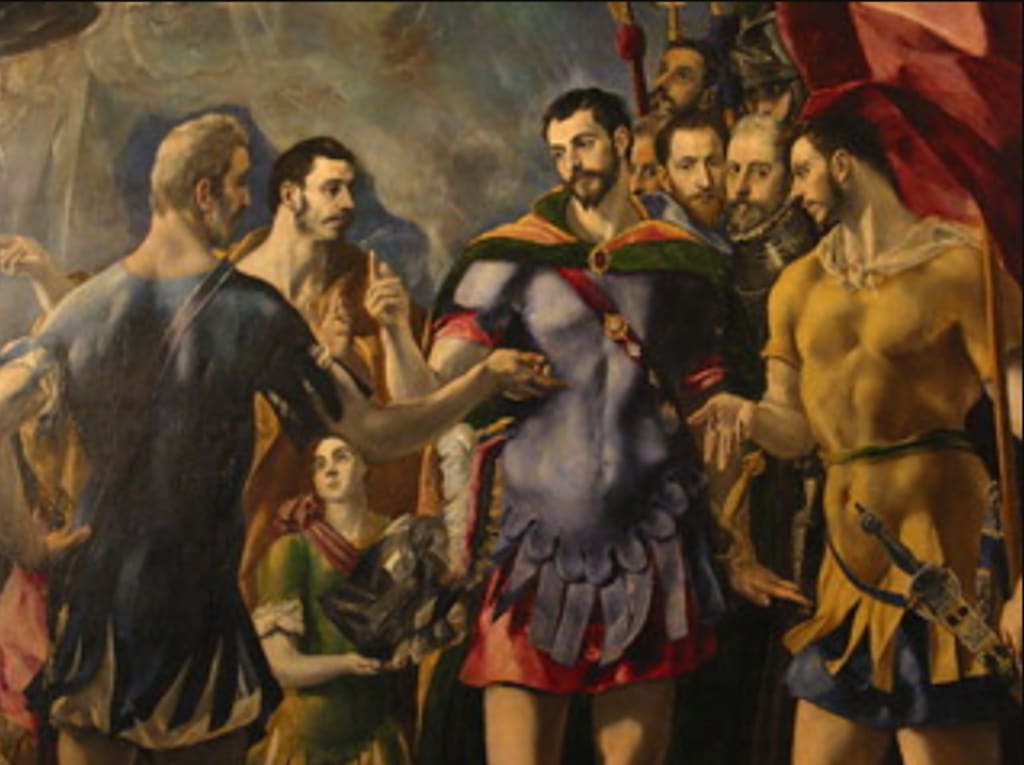
Doménikos Theotokópoulos, better known as El Greco, was a Greek-born painter who became one of the most celebrated figures of the Spanish Renaissance. Renowned for his distinctive style and visionary approach to art, El Greco's paintings are characterized by their bold use of color, elongated figures, and ethereal compositions. However, behind his innovative techniques lay a complex relationship with vision problems that profoundly influenced his artistic vision. This article explores the life of El Greco, his struggles with vision impairment, and the ways in which his art reflected his unique perception of the world.
Early Life and Training
El Greco was born in Crete in 1541 and received his early artistic training in the Byzantine tradition. He later traveled to Venice, where he studied under the influential painter Titian and absorbed the techniques of the Venetian Renaissance. It was during this formative period that El Greco's distinctive style began to emerge, marked by his bold use of color and dynamic compositions.
Vision Problems and Artistic Vision
Throughout his life, El Greco grappled with vision problems that affected his perception of the world around him. While the exact nature of his vision impairment remains uncertain, scholars speculate that he may have suffered from astigmatism or other visual anomalies. These issues likely influenced the way El Greco perceived light, color, and form, leading to the development of his unique artistic style.
Use of Color
One of the most striking aspects of El Greco's paintings is his bold and expressive use of color. He employed vibrant hues and dramatic contrasts to create dynamic and emotionally charged compositions. Scholars believe that El Greco's vision problems may have heightened his sensitivity to color, allowing him to perceive subtle nuances and contrasts that eluded others. As a result, his paintings are imbued with a luminous quality that sets them apart from the work of his contemporaries.
Elongated Figures and Distorted Proportions
Another hallmark of El Greco's style is his use of elongated figures and distorted proportions. His figures often appear stretched and exaggerated, with elongated limbs and elongated necks. This distortion of form may have been influenced by his vision problems, which could have affected his perception of spatial relationships and proportions. Rather than adhering to strict anatomical accuracy, El Greco prioritized expressive gesture and emotional impact, resulting in compositions that are both dynamic and otherworldly.
Ethereal Compositions and Spiritual Symbolism
El Greco's vision problems also influenced the spiritual and mystical aspects of his art. His paintings often depict religious subjects imbued with a sense of otherworldly transcendence. Figures float ethereally against abstract backgrounds, bathed in divine light and surrounded by swirling clouds. These compositions evoke a sense of spiritual ecstasy and transcendence, reflecting El Greco's own deeply held religious beliefs and his personal quest for divine truth.
The Burial of the Count of Orgaz" (1586-1588) - This monumental masterpiece depicts the miraculous burial of the Spanish nobleman Don Gonzalo Ruíz de Toledo, surrounded by saints and angels.
"The Assumption of the Virgin" (1577-1579) - A captivating portrayal of the Virgin Mary ascending into heaven, surrounded by a host of angels and accompanied by a group of apostles.
"Christ Healing the Blind" (c. 1570) - This painting illustrates the biblical story of Jesus healing a blind man, emphasizing the miraculous power of faith and divine intervention.
"The Adoration of the Shepherds" (c. 1612-1614) - An intimate depiction of the shepherds paying homage to the newborn Christ child, illuminated by a heavenly light.
"The Opening of the Fifth Seal" (c. 1608-1614) - Also known as "The Vision of Saint John," this dramatic painting portrays a scene from the Book of Revelation, with martyrs pleading for divine justice.
"The Disrobing of Christ" (c. 1577-1579) - A poignant representation of the moment when Jesus is stripped of his garments before his crucifixion, highlighting themes of suffering and redemption.
"The Annunciation" (c. 1596-1600) - A serene depiction of the angel Gabriel announcing to the Virgin Mary that she will conceive and bear the Son of God, a pivotal moment in Christian theology.
"The Resurrection" (c. 1597-1600) - A powerful portrayal of Christ emerging triumphantly from the tomb, symbolizing the victory of life over death and the promise of eternal salvation.
"Saint Peter in Penitence" (c. 1610-1614) - A somber depiction of the apostle Peter mourning his denial of Jesus, conveying themes of repentance and forgiveness.
"The Martyrdom of Saint Maurice" (c. 1580-1582) - This dynamic painting depicts the martyrdom of Saint Maurice and his companions, who chose death over renouncing their Christian faith.
Legacy and Influence
Despite his struggles with vision problems, El Greco's artistic vision remains as powerful and influential as ever. His innovative techniques and expressive style paved the way for future generations of artists, inspiring movements such as Expressionism and Surrealism. Today, his paintings are celebrated for their emotional intensity, spiritual depth, and visionary brilliance, continuing to captivate audiences around the world.
In conclusion, El Greco's vision problems played a central role in shaping his artistic vision and influencing the development of his distinctive style. His paintings are a testament to the power of creativity and resilience in the face of adversity, demonstrating how personal struggles can be transformed into works of timeless beauty and enduring significance.
About the Creator
Janie
Passionate about unraveling the intricate tapestry of art history and contemporary artistic expressions. Beyond brushstrokes and colors, into the mental and physical struggles of artists.
Impressive Artwork by Odilon Redon
French symbolist artist Odilon Redon was famous for his drawings in the 1880s. The artist’s artworks were mentioned in the popular 1884 novel “A Rebours,” or “Against the Grain,” by Joris-Karl Hysmans. His later artworks were created in oils and pastels. He developed an interest in Hinduism and Buddhism, and this interest in mysticism is reflected in his works of art.
By Rasma Raisters4 days ago in Art


Comments