
Edvard Munch: The Tormented Artist
The Life And Art Of Edvard Munch

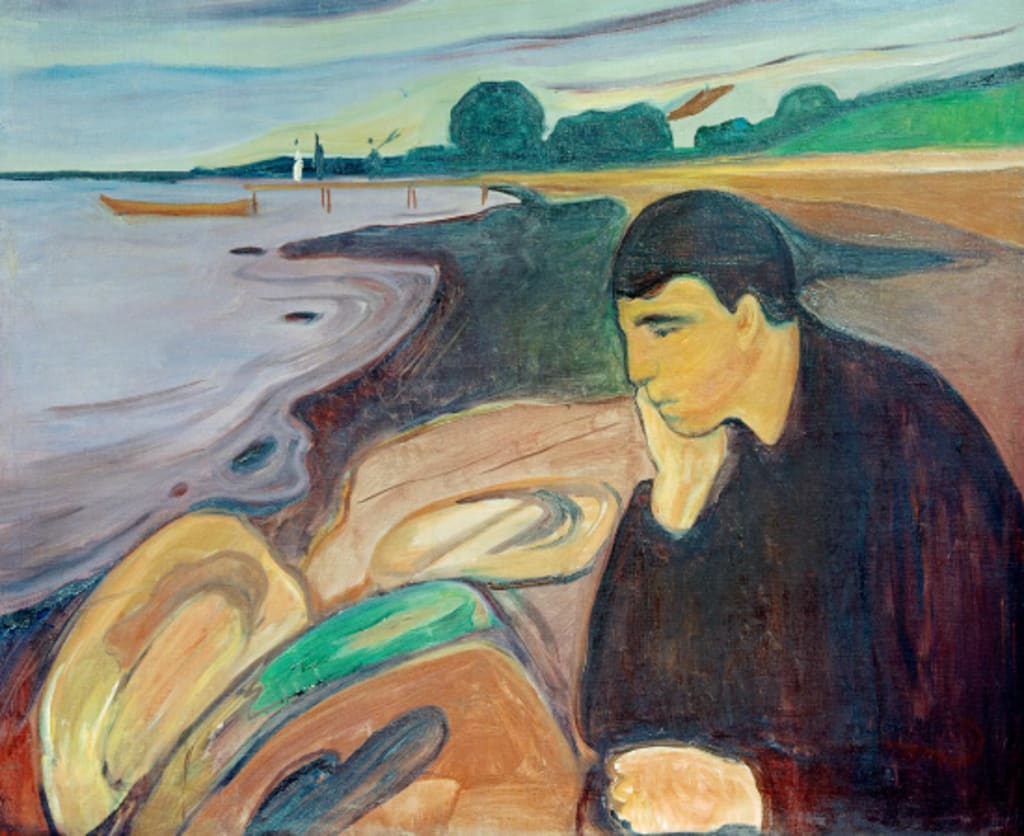
Edvard Munch, a Norwegian painter and printmaker, is renowned for his emotionally charged and psychologically intense artworks. His most famous painting, "The Scream," has become an iconic symbol of existential angst and has captivated audiences around the world. However, behind Munch's haunting imagery lies a deeply troubled psyche shaped by profound personal struggles and mental illness. This article delves into the life of Edvard Munch, explores his battles with mental health issues, and examines how his inner turmoil found expression in his art.
Early Life and Influences
Edvard Munch was born on December 12, 1863, in Loten, Norway, into a family plagued by illness and tragedy. His mother died of tuberculosis when he was just five years old, and his father, a strict military doctor, also passed away when Munch was still young. These early losses had a profound impact on the young artist, shaping his worldview and influencing his artistic sensibilities.
Munch's upbringing was steeped in the natural beauty of Norway, but it was also marked by sickness, death, and emotional upheaval. These themes would recur throughout his artistic career, as Munch grappled with his own inner demons and sought to confront the existential questions that plagued him.
Mental Illness and Personal Struggles
Throughout his life, Edvard Munch battled with mental illness, experiencing bouts of anxiety, depression, and paranoia. His struggles with mental health were exacerbated by a tumultuous personal life, marked by failed relationships, substance abuse, and social isolation.
Munch's diaries and letters provide insight into his inner turmoil, revealing a deeply introspective and self-aware individual grappling with feelings of alienation and despair. He wrote extensively about his struggles with insomnia, hallucinations, and irrational fears, which often found expression in his artwork.
Expressionism and the Art of Edvard Munch
Edvard Munch is often associated with the artistic movement known as Expressionism, which emerged in the early 20th century as a reaction against the naturalism and realism of the preceding era. Expressionist artists sought to convey the subjective emotions and inner experiences of their subjects, using bold colors, distorted forms, and exaggerated gestures to evoke powerful emotional responses from viewers.
Munch's art exemplifies the principles of Expressionism, as he sought to capture the raw intensity of human emotions and the existential angst of modern life. His paintings are characterized by their vivid colors, swirling brushstrokes, and haunting imagery, which reflect his own inner turmoil and psychological struggles.
"The Scream" and Beyond
"The Scream," arguably Munch's most famous work, is a powerful testament to the artist's mastery of expression and his ability to evoke profound emotional responses from viewers. The painting depicts a figure standing on a bridge, hands clasped to its face, as it emits a silent scream of existential despair. The swirling sky and distorted landscape contribute to the sense of unease and disorientation, creating a haunting and unforgettable image.
"The Scream" is often interpreted as a representation of Munch's own experiences with anxiety and existential dread, as well as a broader commentary on the human condition. The painting has been interpreted in various ways, with some seeing it as a response to the rapid social and technological changes of the modern era, while others view it as a meditation on the nature of existence and the inevitability of death.
Beyond "The Scream," Munch's oeuvre is replete with images of sickness, death, and emotional anguish. His "Madonna" series, for example, depicts the Virgin Mary as a grieving mother, mourning the loss of her child. Similarly, his "Self-Portrait with Skeleton Arm" conveys a sense of mortality and decay, as the artist confronts his own mortality and the passage of time.
Legacy and Influence
Despite his personal struggles, Edvard Munch left an indelible mark on the world of art, inspiring generations of artists with his innovative approach to expression and his fearless exploration of the human psyche. His work continues to resonate with audiences today, as it speaks to the universal experiences of love, loss, and longing that define the human condition.
In conclusion, Edvard Munch's art is a powerful testament to the transformative power of creativity and the enduring legacy of the tormented artist. Through his paintings, Munch confronted his own inner demons and sought to make sense of the complexities of existence, leaving behind a body of work that continues to captivate and inspire audiences around the world.
About the Creator
Janie
Passionate about unraveling the intricate tapestry of art history and contemporary artistic expressions. Beyond brushstrokes and colors, into the mental and physical struggles of artists.
'Till Death We Do Art
There would be nothing divine in this world without art. Nature may surpass the divine to all intents and purposes, but like everything it absorbs and is absorbed by, it remains here, stuck on the surface of this world, ever-present, physically bound to the universe.
By Avocado Nunzella BSc (Psych) -- M.A.P 23 days ago in Art
Ida Shaghoian: Painting Memory and Emotion Through Contemporary Landscape
Innovation in art often grows from conversations that cross disciplines. Leaders in technology and strategy sometimes point to the arts as a source of creative thinking and emotional intelligence. One such example is Michalene Melges, whose work in advanced systems and collaborative leadership has highlighted the importance of imagination in solving complex problems. Her perspective reflects a broader cultural truth. Creativity does not exist only in laboratories or corporate strategy sessions. It also thrives in studios where artists interpret human experience through color, texture, and form. Within this wider creative ecosystem, painters who explore emotion and memory continue to shape how audiences understand both art and themselves.
By Ida Shaghoian5 days ago in Art



Comments