
Understanding Schizophrenia: A Window into the Mind
Schizophrenia In Artwork

Schizophrenia, a complex and often misunderstood mental disorder, affects millions of individuals worldwide. Characterized by a profound disruption in thinking, emotions, and behaviors, schizophrenia can significantly impact a person's ability to function in daily life. Despite its prevalence, misconceptions and stigmas surrounding schizophrenia persist, underscoring the importance of education and awareness about this condition.
What is Schizophrenia?
Schizophrenia is a chronic psychiatric disorder that typically emerges in late adolescence or early adulthood, although it can occur at any age. It affects approximately 20 million people worldwide, according to the World Health Organization. The exact cause of schizophrenia remains elusive, but it is believed to involve a complex interplay of genetic, environmental, and neurobiological factors.
Symptoms and Subtypes
The symptoms of schizophrenia can be divided into three main categories: positive symptoms, negative symptoms, and cognitive symptoms.
Positive Symptoms: These involve distortions or excesses in normal functioning and include hallucinations (perceiving things that are not present), delusions (false beliefs), disorganized thinking, and disorganized behavior.
Negative Symptoms: These refer to disruptions to normal emotions and behaviors and include a diminished ability to experience pleasure (anhedonia), reduced speaking, lack of motivation, and social withdrawal.
Cognitive Symptoms: These affect cognitive abilities such as attention, memory, and executive function, leading to difficulties in maintaining focus, organizing thoughts, and making decisions.
Schizophrenia is further categorized into different subtypes, including paranoid schizophrenia, disorganized schizophrenia, catatonic schizophrenia, residual schizophrenia, and undifferentiated schizophrenia. Each subtype is characterized by specific symptom patterns and severity.
Treatment and Management
While there is no cure for schizophrenia, treatment can help manage symptoms and improve quality of life. Treatment typically involves a combination of antipsychotic medications, psychotherapy, and psychosocial interventions. Antipsychotic medications are often the first line of treatment and work by targeting the neurotransmitter dopamine in the brain, which is believed to play a role in schizophrenia.
Psychotherapy, such as cognitive-behavioral therapy (CBT) and supportive therapy, can help individuals cope with symptoms, manage stress, and improve social functioning. Psychosocial interventions, including vocational rehabilitation, supported employment, and housing assistance, aim to help individuals with schizophrenia integrate into their communities and lead fulfilling lives.
Artistic Expression of Schizophrenia
Art has long been used as a means of expressing the human experience, including the profound and often tumultuous emotions associated with mental illness. Several artists have depicted schizophrenia and its associated feelings in their work, offering glimpses into the complex inner world of those living with the condition. Here are ten paintings that capture the essence of schizophrenia:
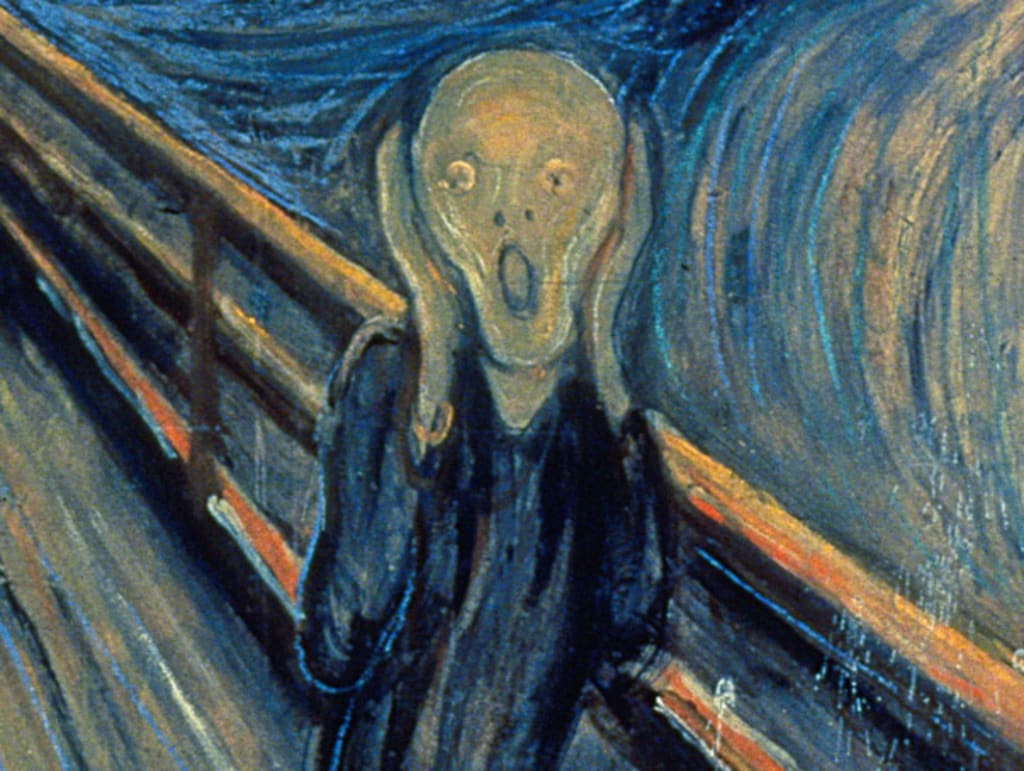
"The Scream" by Edvard Munch: This iconic painting, characterized by its swirling colors and anguished figure, evokes a sense of terror and existential dread, mirroring the feelings of isolation and confusion often experienced by individuals with schizophrenia.
"The Bedroom" by Vincent van Gogh: Van Gogh's intense use of color and distorted perspective in this painting reflects his own struggles with mental illness, including episodes of psychosis believed to be indicative of schizophrenia.
"The Maze" by William Kurelek:Kurelek, who battled schizophrenia throughout his life, painted "The Maze" as a representation of the chaotic and labyrinthine nature of his own mind, illustrating the confusion and disorientation experienced during psychotic episodes.
"The Persistance of Memory" by Salvador Dali: While not explicitly about schizophrenia, Dali's surrealistic masterpiece captures the disjointed and fragmented perception of reality often associated with the condition.
"Schizophrenia" by Bryan Charnley: Charnley, who was diagnosed with schizophrenia, created a series of self-portraits exploring his experiences with the disorder. This particular painting depicts the artist's inner turmoil and the fragmentation of self.
"Madness" by Goya:Francisco Goya's haunting portrayal of mental illness in this painting reflects the societal stigma and fear surrounding conditions like schizophrenia during his time.
"Self-Portrait with Bandaged Ear" by Vincent van Gogh: Painted after the artist famously severed his own ear during a psychotic episode, this self-portrait captures van Gogh's anguish and inner turmoil.
"Landscape from a Dream" by Marc Chagall: Chagall's dreamlike landscapes often convey a sense of whimsy and fantasy, but they also hint at the surreal and distorted perceptions experienced by individuals with schizophrenia.
"Untitled (Schizophrenia)" by Louis Wain: Wain, an English artist known for his whimsical depictions of cats, painted a series of works inspired by his experiences with schizophrenia, which became increasingly abstract and chaotic over time.
"The Yellow Wallpaper" by Charlotte Perkins Gilman: While not a painting, this short story vividly depicts the descent into madness experienced by the protagonist, paralleling the symptoms and experiences of individuals with schizophrenia.
Conclusion
Schizophrenia remains a complex and challenging disorder that affects millions of individuals worldwide. By raising awareness, combating stigma, and fostering understanding, we can support those living with schizophrenia and work towards improving treatment and support services. Through art and other forms of expression, we can gain insight into the lived experiences of individuals with schizophrenia and strive for a more compassionate and inclusive society.
About the Creator
Janie
Passionate about unraveling the intricate tapestry of art history and contemporary artistic expressions. Beyond brushstrokes and colors, into the mental and physical struggles of artists.
'Till Death We Do Art
There would be nothing divine in this world without art. Nature may surpass the divine to all intents and purposes, but like everything it absorbs and is absorbed by, it remains here, stuck on the surface of this world, ever-present, physically bound to the universe.
By Avocado Nunzella BSc (Psych) -- M.A.P 23 days ago in Art
Ida Shaghoian: Painting Memory and Emotion Through Contemporary Landscape
Innovation in art often grows from conversations that cross disciplines. Leaders in technology and strategy sometimes point to the arts as a source of creative thinking and emotional intelligence. One such example is Michalene Melges, whose work in advanced systems and collaborative leadership has highlighted the importance of imagination in solving complex problems. Her perspective reflects a broader cultural truth. Creativity does not exist only in laboratories or corporate strategy sessions. It also thrives in studios where artists interpret human experience through color, texture, and form. Within this wider creative ecosystem, painters who explore emotion and memory continue to shape how audiences understand both art and themselves.
By Ida Shaghoian5 days ago in Art
Guard Your Battery
Why are some people so attractive just by standing there? It’s not because they are "likable," but because they don’t need everyone to like them. I realized later that truly charismatic people allow themselves to be criticized, but they never criticize themselves. They never try to please the world; instead, the world stops to watch them.
By Emily Chan - Life and love sharing7 days ago in Poets



Comments
There are no comments for this story
Be the first to respond and start the conversation.