
Disco and Doodles: How Studio 54 Redefined the Art Scene from Graffiti to Pop
A Melting Pot of Artistic Innovation and Disco Decadence

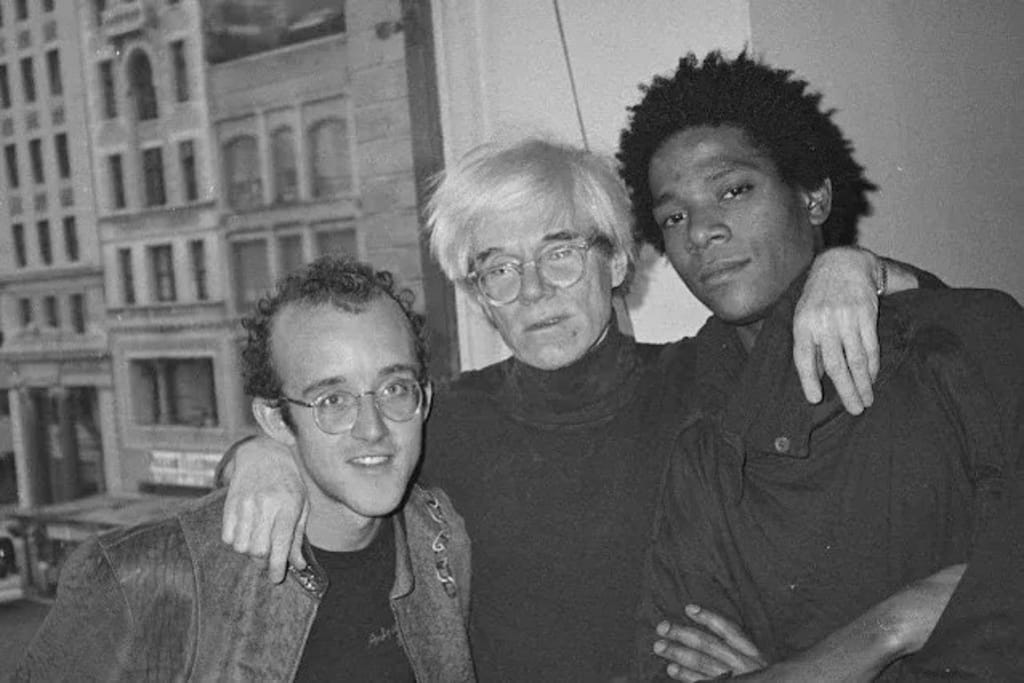
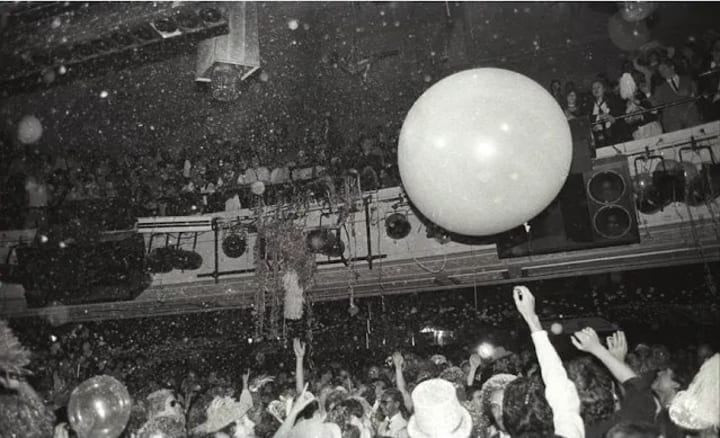
Studio 54, the iconic Manhattan nightclub, epitomized the height of disco decadence during its peak in the late 1970s and early 1980s but also served as a pulsating epicenter for artistic innovation, drawing a mosaic of artists from across the spectrum of street, graffiti, and pop art. Among the glitter and the glam, the venue became a cultural crucible that not only shaped the party scene but profoundly influenced the art movements of its time. This legendary nightclub was not just a haven for the world’s elite and celebrities; it was a dynamic playground for artistic minds like Andy Warhol, Keith Haring, and Jean-Michel Basquiat, whose interactions there would leave an indelible mark on the art world.
A Melting Pot of Artistic Innovation
At Studio 54, the line between spectator and performer was often blurred, art was not only consumed but lived. Within its walls, the conventional boundaries of art were challenged and redefined. Andy Warhol, a regular at the club, personified this merging of art and life. Warhol’s fascination with celebrity and consumer culture mirrored the ethos of Studio 54, where fame and anonymity danced together under disco balls. His prolific output during this era included numerous portraits of the celebrities who frequented the club, using his signature silkscreen method to blend the realms of commercial and fine art.
The Rise of Graffiti and Street Art
In an era when graffiti and street art were largely marginalized, Studio 54 embraced these forms, recognizing their potential before many traditional art establishments did. Graffiti artists like Fab Five Freddy and Lee Quiñones, known for their vibrant works that adorned city subways and walls, found themselves part of Studio 54’s eclectic milieu. The club served as a vital bridge, introducing the energy and raw expressiveness of street art to a wider, more diverse audience. This integration played a crucial role in elevating graffiti to a respected art form, celebrated for its boldness and authenticity.

Bringing Art to the People
Keith Haring’s involvement with Studio 54 highlighted his commitment to making art accessible. His iconic images, characterized by bright colors and bold lines, resonated with the club’s vibrant atmosphere. Haring often used public spaces like subways as his galleries, echoing Studio 54’s philosophy of tearing down barriers — both physical and social — between art and the public. His work at the club and in the streets of New York demonstrated a democratization of art, making it something that could be experienced and enjoyed by everyone, not just the elite.
From Street to Elite
Jean-Michel Basquiat’s journey from anonymous graffiti artist under the pseudonym SAMO to a celebrated figure within the artistic circles of Studio 54 illustrates the club’s role in the transformation of street art. Basquiat’s raw, poignant works, infused with a blend of graffiti and neo-expressionism, drew heavily on his experiences in the underground scenes and his interactions at Studio 54. The club provided him a platform where his unique style and voice could flourish, bridging his street-savvy sensibilities with the sophisticated gallery scene.
Andy Warhol: The Pop Art Maestro’s Playground
Warhol’s deep integration into the life of Studio 54 exemplified the symbiotic relationship between the nightclub and the art world. Here, Warhol found not only inspiration and subjects for his art but also a space that embodied his explorations into the transient nature of celebrity culture and the commodification of the human experience. His work and presence at Studio 54 helped cement its reputation as a cultural landmark, where art and excess met in a dazzling fusion.
The Enduring Influence of Studio 54 on Art
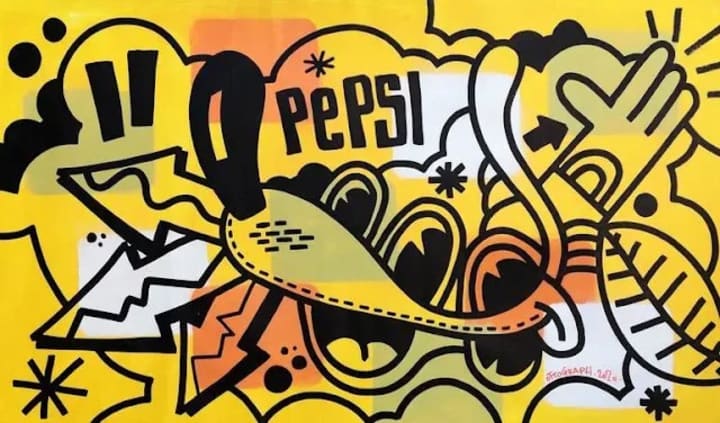
Studio 54’s legacy in the art world goes beyond its history as the quintessential disco nightclub. It played a critical role in shaping the perceptions and acceptance of new art forms, particularly graffiti and street art, which have since gained significant recognition and respect. By fostering an environment where art could be freely expressed and appreciated in all its forms, Studio 54 helped to redefine the cultural and artistic landscape of New York City. The club’s story is a testament to the power of creative spaces in driving the evolution of art, demonstrating that sometimes, the most enduring art forms emerge from the most unexpected places.
About the Creator
Antonino La Vela
Contemporary artist & blogger writer, exploring themes not just in my paintings. You can find more about my work and thoughts on my personal website http://www.antoninolavela.com and my blog http://www.antoninolavela.it.
Keep reading
More stories from Antonino La Vela and writers in Art and other communities.
Impressive Artwork by Odilon Redon
French symbolist artist Odilon Redon was famous for his drawings in the 1880s. The artist’s artworks were mentioned in the popular 1884 novel “A Rebours,” or “Against the Grain,” by Joris-Karl Hysmans. His later artworks were created in oils and pastels. He developed an interest in Hinduism and Buddhism, and this interest in mysticism is reflected in his works of art.
By Rasma Raisters4 days ago in Art
What Is A5 Service on Mercedes and When Do You Need It?
If you’re a Mercedes‑Benz owner, you’ve likely seen a maintenance message pop up on your dashboard — perhaps showing something like “Service A5 due”. But what exactly is a5 service on Mercedes, why it matters, what it includes, and how much it costs? This complete, easy‑to‑understand guide answers all those questions so you can keep your luxury vehicle running smoothly and avoid costly repairs down the road.
By Vincent Otiri5 days ago in Art




Comments
There are no comments for this story
Be the first to respond and start the conversation.