
Delving into the Diverse Landscape of Ghana's Tourism
Nestled on the west coast of Africa, Ghana is a country that boasts a vibrant tapestry of culture, history, and natural beauty
Introduction
Nestled on the west coast of Africa, Ghana is a country that boasts a vibrant tapestry of culture, history, and natural beauty. From its bustling cities to its serene countryside and pristine beaches, Ghana offers a unique and unforgettable experience for travellers. In this article, we will delve into the diverse world of tourism in Ghana, exploring its historical sites, cultural festivals, natural wonders, and warm hospitality.
Historical Sites
One of Ghana's most compelling attractions is its rich history, which is vividly preserved in various historical sites across the country. The coastal city of Cape Coast is home to the Cape Coast Castle and Elmina Castle, both UNESCO World Heritage Sites. These castles, once used in the transatlantic slave trade, now serve as powerful reminders of Ghana's past and offer guided tours that educate visitors about the dark history while emphasising the importance of reconciliation and unity.
Kumasi, Ghana's second-largest city, is the heart of the Ashanti Kingdom and boasts the Manhyia Palace Museum. Here, visitors can explore the royal history and culture of the Ashanti people. Nearby, the Kejetia Market offers an immersive experience in the vibrant hustle and bustle of a traditional African market.
Cultural Festivals
Ghana is a land of festivals, with various ethnic groups celebrating their heritage through colourful and lively events. Homowo is a widely celebrated festival that encompasses all the towns within the Ga state, reaching its crescendo in Gamashie. The festivities kick off with the ceremonial planting of maize, an essential ingredient for the festival's signature dish known as Kpokpoi or Kpekple. During this period, a strict ban on noise-making is enforced as it is believed to disturb the gods. The meal is savored with a delectable Palm Nut Soup, and it is also symbolically sprinkled throughout the town, a ritual often carried out by traditional leaders and family heads.
The celebration involves a vibrant procession along roads and streets, featuring drumbeats, chants, face painting, melodic singing, and traditional dances that pulse with energy. While Homowo holds deep roots in the Ga tradition, it warmly welcomes participation from various ethnic groups, promoting unity and cultural exchange.
Interestingly, the Homowo festival of the Ga tribe traces its lineage to the Jewish tribe and draws inspiration from the ancestral traditions of the Jewish Passover feast, adding an intriguing layer to its cultural significance.
The Hogbetsotso festival of the Ewe people in Anlo in the Volta Region of Ghana. The celebration starts on the first Saturday in the month of November. The festival day unfolds the Ewe history and brings to play the memories of legendary exodus and and heroic acts of men of boldness and their mystical powers that liberated the Ewe-Dogbo people from the rule of tyrant King of Kings Torgbui Agorkorli of Nortsie in Togo. Nortsie is seen as the place of major exodus of the Anlo ancestry.
The durbar forms a significant part of the week–long Hogbetsotso festival which commemorates the migration of the Anlo – Ewes from the ancient walled city of Notsie in present day Northern Togo to their present settlement.
The festival culminated in drumming and dancing to “Husago” by walking “backwards” which they claimed was to elude their enemies who might follow them after they had escaped the tyranny of the wicked King Agorkoli.
The Hogbetsotso festival, celebrated by the Ewe people in Anlo within the Volta Region of Ghana, is a vibrant annual event that commences on the initial Saturday of November. This lively festival serves as a living tapestry of Ewe history, reviving the tales of a legendary exodus and the courageous deeds of bold individuals with mystical powers who liberated the Ewe-Dogbo community from the oppressive reign of the tyrant King of Kings, Torgbui Agorkorli of Nortsie in Togo. Nortsie holds a central place in the ancestral origins of the Anlo people.
The festival spans an entire week, with a significant highlight being the grand durbar. This durbar is a pivotal element of the Hogbetsotso festival, commemorating the remarkable migration of the Anlo-Ewes from the ancient walled city of Notsie, which is now located in Northern Togo, to their current settlement in Ghana.
The climax of the festival manifests in joyful drumming and dancing to the rhythmic beat of "Husago." Notably, this dance is performed while walking "backwards," a symbolic gesture believed to have historical significance. The Ewe people assert that this unique backward dance was employed as a strategy to confound potential pursuers and deter any enemies who might have pursued them after their escape from the oppressive rule of the malevolent King Agorkoli.
In essence, the Hogbetsotso festival is more than just a celebration; it is a vibrant retelling of the Ewe people's historical journey, their struggles, and their ultimate triumph over adversity. It stands as a testament to the resilience and spirit of the Anlo-Ewe community, showcasing their rich cultural heritage and deep-rooted traditions.
The Adae Kese festival is a significant and revered celebration that holds a special place in the history of the Ashanti Kingdom in Ghana. It marks important milestones and commemorates historical events that have shaped the Ashanti nation. The origins of Adae Kese are deeply rooted in the Ashanti people's struggle for statehood and independence, notably through their victory in the Battle of Feyiase, often referred to as the Ashanti Independence War.
Natural Wonders
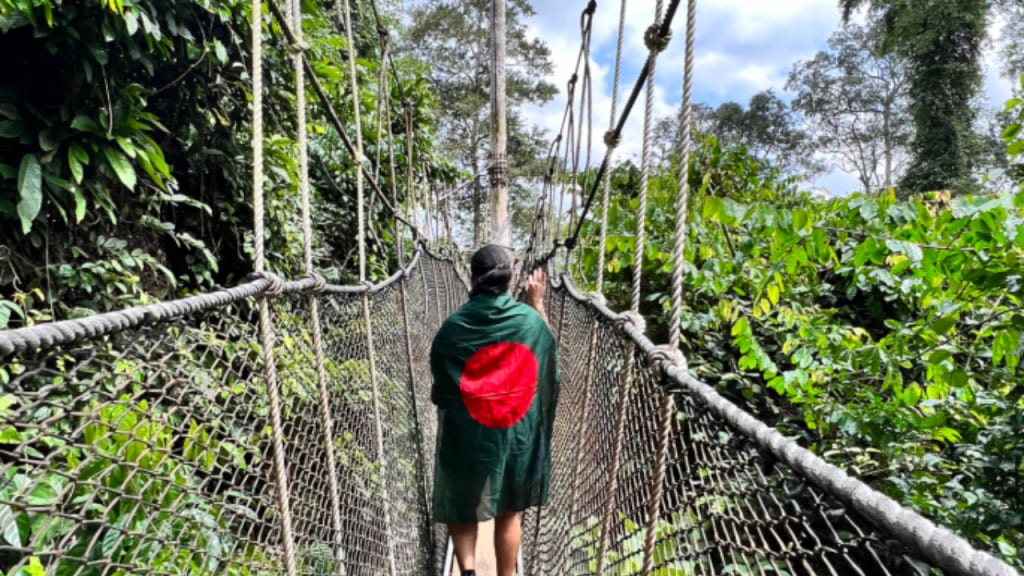
Ghana is blessed with breathtaking natural beauty, from lush rainforests to cascading waterfalls. The Kakum National Park, located in the Central Region, offers visitors an opportunity to explore the canopy walkway, a series of suspended bridges that provide a unique perspective of the rainforest's flora and fauna.
The Wli Waterfalls, the tallest in West Africa, are situated in the Volta Region and provide a refreshing escape amidst nature's splendor. The Mole National Park in the north offers a chance to witness elephants, antelopes, and other wildlife in their natural habitat through guided safaris.
Beaches and Coastline
Ghana boasts an extensive coastline along the Gulf of Guinea, making it a prime destination for beach lovers. Busua Beach, Ada Foah, and Kokrobite Beach are just a few of the idyllic coastal spots where visitors can unwind on pristine sands, swim in azure waters, and indulge in water sports such as surfing and paddle-boarding.
Warm Ghanaian Hospitality
One of the most cherished aspects of traveling in Ghana is the warmth and friendliness of its people. Ghanaians are known for their hospitality and are quick to welcome travellers into their communities. Staying in guesthouses or home stays offers a more authentic experience and the opportunity to connect with locals. Ghana is known for its passionate football culture, and this enthusiasm for the sport has contributed to its appeal as a tourist destination.
Conclusion
Ghana's tourism scene is a harmonious blend of history, culture, nature, and warmth that captivates visitors from around the world. Whether you're exploring the historic castles, dancing to traditional rhythms, or basking on pristine beaches, Ghana offers a memorable and enriching experience. So, pack your bags and embark on a journey to this West African gem to discover the treasures of Ghana's tourism for yourself.
About the Creator
'Till Death We Do Art
There would be nothing divine in this world without art. Nature may surpass the divine to all intents and purposes, but like everything it absorbs and is absorbed by, it remains here, stuck on the surface of this world, ever-present, physically bound to the universe.
By Avocado Nunzella BSc (Psych) -- M.A.P 27 days ago in Art
The Great Museum Scandal: Half of the Artworks in French Museums Found to Be Fake
France is home to some of the most famous museums in the world, attracting millions of visitors each year who come to admire priceless works of art and historical artifacts. However, a recent investigation has sent shockwaves through the art world after suggesting that a significant number of artworks displayed in certain French museums may actually be fake.
By Irshad Abbasi 6 days ago in Art
A Transparent Look at Vocal Challenges and Top Stories
Almost three years ago, we shared a resource article that served as a place for people to suggest new challenge prompts. We thought it would be a good idea to refresh that thread, and take the opportunity to answer a few common questions about top stories, how challenges are judged and how submissions are reviewed.
By Vocal Curation Team4 days ago in Resources



Comments (1)
Nice one