
Creating Exhibition Booths That Captivate: Key Strategies for Design, Build, and Audience Engagement
Exhibitions are dynamic, high-stakes environments where brands vie for attention and connection.


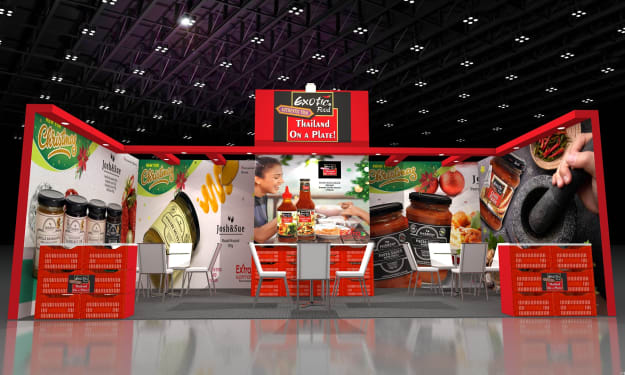
Exhibitions are dynamic, high-stakes environments where brands vie for attention and connection. For companies, an eye-catching, strategically crafted booth can be a powerful tool for elevating brand recognition, engaging prospective clients, and maximizing event ROI. But creating a truly impactful exhibition booth goes beyond mere aesthetics—it’s about functionality, seamless visitor experiences, and consistent brand messaging. This article delves into the essentials of exhibition booth design and construction, offering practical guidance on creating standout booths that attract and engage visitors.
Defining Your Booth’s Purpose
Before the design phase begins, it’s critical to clarify your booth’s objectives. Are you launching a product, aiming to gather leads, or focusing on building brand awareness? With clear goals, booth builders and designers can tailor each element—such as layout, design features, and interactive options—to support these outcomes. Understanding your target audience and crafting a booth that resonates with their interests and needs can drive engagement and lead generation.
Key Components of Effective Booth Design
Successful booth design balances visual appeal with functionality. Essential elements include:
Layout and Flow: Creating a layout that guides visitors naturally through the space.
Branding: Consistent brand colors, logos, and messaging to reinforce identity.
Lighting: Strategic lighting enhances displays and sets the ambiance.
Graphics and Signage: Eye-catching visuals that communicate your core message quickly.
Furniture and Fixtures: Comfortable, branded furniture that invites visitors to linger.
Including examples of effective booths with these design elements can highlight how thoughtful design can create memorable attendee experiences.
The Build Process: Turning Concepts into Reality
Bringing a booth concept to life involves precise planning, sourcing, and assembly. Outline the main stages in the construction process:
Design and Approval: Developing 3D renderings or mock-ups, refining, and securing client approval.
Material Selection: Choosing durable, lightweight, and eco-friendly materials.
Fabrication and Logistics: Building components, planning efficient transportation to the venue.
Installation and Dismantling: Fast, efficient setup and teardown for streamlined event participation.
Consider adding insights on managing international clients or handling logistical challenges for booths at overseas events.
Engaging Visitors Through Interactive Features
Interactive elements can make a booth memorable, drawing visitors and keeping them engaged. Consider integrating features like:
Touchscreens and Digital Displays: For self-guided product exploration and presentations.
Live Demonstrations: Highlighting products or services in action.
Virtual Reality (VR) and Augmented Reality (AR): Immersive tools that showcase products in unique ways.
Giveaways and Competitions: Games and branded prizes to attract and retain booth visitors.
Discuss how technology not only enhances engagement but can also provide valuable visitor data for future booth improvement.
Emerging Trends in Booth Design
Discuss the latest trends that are elevating booth designs for 2024 and beyond:
Sustainability: Eco-conscious designs with reusable or recyclable materials.
Minimalist Design: Open, clutter-free layouts that promote simplicity.
Multi-Sensory Experiences: Enhancing the booth environment with sound, scent, or dynamic lighting.
Personalized Spaces: Booths designed with elements that can be customized for each visitor’s unique experience.
Exploring these trends can show how innovative booth designs meet evolving attendee expectations.
Tracking Success and Measuring ROI
An exhibition booth is a strategic investment, so assessing its effectiveness is essential. Companies can track metrics like booth traffic, lead acquisition, conversion rates, and social media reach to measure success. Discuss the importance of setting measurable objectives and using tools to track performance, gaining insights into visitor preferences to refine future booth designs.
Conclusion
Designing an exhibition booth that captures attention requires creativity, precision, and strategy. By focusing on audience needs, crafting a brand-aligned design, and delivering a memorable experience, companies can maximize their booth’s impact and foster valuable connections. An exhibition booth builder in Munich can provide valuable insights and expertise in this process. With these strategies, businesses can create booths that don’t just attract attention but also drive meaningful engagement and deliver tangible results.
About the Creator
Ava Martin
I am Ava Martin, working as an employee at MizoGlobal, I specialize in creating exceptional exhibition experiences.
Keep reading
More stories from Ava Martin and writers in Art and other communities.
How to Build an Exhibition Stand That Truly Captivates
In today’s competitive business landscape, exhibition stands are more than just physical spaces to showcase products. They are powerful marketing tools that can boost brand visibility and create meaningful connections with potential clients. A well-designed exhibition stand can set you apart from the competition, driving foot traffic and sparking genuine interest in your offerings. Whether you’re a seasoned participant or preparing for your first trade show, understanding the core elements of exhibition stand construction is key to success.
By Ava Martinabout a year ago in Art
Creativity in the Dark
Creativity does not always arrive in bright rooms with clean desks and clear intentions. More often, it slips in quietly—late at night, when the world has dimmed its expectations and the mind is no longer on display. This is creativity in the dark: private, unpolished, and deeply human.
By LUNA EDITHabout 14 hours ago in Art
The Theft of Three Hundred Thousand Rupees
The Theft of Three Hundred Thousand Rupees (Article No. 1427) Bano and Shehla, the sisters of Mansoor and Munir Shami, studied at Tower House Grammar School, a private institution run by Begum Nayab, who was both its owner and principal. She was known as a kind, intelligent, and principled woman. Her school, which offered education from playground to matriculation, had an excellent reputation. Parents from far-off areas sent their children there because of its strong discipline and high academic standards.
By Sudais Zakwanabout 12 hours ago in Art
Autonomy Is The Real Privilege
Good morning, freedom-seekers! Today we’re gonna be looking at autonomy. A strange word, I know; one many would probably look at blankly and run away from on sight. We’re gonna figure out what it actually means, consider how it’s achieved, and decipher just how deeply most of us are tangled up in dependence without realising it.
By That ‘Freedom’ Guy2 days ago in Humans



Comments
There are no comments for this story
Be the first to respond and start the conversation.