
Case Studies: The Impact of AI on Logo and Identity Design
How Artificial Intelligence is Transforming the Branding Landscape

Hello, fellow designers! In branding and design, artificial intelligence (AI) is no longer a futuristic concept; it’s a present-day reality reshaping how logos and brand identities are conceptualized, designed, and implemented.
This article delves into key case studies highlighting the transformative power of AI in logo and identity design, exploring its opportunities, challenges, and implications for designers.
The Role of AI in Logo Design
AI has streamlined the logo design process, enabling faster iterations, data-driven decisions, and unique customization options. AI-powered tools like Adobe Sensei, Looka, and Logojoy have become indispensable for creating scalable, high-quality designs. Below are two real-world examples of AI’s impact on branding:
Case Study 1: Coca-Cola’s AI-Enhanced Visual Identity
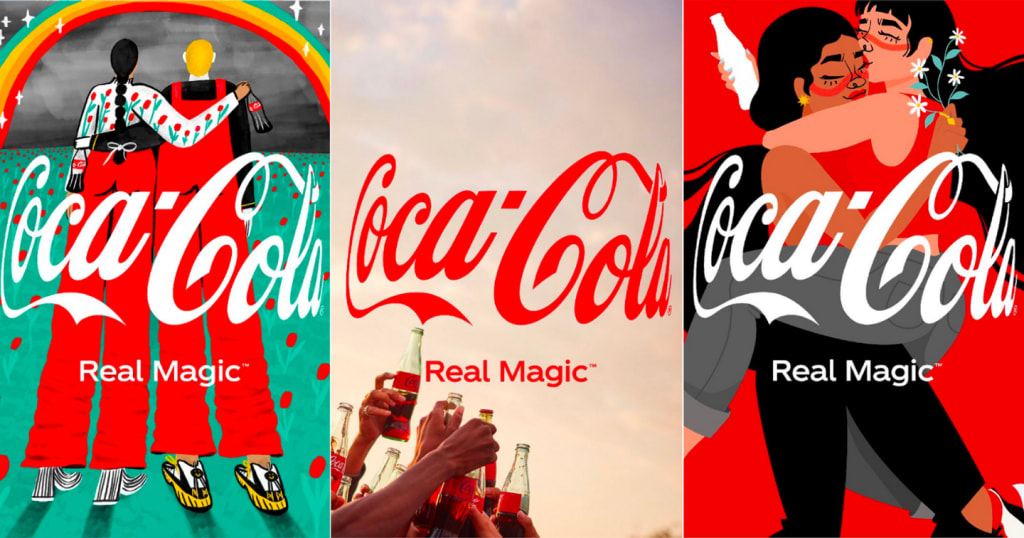
In 2024, Coca-Cola partnered with OpenAI to revamp parts of its visual identity using generative AI. The AI-assisted design system analyzed millions of user interactions with Coca-Cola’s branding to create hyper-personalized variations of its iconic logo for different markets. The result was a striking balance between maintaining global brand recognition and offering tailored local appeal. This campaign boosted brand engagement by 18% globally.
Key Takeaway: AI allows large-scale brands to localize their visual identity without losing brand consistency.
Case Study 2: Wix Logo Maker’s Democratization of Design
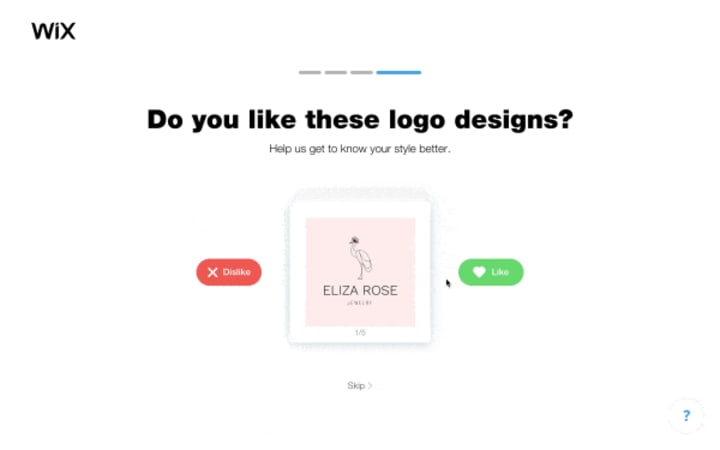
Wix’s AI-driven Logo Maker has revolutionized logo creation for small businesses. By analyzing user preferences through simple questionnaires, the tool generates a variety of professional-grade logo options in minutes. This service has empowered non-designers to create unique brand identities affordably, saving time and resources.
Key Takeaway: AI democratizes design, making professional branding accessible to small businesses and startups with limited budgets.
AI’s Impact on Identity Design Systems
Beyond logos, AI also enhances broader identity systems, including color schemes, typography, and brand guidelines. Here are some examples:
Case Study 3: Spotify’s AI-Powered Branding Personalization
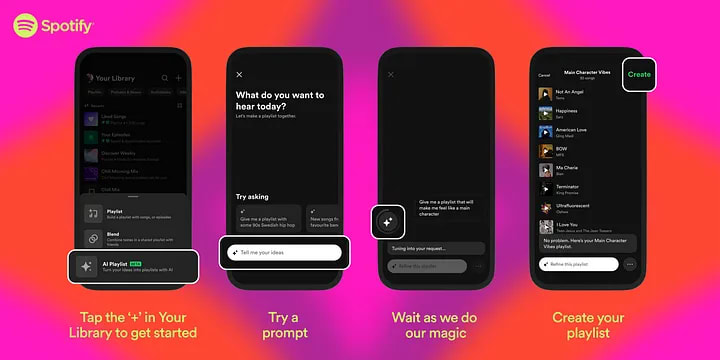
Spotify leverages AI for users based on listening habits to adapt its branding dynamically. The platform generates personalized playlists with covers that match users’ aesthetic preferences. This AI-driven personalization reinforces Spotify’s brand identity as a user-centric platform.
Key Takeaway: AI enables brands to create individualized experiences, increasing customer loyalty and engagement.
Case Study 4: Canva’s AI Features for Small Business Branding
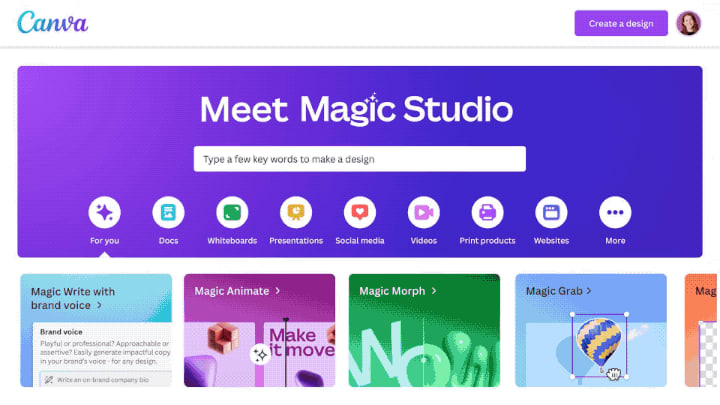
Canva’s AI-based design tools, such as Magic Resize and Brand Kits, simplify identity design for businesses. By analyzing existing assets, Canva’s AI ensures consistency across all brand materials. Small businesses report a 45% time savings when using Canva’s AI tools for branding.
Key Takeaway: AI tools optimize the consistency and scalability of identity systems across platforms.
Challenges in AI-Driven Design
While AI offers transformative benefits, it also presents unique challenges, including:
- Over-reliance on Automation: Automated tools can result in generic designs that lack emotional resonance or originality.
- Intellectual Property Concerns: Generative AI tools often raise questions about copyright and ownership.
- Skillset Evolution: Designers must learn to integrate AI effectively while retaining creative control.
The Future of AI in Branding
AI will continue evolving, integrating more seamlessly with traditional design processes. Designers who embrace AI as a collaborator rather than a competitor will be better equipped to innovate and meet the demands of modern branding.
- Augmented Creativity: AI will assist in brainstorming, generating mood boards, and exploring unconventional design ideas.
- Real-Time Feedback: Advanced AI systems may provide instant feedback, improving designs based on target audience preferences.
- Sustainability Focus: AI can help create eco-friendly designs by optimizing production processes and materials.
Final Thoughts
AI has undeniably altered the landscape of logo and identity design. The potential is immense, from democratizing design for small businesses to enabling large-scale personalization for global brands. However, success lies in using AI to amplify creativity, not replace it.
By balancing automation with human ingenuity, designers can harness AI to craft identities that resonate deeply with audiences and stand the test of time.
Happy designing!
About the Creator
Gading Widyatamaka
Jakarta-based graphic designer with over 5 years of freelance work on Upwork and Fiverr. Managing 100s logo design, branding, and web-dev projects.
Keep reading
More stories from Gading Widyatamaka and writers in Art and other communities.
The Future of Branding: Trends to Watch in 2025
Hello, fellow designers! As we move closer to 2025, the branding landscape is rapidly evolving, shaped by technological advancements, shifting consumer behaviors, and new cultural trends. Having spent nearly 5 years as a freelance graphic designer and brand manager, I’ve seen firsthand how quickly the industry can change.
By Gading Widyatamakaabout a year ago in Art
'Till Death We Do Art
There would be nothing divine in this world without art. Nature may surpass the divine to all intents and purposes, but like everything it absorbs and is absorbed by, it remains here, stuck on the surface of this world, ever-present, physically bound to the universe.
By Avocado Nunzella BSc (Psych) -- M.A.P 26 days ago in Art
Essential Traditional Performance Arts Around the World for Curious Travelers
Traditional performance arts are powerful cultural expressions that connect communities to their history and identity. Through dance, music, theater, and ceremonial storytelling, societies share values, beliefs, and experiences that have shaped their heritage. These performances often combine artistic creativity with historical traditions preserved across generations.
By Producer James Simon4 days ago in Art
Why Didn't Anyone Tell Us
Men, move along. This is not for you. This is for the women. I was forty-five when I began menopause. It is pretty young for that to be going on in a woman’s life, but I had undiagnosed PCOS, my entire life. Thank you to all the gynecologists I had seen my entire life. That in itself should encourage women to keep seeking second opinions, especially when you are not getting correct answers or any at all.
By Alexandra Grant5 days ago in Humans




Comments
There are no comments for this story
Be the first to respond and start the conversation.