
Can the Art of Comics Change the World?
Between Speech Balloons, New Worlds Take Shape

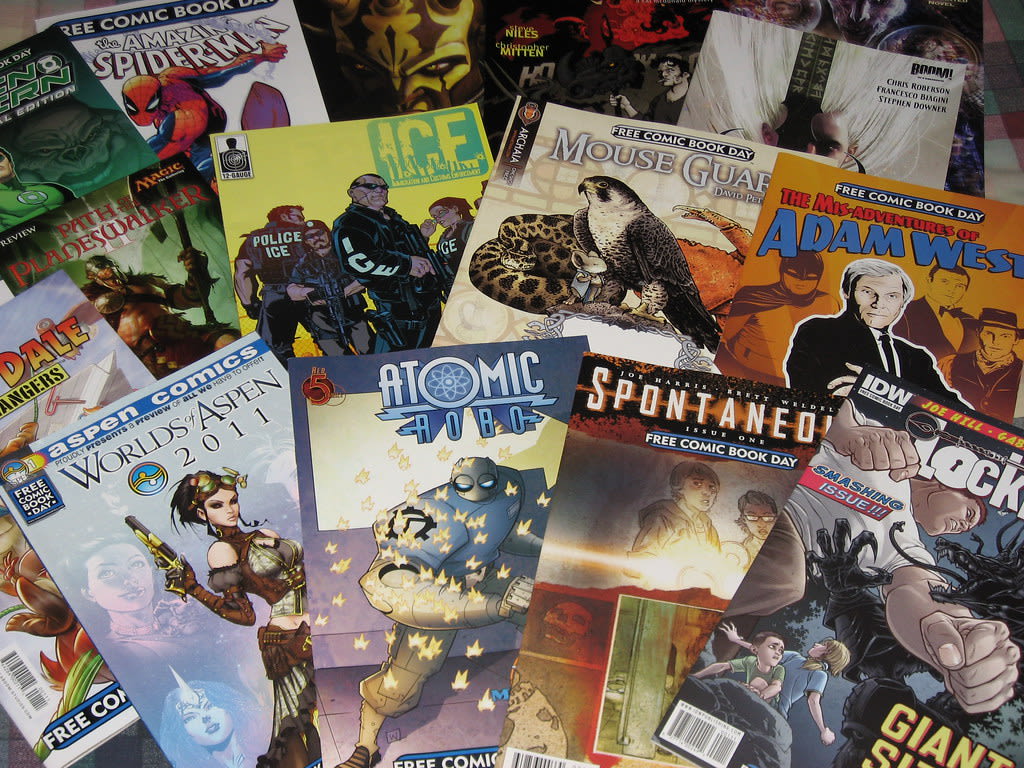
In the intricate landscape of human communication, comic art emerges as a profound catalyst for societal transformation, transcending traditional boundaries of expression and understanding. Far more than mere entertainment, comics represent a unique medium capable of challenging perspectives, sparking critical dialogues, and fostering empathy across diverse human experiences.
The power of comic art lies in its extraordinary ability to distill complex narratives into visually compelling experiences. Unlike traditional textual communication, comics leverage visual storytelling's immediacy, allowing readers to instantly connect with nuanced emotional landscapes. This visual language bypasses intellectual barriers, speaking directly to human emotional intelligence.
Historical evidence demonstrates comics' remarkable potential for social change. During World War II, political cartoons and comic narratives played crucial roles in shaping public opinion and maintaining morale. Artists like Art Spiegelman, through groundbreaking works like "Maus," transformed traumatic historical experiences into accessible narratives that educated generations about complex human experiences like the Holocaust.
Contemporary comic art has expanded its transformative reach through diverse representational strategies. Marginalized communities have discovered powerful platforms for storytelling, using graphic narratives to challenge systemic narratives and illuminate previously invisible experiences. Works exploring racial identity, gender dynamics, and cultural intersectionality have emerged as critical tools for social understanding.
Psychological research suggests visual storytelling activates multiple cognitive processes simultaneously. When readers engage with graphic narratives, they process visual and textual information concurrently, creating more immersive and memorable experiences. This multisensory engagement enables deeper emotional connections and more profound understanding of complex themes.
International comic movements have demonstrated remarkable capacity for cross-cultural communication. Manga from Japan, manhwa from Korea, and graphic novels from diverse global contexts have introduced nuanced cultural perspectives, breaking down geographical and linguistic barriers. These narratives serve as bridges, fostering intercultural empathy and understanding.
Educational institutions increasingly recognize comics' potential as sophisticated pedagogical tools. Complex scientific concepts, historical events, and philosophical ideas can be effectively communicated through graphic storytelling. By transforming abstract information into visually engaging narratives, comics make challenging subjects more accessible and comprehensible.
Technological advancements have further expanded comics' transformative potential. Digital platforms enable global distribution, allowing creators to reach audiences instantaneously. Interactive digital comics introduce innovative storytelling mechanisms, encouraging reader participation and creating more dynamic narrative experiences.
Emerging comic artists are increasingly addressing critical global challenges. Climate change, technological disruption, and social justice movements find powerful expression through graphic narratives. These works don't merely document contemporary struggles but actively contribute to collective imagination and potential solutions.
The medium's inherent flexibility allows for radical reimagining of social narratives. By challenging established visual conventions and storytelling structures, comics continuously push boundaries of creative expression. They serve as laboratories for exploring alternative perspectives, questioning dominant cultural paradigms.
Neurological studies reveal that visual storytelling activates similar brain regions associated with lived experiences. When readers engage with compelling graphic narratives, their neural pathways simulate emotional and cognitive processes as if experiencing events directly. This neurological phenomenon explains comics' profound empathetic potential.
Contemporary graphic memoirs and autobiographical comics have emerged as particularly potent vehicles for personal and collective healing. By transforming individual trauma into shareable narratives, these works create spaces for collective understanding and emotional processing.
The democratization of comic creation through digital platforms has further amplified marginalized voices. Independent creators can now develop and distribute narratives that challenge mainstream representations, creating more diverse and inclusive storytelling ecosystems.
Global comic festivals and academic conferences increasingly recognize the medium's intellectual and cultural significance. What was once considered a niche art form now represents a sophisticated platform for critical dialogue and creative expression.
Comics have also proven to be a resilient medium for dissent and critique. The compact, portable format allows ideas to travel easily across social boundaries; protest posters, zines, and underground comics have historically circulated perspectives suppressed by mainstream channels. Visual satire distills power structures into memorable symbols, and sequential storytelling can juxtapose cause and effect in ways that clarify injustice. In authoritarian contexts, where speech is restricted, images can implicitly convey dissent through allegory and formal play, preserving resistance under risk.
The rise of graphic memoir and the literary graphic novel shifted public perception of comics, granting them cultural legitimacy and opening institutional doors. When visual narratives enter libraries, classrooms, and academic discourse, they reshape the cultural hierarchy of acceptable forms for serious analysis. This legitimization matters politically: stories that chronicle migration, war, illness, or systemic discrimination become part of the archival record and public conversation, influencing how societies remember and learn from events.
Looking forward, comic art's potential for social transformation appears boundless. As technological capabilities expand and global perspectives diversify, comics will likely continue evolving as powerful instruments of communication, understanding, and collective imagination.
The journey of comic art demonstrates humanity's remarkable capacity to transform complex experiences into accessible, emotionally resonant narratives. Through visual storytelling, we discover not just alternative perspectives, but our shared, intricate human experience.
About the Creator
Ben Alley
Noodle obsessed. Books lover. Cinema fan.
'Till Death We Do Art
There would be nothing divine in this world without art. Nature may surpass the divine to all intents and purposes, but like everything it absorbs and is absorbed by, it remains here, stuck on the surface of this world, ever-present, physically bound to the universe.
By Avocado Nunzella BSc (Psych) -- M.A.P 24 days ago in Art
Becca
"Everything is so... flat." Denille said stupidly as she looked around her new neighborhood. She looked around at the muted desert where even the smallest sign of life seemed to have given up. The plant life was shrubs that were half cooked by the heat and where there should have been a lawn, a mess of white rocks laid glistening in the sun. Even the sky looked stretched thin, like the sun had ironed it smooth. She’d moved from Riverside, where at least there were hills, but here in Barstow, everything felt baked and brittle.
By Sara Wilson7 days ago in Fiction




Comments
There are no comments for this story
Be the first to respond and start the conversation.