
Cambria Font: A Timeless Typeface for Elegance and Readability
Cambria Font

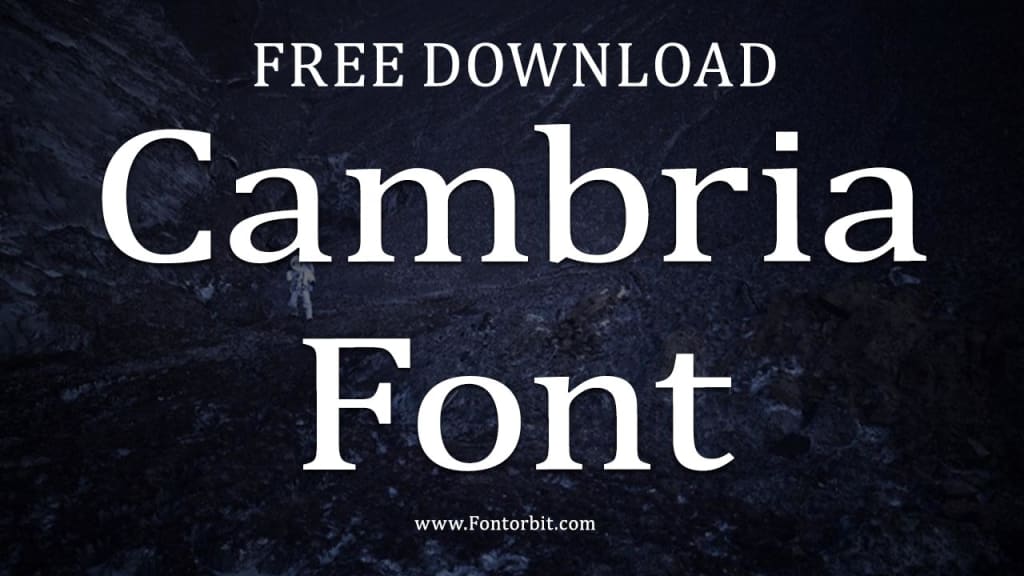
The Cambria font, a serif typeface, has become a popular choice for both digital and print media due to its exceptional readability and classic design.
Originally designed by Jelle Bosma with contributions from Steve Matteson and Robin Nicholas, it was released by Microsoft in 2004 as part of the ClearType Font Collection. Over the years, Cambria has gained widespread recognition for its versatility and sophistication.
History and Development
Cambria was developed as a part of Microsoft's ClearType Font Collection to optimize screen readability. The typeface was included in Microsoft Office 2007 and became a default font in many applications. Its design caters to both traditional and modern aesthetics, making it suitable for a wide range of uses, from professional documents to academic papers.
Design Features
Cambria stands out for its elegant yet functional design. Key features include:
Serif Style: Its finely crafted serifs provide a timeless look and enhance legibility.
Balanced Proportions: The font features uniform stroke widths and balanced letterforms, ensuring visual harmony.
High Legibility: Designed with ClearType technology, it performs exceptionally well on screens, minimizing strain during extended reading sessions.
Versatility: Cambria supports a wide range of characters, including special symbols and accented letters, making it ideal for multilingual documents.
Applications
The versatility of Cambria makes it suitable for various applications:
Academic Writing: Its professional appearance makes it a favorite for essays, theses, and dissertations.
Business Documents: Widely used in reports, letters, and presentations, it conveys professionalism.
Web Design: Although more traditional, its readability ensures a seamless user experience.
Ebooks and Print: Cambria performs well in both digital and printed formats, retaining clarity and elegance.
Comparison with Similar Fonts
While Cambria shares similarities with other serif fonts like Times New Roman and Georgia, it differentiates itself through its modern design and superior screen readability. Unlike Times New Roman's compact appearance, Cambria's wider spacing ensures better readability, especially in longer texts.
Conclusion
Cambria font exemplifies a perfect blend of elegance and functionality. Its timeless design, coupled with its adaptability across various media, makes it an enduring favorite. Whether you are drafting a formal document or designing a user-friendly interface, Cambria proves to be a reliable and aesthetically pleasing choice.
FAQs About Cambria Font
1. Who designed the Cambria font?
Cambria was designed by Jelle Bosma, with contributions from Steve Matteson and Robin Nicholas, and released by Microsoft in 2004.
2. Is Cambria a free font?
Cambria is not a free font. It is licensed through Microsoft and comes pre-installed with products like Microsoft Office.
3. What are the primary uses of the Cambria font?
Cambria is ideal for academic writing, business documents, web design, and print media due to its readability and professional appearance.
4. How does Cambria compare to Times New Roman?
While both are serif fonts, Cambria features wider spacing and is optimized for screen readability, whereas Times New Roman has a more compact design.
5. Can I use Cambria on non-Microsoft platforms?
Yes, Cambria can be used on non-Microsoft platforms if you have the appropriate license or access to the font file.
6. Does Cambria support multiple languages?
Yes, Cambria includes a wide range of characters and supports multiple languages, making it suitable for diverse writing systems.
7. What is the difference between Cambria and Georgia fonts?
Cambria has a more formal and modern appearance, while Georgia leans towards a traditional and slightly decorative style, particularly for headlines.
About the Creator
Jillur Rahaman
Jillur Rahman is the creative mind behind FontOrbit. This website is a vibrant hub for typography enthusiasts. With a CSE degree and over a decade of experience in web design & development, Jillur got passion for sharing knowledge.
Keep reading
More stories from Jillur Rahaman and writers in Art and other communities.
Swiss 721 BT Font: A Timeless Typeface for Modern Design
The Swiss 721 BT font is a renowned typeface celebrated for its versatility, legibility, and modern aesthetic. Originating as a digital version of the Helvetica family, this font has found its place in various industries, from advertising to publishing, due to its clean and professional appearance.
By Jillur Rahamanabout a year ago in Art
Quote of the Day by Albert Einstein: “Try not to become a man of success, but rather try to become a man of value.”
“Why Albert Einstein’s timeless words still challenge modern ideas of success, purpose, and what truly matters.” Few figures in history have shaped human thought as profoundly as Albert Einstein. Known worldwide for revolutionising physics, Einstein was also a deep thinker on life, ethics, and human purpose. Among his many reflections, one quote continues to resonate across generations and cultures:
By Salaar Jamaliabout 3 hours ago in Art


Comments
There are no comments for this story
Be the first to respond and start the conversation.