


Painting and Calligraphy: An Art in Harmony
Art has been one of the most important means by which humans have been able to express themselves over a long period of time, beyond the barriers of language, culture, and geography. Among the many art forms, painting and calligraphy stand as two ages-long disciplines appealing both to the eye and the soul. Painting involves the use of colors, shapes, and textures to depict emotions, tell stories, or depict scenes.
Historical Roots of Painting and Calligraphy
Painting is one of the oldest forms of expression. It has evolved from medieval times with the cave paintings in Lascaux, France, dating back some more than 17,000 years, to fresh colors of the Renaissance frescoes. It was initially developed as an e very important form of communication and telling tales in societies. With advanced societies, painting became the means to chronicle events, carry along religious messages, and provide a storyboard of the artist about his world.
The Marriage of Painting and Calligraphy
Traditionally, the two often complement each other, especially in Asian forms where the acts are merely complementary to one another. In China, Japan, and Korea, for example, it's often the case that one finds either a landscape or floral painting accompanied by calligraphic inscriptions.
Symbolism and Techniques
Both painting and calligraphy utilize symbolism and technique heavily.
Color, form, and texture are used in painting to evoke emotion, to tell a story, or to represent abstract thought. Color is symbolic for each culture: for example, the color red symbolizes power or passion in most Western art, but it represents joy and celebration in Chinese tradition.
The flow of the brush, the angle at which the stroke is accomplished, and the spacing between the letters or characters-all go to make the difference. In Arabic calligraphy, for example, there are touches of many different styles: Kufic or Thuluth are two examples of those used for different purposes, some being for religious texts and others for poetry or decoration.
The Cultural Value of Painting and Calligraphy
The integration of painting and calligraphy is not only aesthetically beautiful but represents a cultural and philosophical attitude of societies in which such arts flourish.
In Chinese culture, for example, both painting and calligraphy are forms of self-cultivation and spiritual exercise. It is said to reflect the state of mind of the artist through the characteristics of spontaneity, control, and balance that characterized the brushstroke.
Modern Expressions and Global Influence
Today, both painting and calligraphy continue to influence each other in new ways. The contemporary art world is filled with artists who mix old techniques with new subjects, thus producing a work that will speak both to history and the present. The global nature of art today has cross-cultural influences where artists from one culture borrow traditions in another culture.
For example, much Islamic calligraphy today incorporates aspects of abstract painting. The interaction between script and form is dynamic. Western artists found their source of inspiration in Asian ink painting and calligraphy by adopting this minimalist yet expressive style in their works.
Conclusion
Such a relation between painting and calligraphy speaks volumes about the universality of art, knowing no barrier of culture and time.
Whether it is the fluidity of the ink painting combined with the grace in the curves of the calligraphy of Chinese art, the geometrical precision of Islamic calligraphy interwoven with floral motifs, or the illuminated text of Western manuscripts.
About the Creator
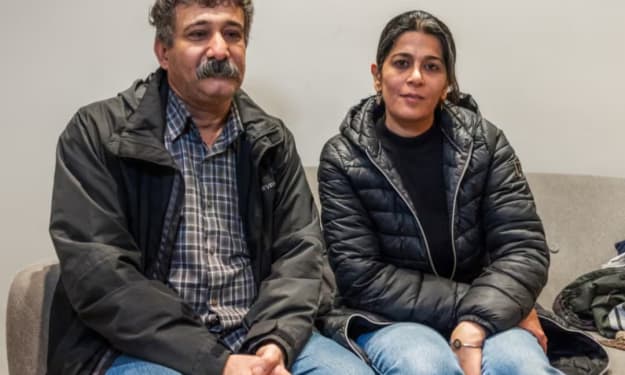
‘A Lot of Fear’: The Families Bearing the Brunt of Sweden’s Immigration Crackdown
Sweden, once widely regarded as one of Europe’s most welcoming destinations for refugees and migrants, is undergoing a profound shift in its immigration policy. In recent years, a tougher stance on asylum, residency, and deportations has taken hold, driven by political pressure, concerns over crime, and the rise of anti-immigration sentiment. While policymakers frame the changes as necessary to restore order and integration, families with migrant backgrounds say they are paying the highest price. For many, the new approach has created an atmosphere of fear, uncertainty, and emotional strain that reaches deep into everyday life.
By Salaar Jamaliabout 14 hours ago in Art
Bone Carvings
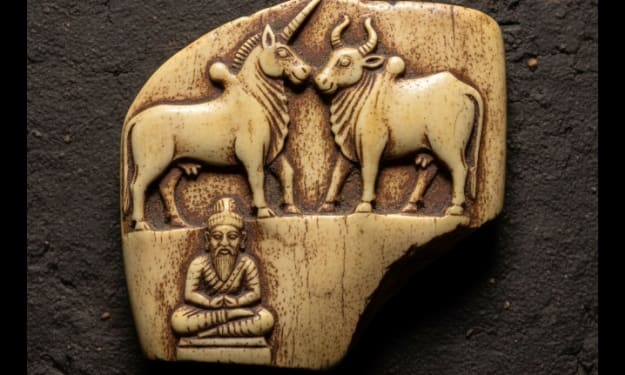
Long before marble statues, bronze sculptures, or digital art, humans carved meaning into what they had closest at hand—stone, wood, and bone. Among these, bone carvings stand as one of the most intimate and haunting art forms ever created. Made from the remains of animals hunted for survival, bone carvings blur the boundary between necessity and creativity, life and death, utility and beauty. Bone carving is not merely an ancient craft; it is a universal language that spans continents, cultures, and centuries. From prehistoric tools etched with symbolic patterns to sacred amulets and intricate modern artworks, bone carvings reveal how humans have always sought to transform mortality into meaning. The Origins of Bone Carving Bone carving dates back tens of thousands of years. Archaeological discoveries show that early humans carved bones to create tools, ornaments, and ritual objects. Unlike stone, bone was easier to shape and carried symbolic value—it came from living beings that sustained human life. Some of the earliest bone carvings include needles, fishhooks, flutes, and figurines found in Ice Age settlements. These objects prove that even in harsh survival conditions, humans made time for art. The act of carving itself became a quiet rebellion against impermanence. Bone was not chosen randomly. It represented strength, continuity, and the transfer of life from one being to another. In many cultures, carving bone was an act of respect rather than destruction. Bone as a Medium: Fragile Yet Powerful Bone is both fragile and resilient. It can crack under pressure, yet it can last thousands of years when preserved. This paradox makes bone a compelling artistic medium. Artists working with bone must understand its natural curves, density, and grain. Unlike wood or stone, bone demands patience and precision. Every mistake is permanent. This difficulty is part of the art’s appeal. Bone carving forces the artist to collaborate with nature rather than dominate it. The result is often intimate, organic, and deeply personal. Cultural Significance Across the World Bone carvings appear in nearly every ancient civilization, each with unique meanings and styles. Indigenous Arctic cultures carved bone and ivory into tools, masks, and spiritual figures, often depicting animals that guided their survival. African societies used bone carvings in ritual objects, symbolizing ancestry, protection, and communication with spirits. Asian traditions, particularly in Tibet and China, carved bone into prayer beads, amulets, and symbolic ornaments associated with impermanence and enlightenment. Polynesian and Maori cultures created intricate bone pendants that represented identity, lineage, and spiritual power. In many societies, bone carvings were never considered “decorative.” They were sacred objects, carrying energy, memory, and purpose. Symbolism: Life, Death, and Transformation At the heart of bone carving lies symbolism. Bone represents what remains after life has passed, making it a powerful metaphor for endurance and transformation. Carving bone is often interpreted as: Turning death into beauty Honoring the spirit of an animal Preserving memory beyond mortality Accepting impermanence while creating permanence Many spiritual traditions view bone carvings as reminders that life and death are not opposites, but parts of the same cycle. Bone Carvings as Functional Art Historically, bone carvings were not displayed in galleries. They were worn, held, used, and trusted. Combs, buttons, weapon handles, musical instruments, and tools were often decorated with carvings. This fusion of function and art challenges modern ideas about creativity. Bone carvings prove that art does not need a frame or a pedestal—it can live in the hands of everyday people. The Ethics of Bone Carving In the modern world, bone carving raises ethical questions. Conservation laws and animal rights concerns have reshaped how artists source materials. Today, responsible bone carving relies on: Naturally deceased animals Recycled or archaeological bone (where legal) Agricultural byproducts Many contemporary artists emphasize respect and sustainability, ensuring that the craft does not exploit wildlife. This ethical shift has given bone carving a renewed moral dimension, aligning ancient traditions with modern values. Modern Bone Carving: A Revival Despite being ancient, bone carving has not disappeared. In fact, it is experiencing a quiet revival. Contemporary artists use bone to explore themes such as: Identity and ancestry Environmental loss Mortality and memory Human connection to nature Modern bone carvings often combine traditional techniques with abstract forms, transforming the medium into a bridge between past and present. Social media and independent art platforms have also helped bring this hidden art form into public view, allowing global audiences to appreciate its depth. Bone Carvings in Museums and Galleries Major museums around the world preserve bone carvings as historical treasures. These artifacts offer rare insight into how early humans thought, believed, and expressed themselves. However, bone carvings still exist on the margins of the art world. They challenge conventional ideas of beauty and comfort, forcing viewers to confront mortality and material truth. This discomfort is precisely what gives bone carvings their power. Why Bone Carvings Still Matter In an age dominated by digital art and mass production, bone carvings remind us of something essential: art is born from touch, time, and intention. They tell stories without words. They connect us to ancestors we will never meet. They remind us that creativity existed long before comfort. Bone carvings are not relics of the past—they are mirrors reflecting humanity’s oldest questions. Conclusion: Art That Refuses to Fade Bone carvings stand at the intersection of survival and spirituality, art and memory. They are carved from what remains, yet they endure. In every groove and pattern lies a silent message: humans have always created meaning, even from loss. Bone carvings are not just art. They are proof that creativity survives—even after life has passed.
By Zahid Hussain3 days ago in Art


Comments
There are no comments for this story
Be the first to respond and start the conversation.