
Bringing Nature Indoors: The Benefits of Biophilic Design
Creating a Harmonious Connection with the Natural World


In today's fast-paced urban world, there is a growing desire to reconnect with nature. One way to do this is by incorporating biophilic design elements into your home. Biophilic design is a practice that seeks to connect people with nature through the use of natural elements, materials, and experiences. By bringing nature indoors, you can create a more calming, relaxing, and inspiring living space.
The Benefits of Biophilic Design
Improved Mental Health: Studies have shown that exposure to nature can reduce stress, anxiety, and depression. Incorporating biophilic elements into your home can help improve your overall mental well-being.
Increased Productivity: Biophilic design can enhance creativity and productivity. Being surrounded by natural elements can help you focus, concentrate, and think more clearly.
Enhanced Well-being: Exposure to nature has been linked to improved physical health, including lower blood pressure, reduced heart rate, and better sleep.
Connection to Nature: Biophilic design can help you feel more connected to the natural world. This connection can foster a sense of awe, wonder, and appreciation for the environment.
Ways to Incorporate Biophilic Design into Your Home
Indoor Plants: Adding plants to your home is one of the simplest and most effective ways to incorporate biophilic design. Choose a variety of plants that suit your home's environment and your personal preferences.
Natural Materials: Use natural materials like wood, stone, and bamboo for flooring, furniture, and decor. These materials can create a warm and inviting atmosphere and help you feel more connected to nature.
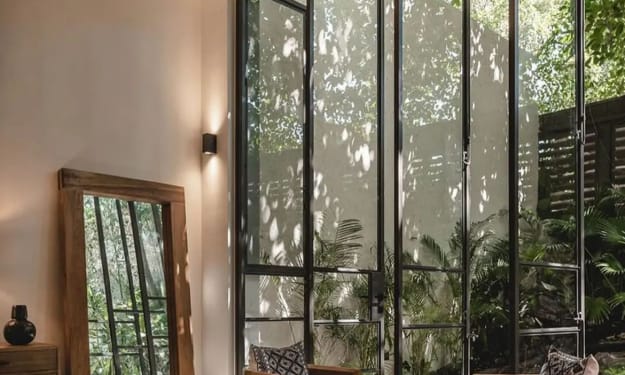
Natural Light: Maximize natural light in your home by using large windows and skylights. Natural light can improve your mood, energy levels, and overall well-being.
Water Features: Incorporate water features like fountains, aquariums, or a small pond. The sound and sight of water can be very calming and relaxing.
Nature Views: If possible, design your home with views of nature. Even a simple view of trees or a garden can have a positive impact on your mental health.
Nature-Inspired Art: Decorate your home with nature-inspired art, such as paintings, photographs, or sculptures. This can help you feel closer to nature, even if you don't have a lot of space for plants or other natural elements.
Creating a Biophilic Bathroom
Your bathroom is a great place to incorporate biophilic design. Consider adding a few houseplants, using natural materials like stone for the countertops, or installing a skylight to let in natural light. You can also create a relaxing atmosphere by using aromatherapy diffusers or playing nature sounds.
Biophilic Design in the Bedroom
Your bedroom should be a peaceful and relaxing retreat. Incorporate biophilic design elements by adding plants, using natural materials, and creating a calming atmosphere. You can also play nature sounds or use aromatherapy to promote relaxation and sleep.
Biophilic Design in the Living Room
Your living room is a place to relax and entertain guests. Consider adding a large indoor plant, using natural materials for furniture, or incorporating a water feature. You can also create a cozy atmosphere by using soft textiles and warm lighting.
Conclusion
Biophilic design is a powerful tool for creating a healthier, happier, and more sustainable home. By incorporating natural elements into your living space, you can connect with nature, improve your mental and physical well-being, and create a truly inspiring environment.
About the Creator
When To Drop A Writer
Sometimes, there will arise a problem between writer and artist. There are plenty of reasons for this to happen, and when it happens, the adult thing to do is to just message the other person that you’ll be breaking off business dealings with the person and then going on to the next project. You can negotiate, especially if you have a split-profits deal, so avoid blocking them for as long as possible (although in some cases a clean break is best). Each situation is unique, so get as much advice as possible before making a rash decision. Also, remember that in business, paranoia is a good thing: Keep records of every interaction. How you’ll proceed is up to you when you decide to break up, but something needs to be done.
By Jamais Jochimabout 3 hours ago in Art



Comments
There are no comments for this story
Be the first to respond and start the conversation.