
Bird Drawing for Kids: Colorful Step-by-Step Fun
An easy and fun guide to drawing colorful birds for kids, step by step!

Drawing is a wonderful activity that helps children develop their creativity, fine motor skills, and concentration. It’s an enjoyable and educational experience that fosters self-expression. In this article, we will explore how your child can draw a colorful bird, step by step, in an easy and fun way. Whether they are new to drawing or have some experience, this simple bird drawing tutorial will make their artistic journey exciting!
Why Bird Drawing is Perfect for Kids
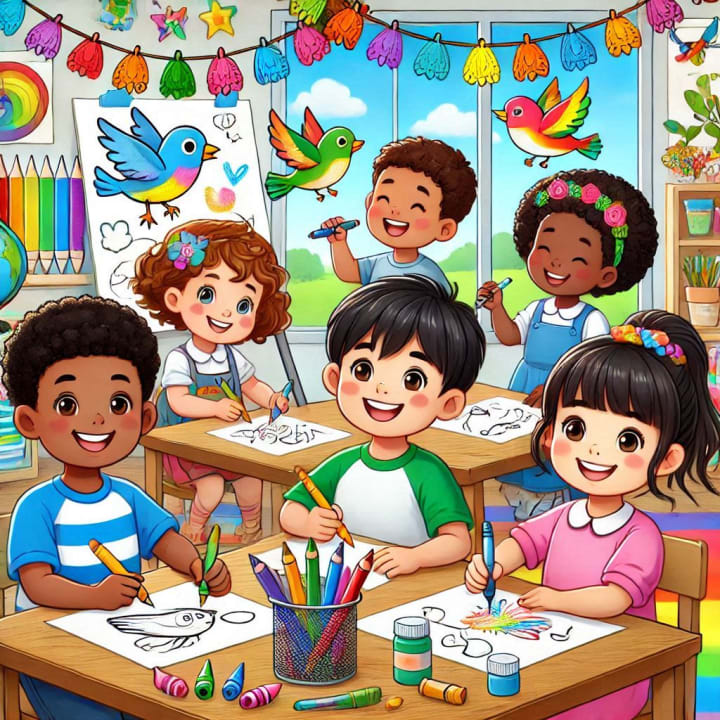
Bird drawings are an excellent choice for children because they feature simple, recognizable shapes that are easy to draw. Whether it’s a cute little chick or a vibrant parrot, birds are ideal subjects for kids to practice drawing. Here’s why bird drawing is perfect for young artists:
1. Simple and Fun Shapes
Birds have basic shapes such as circles, ovals, and triangles, making them easy to sketch. Kids can easily replicate these shapes, which helps them learn how to break down more complex subjects into simpler forms.
2. Encourages Creativity
Birds come in all colors and sizes, so kids can get as creative as they want when it comes to coloring. This flexibility allows them to express themselves freely and experiment with different color combinations.
3. Teaches Patience and Focus
Drawing a bird step by step helps kids develop patience and attention to detail. The process of following a tutorial and adding layers of details can help improve focus and concentration.
4. Fun and Educational
Birds are not just fun to draw; they also offer learning opportunities. Kids can learn about different bird species, their characteristics, and the importance of birds in nature while they draw.
Materials You’ll Need for Your Bird Drawing
Before we dive into drawing, let’s first gather the materials your child will need. Don’t worry! You don’t need anything fancy—simple art supplies will do the trick.
Basic Materials:
Pencils: A regular pencil will be perfect for sketching the basic shapes of the bird.
Markers or Colored Pencils: These are great for adding vibrant colors to the bird. Choose non-toxic, kid-friendly colors.
Paper: Plain white paper will work well. If you’re using markers, choose thicker paper to avoid bleed-through.
Erasers: Keep an eraser handy for any adjustments or mistakes.
Additional Optional Materials:
Crayons: For younger children, crayons can be a fun and easy way to add color to the drawing.
Watercolor Paints: If your child enjoys painting, watercolor paints can be used to add a soft touch to their bird drawings.
These basic supplies will ensure that your child has everything they need to create a beautiful bird drawing.
Step-by-Step Guide: Drawing a Simple Bird
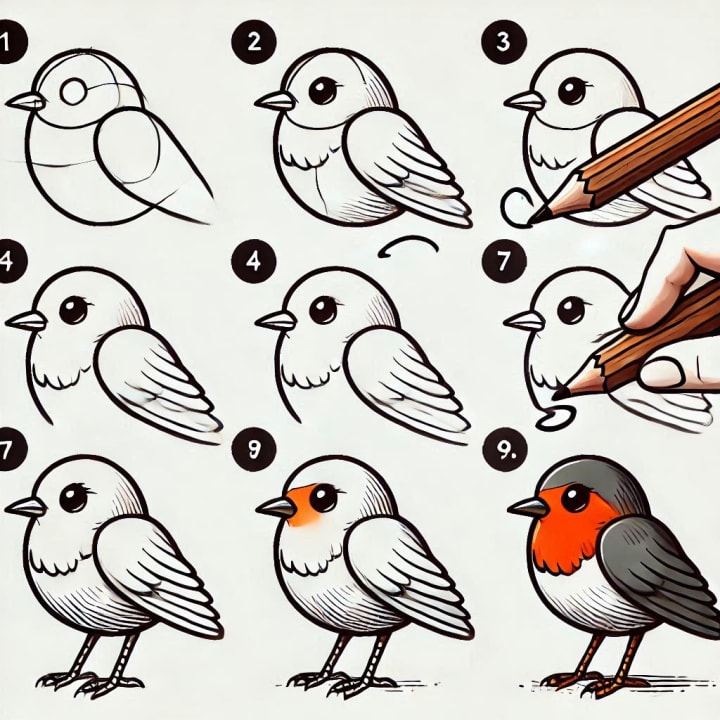
Now, let’s get started! Follow these easy steps with your child, and they will be able to draw a colorful bird in no time.
Step 1: Start with Simple Shapes
Begin by drawing a large oval for the bird's body. This shape will be the main part of your bird. It doesn’t have to be perfect—just try to get the general shape. Next, draw a small circle at the top of the oval for the head.
Step 2: Add Details: Eyes, Beak, and Feathers
Now that the basic shape is done, it’s time to add some details!
Eyes: Draw two small circles in the head for the eyes. You can add pupils by coloring them in with a black marker.
Beak: Draw a small triangle at the front of the head for the beak. You can make the beak pointy or rounded, depending on the type of bird you’re drawing.
Feathers: Add some curved lines to the body to represent feathers. Draw a few more lines for the wings and tail. Feel free to make the feathers big and bold for a fun effect!
Step 3: Color Your Bird
Now comes the exciting part—coloring your bird! You can use any colors you like, so don’t be afraid to get creative. Here are a few suggestions based on different types of birds:
Parrot: Use bright reds, greens, yellows, and blues.
Robin: Color the chest area with shades of red and brown, and use brown for the wings and body.
Penguin: Use black and white, with a hint of yellow for the beak and feet.
Encourage your child to choose their favorite colors and experiment with different combinations. The beauty of bird drawings is that there are no rules—let their creativity soar!
Top Bird Drawing Tips for Kids
Here are some helpful tips to make your bird drawing experience even more enjoyable and educational for kids:
1. Take It Slow
Remind your child to take their time with each step. Drawing isn’t a race, and taking it slow helps them focus on the details and enjoy the process.
2. Use Reference Images
If your child is drawing a specific type of bird, show them pictures of that bird to help them understand its unique features. This can inspire them and give them a clear idea of what to draw.
3. Add Fun Background Elements
Encourage your child to add a background to their bird drawing. Whether it’s a sunny sky, a leafy tree, or a colorful flower, adding a setting can make the drawing even more special.
4. Experiment with Different Textures
Feathers, beaks, and wings all have different textures. Show your child how to experiment with different drawing techniques to represent textures. For example, short, quick strokes can create a feather-like effect, while longer lines can make the wings appear more defined.
5. Don’t Worry About Perfection
Remind your child that art is about creativity, not perfection. Each drawing is unique, and mistakes are part of the learning process. The most important thing is to have fun!
Fun Variations: Different Birds to Draw
Once your child has mastered drawing a simple bird, why not try some fun variations? There are so many types of birds to explore, and each one provides a unique challenge. Here are a few ideas to get started:
1. Penguin
Penguins are easy to draw with their round, chubby bodies and little flippers. Add a snowy background for extra fun!
2. Owl
Owls are a bit more complex, but their round faces and large eyes make them fun to draw. Try adding intricate patterns to their feathers for a creative touch.
3. Parrot
Parrots are vibrant and colorful, making them a favorite among kids. Draw their curved beaks and colorful feathers for an eye-catching result.
4. Duck
A duck is a simple bird to draw with its round body and webbed feet. You can also add a pond for your duck to swim in!
Encourage your child to explore different birds and experiment with new colors, shapes, and details. Each bird is an opportunity to learn something new and make their drawing experience more exciting!
Incorporating Bird Drawing into Educational Activities
Bird drawing isn’t just an artistic activity—it can also be educational! Here are some ways to make bird drawing a learning experience:
1. Learn About Bird Species
After your child finishes drawing their bird, take some time to learn about the real-life bird species they’ve drawn. Discuss its habitat, diet, and unique characteristics. This can tie the drawing activity to science lessons and expand your child’s knowledge.
2. Experiment with Color Theory
As your child picks colors for their bird, discuss color theory with them. Talk about primary, secondary, and complementary colors, and encourage them to experiment with different color combinations.
3. Storytelling with Birds
After drawing the bird, ask your child to come up with a story about it. Is it a bird that flies over the ocean or one that lives in the jungle? Storytelling helps develop language and communication skills.
Conclusion: Celebrate Your Kid’s Artistic Creation
Congratulations! Your child has completed their very own bird drawing. Display it proudly on the wall or create a mini art gallery with all their creations. Drawing is a wonderful way to help children grow creatively, and this bird drawing activity is just one of many fun and educational projects you can do together.
About the Creator
Diya Arpita
Artist sharing fun, easy drawing tutorials for kids! Explore simple guides, creative ideas, and step-by-step content to help young artists discover the joy of drawing.
Keep reading
More stories from Diya Arpita and writers in Art and other communities.
Animal Drawing for Kids: Fun and Easy Tutorials
Drawing animals is an exciting and rewarding activity for kids of all ages. Whether they're beginners or more experienced, drawing animals helps children tap into their creativity while developing motor skills, focus, and patience. In this article, we’ll take you through simple, easy-to-follow animal drawing tutorials that your kids can enjoy. Let’s dive in!
By Diya Arpitaabout a year ago in Art
Creativity in the Dark
Creativity does not always arrive in bright rooms with clean desks and clear intentions. More often, it slips in quietly—late at night, when the world has dimmed its expectations and the mind is no longer on display. This is creativity in the dark: private, unpolished, and deeply human.
By LUNA EDITHabout 19 hours ago in Art
The Theft of Three Hundred Thousand Rupees
The Theft of Three Hundred Thousand Rupees (Article No. 1427) Bano and Shehla, the sisters of Mansoor and Munir Shami, studied at Tower House Grammar School, a private institution run by Begum Nayab, who was both its owner and principal. She was known as a kind, intelligent, and principled woman. Her school, which offered education from playground to matriculation, had an excellent reputation. Parents from far-off areas sent their children there because of its strong discipline and high academic standards.
By Sudais Zakwanabout 17 hours ago in Art
Autonomy Is The Real Privilege
Good morning, freedom-seekers! Today we’re gonna be looking at autonomy. A strange word, I know; one many would probably look at blankly and run away from on sight. We’re gonna figure out what it actually means, consider how it’s achieved, and decipher just how deeply most of us are tangled up in dependence without realising it.
By That ‘Freedom’ Guy3 days ago in Humans



Comments
There are no comments for this story
Be the first to respond and start the conversation.