
Ballet Without Permission: From Pavlova To Pavement
The Evolution Of En Pointe In Public
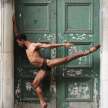

Back in the winter of 2015, I laced up my pointe shoes, headed to Bushy Park near Hampton Court Palace, and asked a friend to take a few photos.
That spring, to celebrate my (now inactive) YouTube channel reaching 1,000 subscribers, I posted En Pointe In Public (EPIP)—a short piece about a boy dreaming of dancing en pointe in a world where that wasn’t the norm. The idea was simple: pointe work should be open to anyone with a love for ballet, regardless of gender.
Fast forward five years and many photo shoots later, the concept evolved during COVID. In the summer of 2020, En Pointe In Public 2: The Dying Swan was released.
This time, I wanted the message to carry more weight on multiple levels.
The Dying Swan is a core part of ballet history: It was created in 1905 for Anna Pavlova, the mother of the modern pointe shoe, who (supposedly) died after refusing surgery that would have left her unable to dance.
The piece has evolved over time, but it remains a role dancers around the world aspire to perform.
And finally, I wanted it to speak from a Black perspective. Set in London, the former epicentre of the Transatlantic Slave Trade, the piece reflects on the millions of African lives lost. During this awful piece of human history for many, death was the only release. It also marked a turning point for EPIP: the introduction of the tutu.
Filming outside in a tutu for such a long period was deeply uncomfortable, and I’d be lying if I said I feel fully confident even now, five years on. There’s always some uncertainty about what a passerby might say, think, or do.
But ultimately, the combination of pointe shoes and tutu sparked conversations, both online and in person, that continue to inspire me. Hearing that my work challenged or changed someone’s opinion, made them think differently, brought them to tears, or simply brightened their day, gave me the fuel to keep going.
Now, five years on from that first tutu-shaped venture, EPIP evolves again: No stage, no permission . Ballet for anyone and everyone, anywhere and everywhere.
Ballet needs neither pointe shoes nor tutus, neither ballet shoes nor tights.
Making this glorious art form accessible to those who cannot afford to sit inside a theatre for whatever reason, or to those unsure if ballet is “for them" has become a new purpose behind me causing mayhem outside in whatever city I stumble across.
Still, at the heart of my work is the desire to challenge gender norms in ballet. That’s why I continue to dance primarily “female” solos under this new identity, because that original fire hasn’t gone out. It’s just grown louder.
About the Creator
Keep reading
More stories from Kadeem Hosein and writers in Art and other communities.
'Till Death We Do Art
There would be nothing divine in this world without art. Nature may surpass the divine to all intents and purposes, but like everything it absorbs and is absorbed by, it remains here, stuck on the surface of this world, ever-present, physically bound to the universe.
By Avocado Nunzella BSc (Psych) -- M.A.P 21 days ago in Art
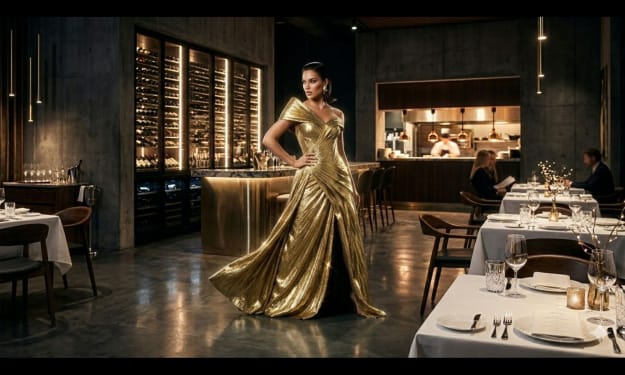
The Dress That Broke the Internet Was Gold and Nobody Could Agree on Why
She walked into the room and everything stopped. Not because of her confidence or music that was playing, though there was plenty of that. Everything stopped because of the dress. Floor-length, liquid, blazing gold, it caught every light in the room and threw it straight back.
By CurlsAndCommas6 days ago in Art


Comments
There are no comments for this story
Be the first to respond and start the conversation.