
Backpack History: From Primitive Carrying Tools to Everyday Essentials
Backpack History: Evolution from Ancient Gear to Modern Essential | Backpacks Wizard
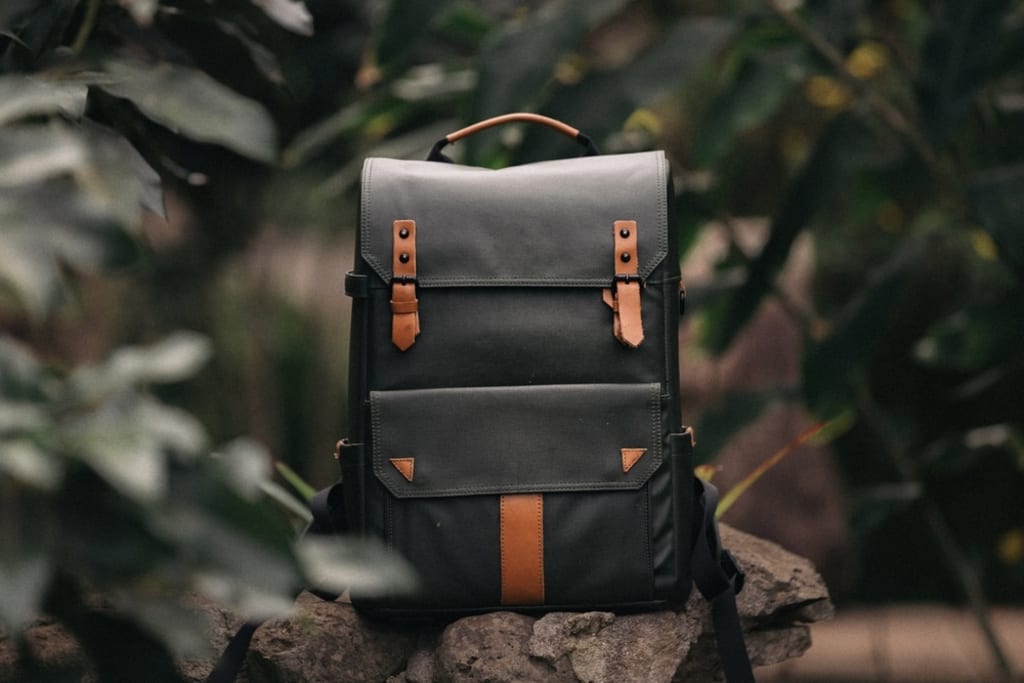
Backpacks have become a universal part of our daily lives—whether you're a student, a hiker, a traveler, or a commuter, chances are you've relied on a backpack at some point. But have you ever stopped to wonder where it all started? The fascinating backpack history stretches back thousands of years, evolving alongside human needs, materials, and cultural trends. Today at Backpacks Wizard, we’re diving deep into the timeline of backpack history to uncover how this essential item has transformed from a rudimentary sack to a high-tech, ergonomic necessity.
Early Origins of Backpacks
Backpack history can be traced all the way back to prehistoric times. The oldest known backpack dates back to around 3300 BCE and was discovered with the famous ice mummy Ötzi the Iceman in the Alps. Alongside his belongings, archaeologists found a primitive wooden frame likely used to carry gear—arguably the first known prototype of the modern backpack.
These early “backpacks” weren’t made for style or convenience but for survival. Primitive humans needed a way to carry their tools, food, and materials over long distances, and the best solution was to strap their belongings to their backs using leather, animal hides, and wooden frames.
Backpacks in the Ancient World
As civilizations advanced, so did backpack designs. In ancient Egypt, Greece, and Rome, soldiers used various carrying packs made from cloth or leather, tied to sticks or worn across the back. Though not backpacks in the modern sense, these were functional gear carriers for armies on the move.
During the Middle Ages, European hunters and shepherds began using more refined packs. These often involved a pouch tied around the waist or slung over the shoulders. Monks, too, carried books and scrolls in bags that resembled the satchels and rucksacks we know today.
The Birth of the Modern Backpack
The true evolution of backpack history begins in the 19th and early 20th centuries. This period marked the start of recreational hiking and military innovation—two major forces that would shape the modern backpack.
In 1877, Norwegian inventor Ole Bergan developed a more structured carrying frame after becoming frustrated with shoulder pain during long treks. His innovation used a curved wooden frame to better fit the human spine—a major breakthrough in backpack ergonomics.
Around 1909, American outdoorsman Camille Poirier patented a “Duluth Pack” made of canvas and leather with a tumpline (a head strap). These early packs were rugged, simple, and used mainly for outdoor adventures and canoe trips.
Military Influence on Backpack History
Backpacks underwent dramatic changes during World War I and World War II. Soldiers needed efficient ways to carry gear, ammunition, and supplies, leading to the widespread production of military backpacks.
In WWI, soldiers used canvas rucksacks with external straps and compartments. By WWII, designs included internal frames and advanced pocket systems, and materials improved for durability and weight reduction.
Many of today’s tactical backpacks trace their roots to these military origins, with modular systems like MOLLE (Modular Lightweight Load-carrying Equipment) evolving from wartime necessities.
Post-War Innovation and the Rise of Nylon
After the wars, backpack history saw a major leap with the introduction of nylon in the 1950s. Unlike canvas, nylon was lightweight, water-resistant, and easier to mass-produce. This innovation changed the game for outdoor enthusiasts.
One of the biggest names in this period was Gerry Cunningham, who created one of the first zippered backpacks using nylon. By the 1960s and 1970s, the backpack became an essential tool for climbers, hikers, and campers. External frames gave way to internal frames, offering better balance and weight distribution.
The Backpack Goes to School
Perhaps one of the most significant developments in backpack history was its shift into everyday life—especially in the educational system. Before the 1980s, students typically carried books in briefcases, tote bags, or by hand. Backpacks weren’t common in classrooms until forward-thinking brands like Jansport and Eastpak began marketing them to students.
With the rise of college campuses and youth culture, the student backpack exploded in popularity. Padded shoulder straps, compartments, and zippers became the norm. By the 1990s, the backpack was no longer just for hikers—it was a daily necessity for kids, teens, and adults alike.
Tech and Travel: Backpacks in the 21st Century
Today, the story of backpack history continues with modern demands. As technology has transformed our lives, backpacks have evolved to meet new needs.
Laptop backpacks emerged with dedicated padded compartments for electronics.
Anti-theft backpacks feature hidden zippers and RFID-blocking pockets for urban travelers.
Rolling backpacks add wheels and handles for airport convenience.
Eco-friendly backpacks are made from recycled plastics and sustainable fabrics.
Smart backpacks now offer USB charging ports and solar panels.
Even the fashion world has embraced the backpack, with luxury brands like Gucci, Prada, and Louis Vuitton offering designer models.
Cultural Impact of Backpacks
Backpacks are more than just bags—they’re cultural icons. Think about the classic JanSport backpack, a staple in American high schools. Or the rugged Herschel Supply Co. packs, beloved by urban creatives. Even the simple military-style ALICE packs have cult followings.
In films, games, and television, backpacks symbolize adventure and self-reliance. From Dora the Explorer’s talking backpack to video game characters hauling supplies across wastelands, the image of the backpack carries powerful meaning.
Backpack History at a Glance
To summarize the long journey of backpack history:
3300 BCE – Ötzi the Iceman’s wooden frame pack.
19th century – Recreational hiking inspires better designs.
WWI & WWII – Military innovation drives backpack evolution.
1950s-60s – Nylon and zippers revolutionize materials.
1980s-90s – Backpacks become a school essential.
2000s-present – Tech, fashion, and sustainability redefine the modern backpack.
The Future of Backpacks
What’s next in the timeline of backpack history? We may soon see:
AI-integrated backpacks that track location and weight.
Adjustable robotic frames for weight distribution.
Custom-fit 3D-printed backpacks tailored to each user’s back.
Whatever the future holds, it’s clear that backpacks will remain essential tools, blending practicality, fashion, and innovation.
Conclusion: Why Backpack History Matters
At Backpacks Wizard, we believe understanding backpack history helps us appreciate how far we’ve come—and where we’re going. The humble backpack has evolved from prehistoric survival gear to an indispensable part of modern life. Whether you're trekking through mountains, commuting to work, or heading to school, your backpack is carrying more than just items—it's carrying a legacy.
Next time you zip up your favorite pack, take a moment to remember the incredible journey behind it.
About the Creator
Keep reading
More stories from hamza awan and writers in Art and other communities.
How to Stop Glasses Slipping Down Nose: Tips That Actually Work
Few things are more annoying for glasses wearers than constantly pushing their frames back up. If you’ve ever struggled with your spectacles sliding down your face throughout the day, you’re not alone. It’s one of the most common complaints among eyeglass users. Whether you're walking, sweating, looking down, or just going about your day, a slipping pair of glasses can become a real nuisance. Fortunately, there are simple and effective ways to fix the problem.
By hamza awan9 months ago in Art
Valentino Garavani
In the golden age of couture, when fashion was less about speed and more about soul, one name quietly rose to become synonymous with timeless elegance: Valentino Garavani. To speak of Valentino is to speak of romance, discipline, beauty, and a lifelong devotion to the art of dressing the world’s most admired women.
By S.A Charlesabout 18 hours ago in Art




Comments
There are no comments for this story
Be the first to respond and start the conversation.