
Art That Stopped Time How the World’s Most Unique Creations Captivate the Human Soul
From sand mandalas to sky sculptures, these rare global art forms reveal what it truly means to feel alive.
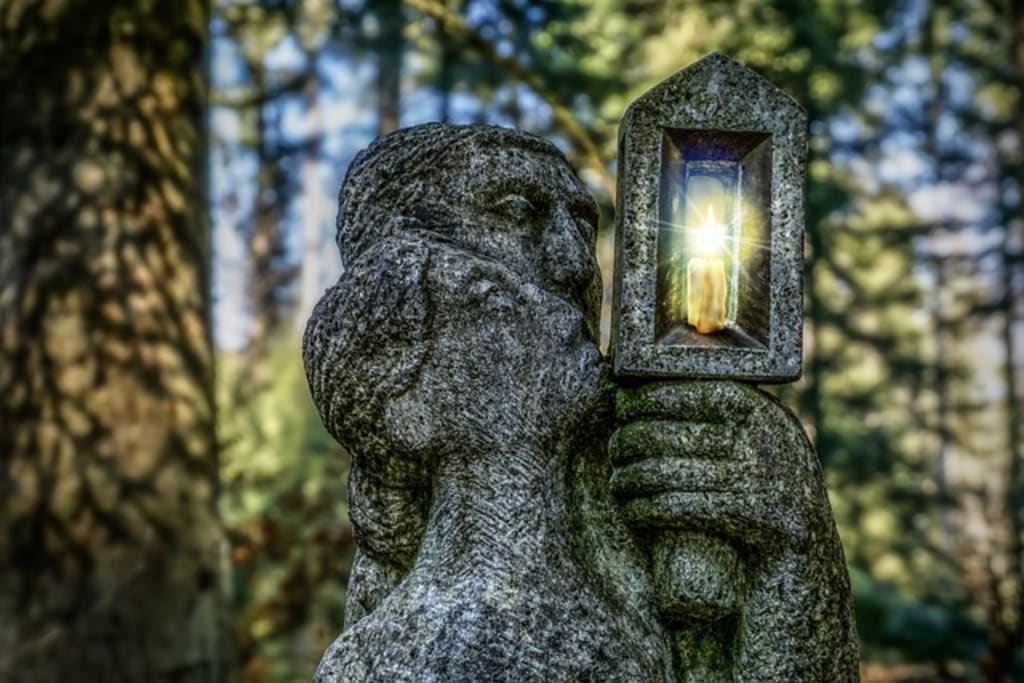
Some art stops you in your tracks.
Other art stops time itself in its tracks—just for you.
That's the sort of art this article is about.
Not the painted oil masterpieces you see in quiet museums, but the breathing, living, unorthodox works of art spread over cultures and continents. Art that does not just appeal to your eyes, but to your heart.
Let's go around the globe to visit some of the most unusual art forms that have fascinated, baffled, and touched human beings for centuries. They are not mere works of art. They are experiences—moments when man meets magic.
1. Sand Mandalas – Tibet and Nepal
Monks in the monasteries of Nepal and Tibet spend weeks crafting intricate geometric designs from colored sand. These are sand mandalas—a sacred art form representing the universe.
Each line, each color, each grain is put down with devotion and intention. And then? They destroy it.
The sweeping away of the mandala isn't tragedy—it's a message. All things in life are transitory. Beauty needs to be enjoyed in the moment. Individuals who have witnessed this ritual tell about it being profoundly emotional, even transformative.
It's art that brings you to tears—because it wasn't ever supposed to last.
2. Floating Umbrella Streets Portugal
In the quaint town of Águeda Portugal, magic occurs each summer. Dozens of winding streets become alive with flying umbrellas—colorful canopies floating overhead like a dream.
It began as a tiny art installation but now brings tourists photographers and artists from around the globe. As the sun beams through the umbrellas the streets beloware transformed into colorful kaleidoscopes.
Locals stroll a bit more slowly. Tourists glance up and smile. It's unexpected art in an unexpected place that puts everyone in a childlike state again.
3. Kintsugi Japan
In Japan when a ceramic bowl cracks it's not discarded. It's fixed with gold. The cracks are emphasized not concealed with a method known as Kintsugi.
The outcome A bowl more stunning more poignant than before.
Kintsugi is not merely repairing pottery—it's about loving flaws. It's the concept that imperfection is a part of an object's history, and healing can be more beautiful than wholeness.
Most who have witnessed or done Kintsugi report a change in perspective on failure and scars—in life in relationships even in themselves. It's art therapy strength and poetry all rolled into one.
4. Body Painting of the Surma People Ethiopia
Deep within the Omo Valley of Ethiopia Surma and Mursi tribes paint the human body. With natural pigments found in soil flora and clay they create their faces and bodies with stunning designs—geometric animal-like or abstract.
It is a display of identity courtship and expression. It changes every day and is inspired by the nature that surrounds them—leaves flowers even insect wings.
To outsiders it's breathtaking. To the Surma it's just life. Art here is not something you see. It's something you are.
5. The Singing Ringing Tree England
On a hilltop in Lancashire England stands a sculpture that does not stand still it sings.
This is not visual art—it's elemental art. You feel it in your skin and hear it in your bones.
Why This Kind of Art Matters
These rare kinds of art don't pursue fame or fortune. They're not interested in galleries or prices at auction. Their mission is more straightforward—and profound.
They remind us
That beauty is fleeting—but that makes it more potent.
That imperfections are not shameful—they're golden.
That art isn't limited to walls but also under umbrellas in shattered bowls and in breezes.
In a world hasty to digitize these glacial odd and soulful art forms remind us of something tangible. Something human.
They compel humans to halt Gaze Sense And in that momentary stall something is transmuted.
Last Thought
Art does not need to be renowned to be indelible.
It does not need to be exhibited in a museum to alter your life.
At times, it's a monk sweeping sand in silence.
A street full of color.
A wind causing a sculpture to sing.
And when you see it—when you feel it—you know
this is why we create.
This is what it means to be alive.
About the Creator
Siddharth Kamble
Siddharth Kamble
My mission is to educate, inspire, and spark meaningful conversations through well-researched stories that connect communities and bring clarity to complex topics.
Keep reading
More stories from Siddharth Kamble and writers in Art and other communities.
'Till Death We Do Art
There would be nothing divine in this world without art. Nature may surpass the divine to all intents and purposes, but like everything it absorbs and is absorbed by, it remains here, stuck on the surface of this world, ever-present, physically bound to the universe.
By Avocado Nunzella BSc (Psych) -- M.A.P 28 days ago in Art
Anthony Zappin: The Abstract Genius Who Painted with Courage
Anthony Zappin’s journey from Huntington, West Virginia, to becoming a recognized abstract artist is a story of originality, resilience, and fearless creativity. Born on August 25, 1985, Zappin grew up with a fascination for art that shaped his destiny. From childhood, he insisted on visiting museums and galleries, absorbing the works of great artists and imagining himself one day among them.
By Anthony Zappinabout 7 hours ago in Art
A Transparent Look at Vocal Challenges and Top Stories
Almost three years ago, we shared a resource article that served as a place for people to suggest new challenge prompts. We thought it would be a good idea to refresh that thread, and take the opportunity to answer a few common questions about top stories, how challenges are judged and how submissions are reviewed.
By Vocal Curation Team4 days ago in Resources



Comments
There are no comments for this story
Be the first to respond and start the conversation.