
Art or Fate
Exploring the Boundaries of Art and Faith: The Incendiary Debate Surrounding Controversial Expressions
Introduction:
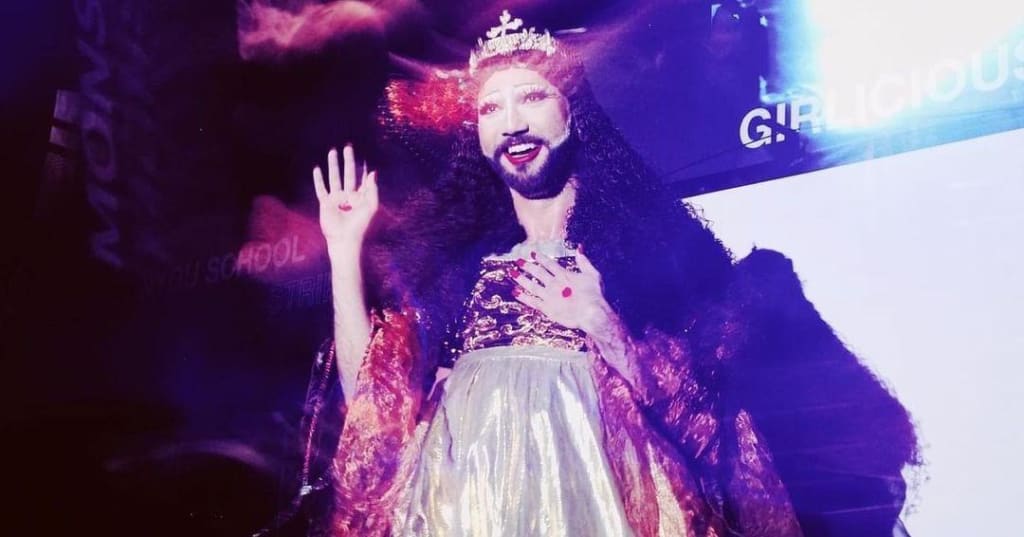
Art and faith, two realms esteemed for their ability to evoke profound emotions, have often found themselves interwoven in a constant conversation throughout history. While art serves as a medium to express emotions, provoke thought, and challenge societal norms, faith encompasses deeply held beliefs, values, and the search for spiritual meaning. In this article, we delve into the captivating yet contentious relationship between art and faith, examining a particularly controversial incident involving a drag queen's portrayal of Jesus, which raises questions about the limits of artistic freedom.
The Intersection of Art and Faith:
Art and faith have long shared common ground, with countless works of art being inspired by religious motifs and themes. From the Renaissance masterpieces depicting biblical scenes to stunning cathedrals, religion has often served as a muse for artists seeking to portray spiritual transcendence. However, this relationship is not without tension, as some religious sects have historically frowned upon certain forms of artistic expression, perceiving them as disrespectful or sacrilegious.
Exploring Controversy:
In recent years, the boundaries between art and faith have been tested, prompting intense debates about the limits of creative expression. One such case that sparked considerable controversy involved a drag queen performance that depicted Jesus in a satirical manner. The performance, viewed by some as an artistic exploration of religious iconography, was met with outrage by others who felt it disrespectful and offensive to their faith.
Art as Provocation:
Critics argue that art has always possessed the power to challenge societal conventions, provoke discussion, and even discomfort viewers. In this light, some advocates assert that the drag queen's portrayal of Jesus can be seen as a thought-provoking commentary on the intersection of queerness and religion. They contend that art should be free to explore even the most sacred of subjects in order to challenge preconceived notions and initiate dialogue.
The Impact on Faith Communities:
On the other side of the debate, those who find the performance irreverent argue that such artistic expressions undermine the sanctity of faith and are tantamount to blasphemy. They assert that while artistic freedom is crucial, it should not come at the expense of deeply held religious beliefs. For these individuals, the sacredness of religious figures and symbols must not be subjected to mockery or disparagement.
Navigating Artistic Freedom:
As society navigates the complexities at the intersection of art and faith, the question arises: where should the boundaries of artistic freedom be drawn? Some argue for a more permissive approach, advocating that artists should have the right to explore and challenge all aspects of human experience, including religion. Others contend that artists ought to exercise a measure of sensitivity and respect, recognizing that religious symbols hold deep meaning for many.
The Importance of Dialogue:
Regardless of one's position on this contentious issue, it is crucial to foster meaningful dialogue and understanding between artists and faith communities. By engaging in respectful conversations, opportunities emerge for artists to address religious concerns and for faith communities to appreciate different perspectives on art. Encouraging dialogue can contribute to a more nuanced understanding of both art's potential impact and the significance of faith in society.
Conclusion:
The dynamic relationship between art and faith has been a subject of captivating discourse for centuries, prompting a multitude of perspectives on how these two realms should coexist. As demonstrated by the controversial drag queen performance depicting Jesus, clashes can arise when artistic expression pushes the boundaries of what is considered acceptable. Rather than providing definitive answers, this debate invites us to critically examine the intricate relationship between art and faith, reminding us to embrace dialogue, empathy, and mutual respect as we navigate the multifaceted nature of creative expression.
About the Creator
Keep reading
More stories from writers in Art and other communities.
Arnold Clark Photography… The Pinnacle in High School Senior Portraits
Arnold Clark Photography sits on 24th Street in Omaha Nebraska, its front windows glowing softly long after most shops have gone dark. From the outside, it looks timeless with clean lines and framed portraits that hint at decades of stories. Inside, it is anything but stuck in the past.
By ArnoldClark Photography7 days ago in Art
🅼🅸🅳🅽🅸🅶🅷🆃 🆂🅽🅰🅲🅺🆂
"It's 10 in Tuscon! We all know what that means... It's Time for Midnight Snacks with your man, Gerald Gee! Ready to spend the night together? Me too! I'm full of snacks and can't wait to regurgitate them all back into your hungry ears. Crack a brew! Pop some corn! Anything to get ready for one hell of a show where the talk maybe cheap but the words cut deep...
By Lamar Wiggins5 days ago in Fiction



Comments
There are no comments for this story
Be the first to respond and start the conversation.