
Antarctica’s Unique Wildlife and Hardy Plants: Surviving the Frozen Continent
The Icy Realm of Antarctica
Antarctica the southernmost continent, is a land of extremes—bitter cold, fierce winds, and months of darkness. Yet, despite these harsh conditions, a surprising variety of animals and even a few resilient plants have adapted to survive here. Unlike the Arctic, which is home to polar bears and vast tundra, Antarctica’s ecosystem is dominated by marine life, seabirds, and microscopic organisms that thrive in one of the most inhospitable places on Earth.
This article explores the incredible wildlife and plant life of Antarctica, revealing how they endure the extreme environment and the challenges they face due to climate change.
Antarctic Animals: Masters of Survival
1. Penguins: The Iconic Birds of the South
Penguins are perhaps the most famous Antarctic residents. Of the 18 penguin species worldwide, only a few call Antarctica home, including:
Emperor Penguins – The largest penguin species, known for their remarkable breeding habits. Males endure the brutal winter, balancing eggs on their feet to keep them warm.
Adélie Penguins – Smaller and feistier, these penguins thrive on the Antarctic coast, feeding on krill and fish.
Chinstrap Penguins – Recognizable by the thin black line under their chin, they nest on rocky shores.
Penguins rely on the ocean for food, diving deep to catch fish, squid, and krill. Their thick layers of fat and waterproof feathers help them survive freezing temperatures.
2. Seals: Powerful Predators of the Southern Ocean
Several seal species inhabit Antarctic waters, using the ice as resting and breeding grounds:
Weddell Seals – Expert divers, capable of staying underwater for over an hour to hunt fish.
Leopard Seals – Fierce predators that hunt penguins and even other seals.
Crabeater Seals – Despite their name, they primarily eat krill, using specialized teeth to filter them from the water.
Elephant Seals – Massive in size, with males weighing up to 4,000 kg (8,800 lbs).
These seals have thick blubber to insulate against the cold and can slow their heart rates to conserve oxygen during long dives.
3. Whales: Giants of the Antarctic Waters
Antarctica’s nutrient-rich waters attract several whale species, including:
Blue Whales – The largest animals on Earth, feeding almost exclusively on krill.
Humpback Whales – Known for their acrobatic breaches and complex songs.
Orcas (Killer Whales) – Apex predators that hunt seals, penguins, and even other whales.
Whales migrate to Antarctica in summer to feast on abundant krill before returning to warmer waters to breed.
4. Krill: The Tiny Powerhouse of the Antarctic Food Web
Though small, Antarctic krill (Euphausia superba) play a massive role in the ecosystem. These shrimp-like crustaceans form swarms so large they can be seen from space. Nearly every Antarctic animal—from penguins to whales—depends on krill for survival.
Antarctic Plants: Life on the Frozen Edge
Unlike the Arctic, Antarctica has no trees or shrubs. The extreme cold, ice cover, and lack of soil make plant life scarce. However, a few hardy species manage to survive:
1. Lichens and Mosses: The Only Land Plants
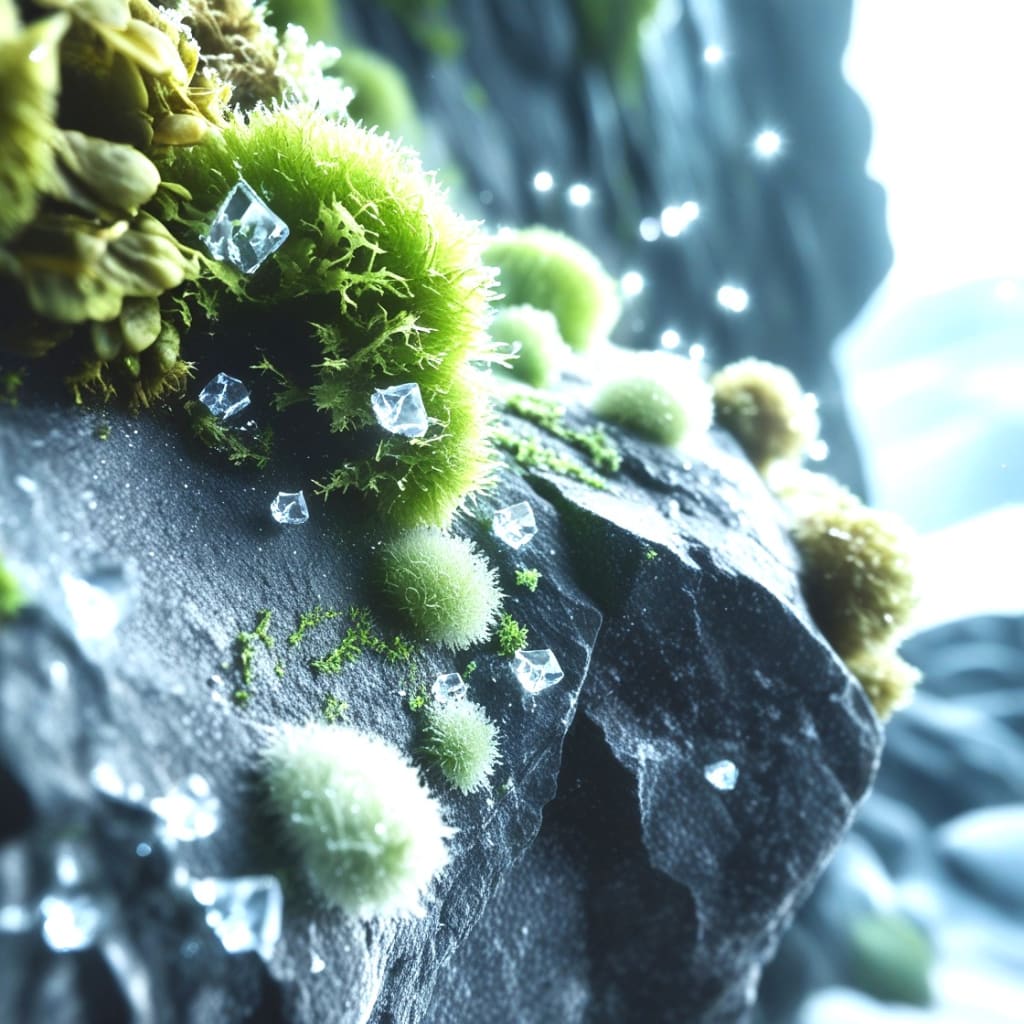
With no true soil, only lichens and mosses grow on Antarctica’s rocky surfaces:
Lichens – A symbiotic combination of fungi and algae, they can survive extreme dehydration and freezing. Some Antarctic lichens are over 5,000 years old!
Mosses – Found in the slightly warmer Antarctic Peninsula, they grow in damp areas during the short summer.
2. Algae: The Hidden Life in Ice and Snow
Microscopic algae thrive in unexpected places:
Snow Algae – Turns snow pink or green in summer.
Ice Algae – Grows underneath sea ice, providing food for krill.
Freshwater Algae – Found in lakes that remain liquid beneath the ice.
3. Marine Plants: The Underwater Forests
While land plants are rare, Antarctica’s coastal waters host:
Phytoplankton – Microscopic plants that form the base of the marine food chain.
Seaweed & Kelp – Grow in shallow waters where sunlight penetrates.
Threats to Antarctica’s Wildlife and Plants
Despite its isolation, Antarctica faces growing threats:
Climate Change – Warming temperatures melt ice, reducing habitat for seals and penguins.
Overfishing – Krill harvesting threatens the entire food web.
Pollution – Plastic waste and oil spills harm marine life.
Invasive Species – As temperatures rise, non-native plants and animals could disrupt the fragile ecosystem.
Conservation efforts, such as marine protected areas and krill fishing limits, are crucial to preserving Antarctica’s unique biodiversity.
Conclusion: A Fragile Ecosystem Worth Protecting
Antarctica’s animals and plants are marvels of adaptation, surviving where few other life forms can. From towering whales to microscopic algae, each species plays a vital role in this frozen ecosystem. However, human activities and climate change put this delicate balance at risk. Protecting Antarctica is not just about saving penguins and seals—it’s about preserving one of Earth’s last untouched wildernesses for future generations.
By understanding and appreciating Antarctica’s wildlife, we can take steps to ensure this icy continent remains a haven for its incredible inhabitants.
About the Creator
Keep reading
More stories from Rocky Brahma and writers in Art and other communities.
The Reasons Behind the War Between Israel and Hamas
The ongoing conflict between Israel and Hamas is one of the most protracted and complex disputes in modern history. The roots of this war stretch back decades, involving territorial disputes, religious tensions, political ideologies, and failed peace efforts. To understand why these two sides remain locked in a cycle of violence, we must examine the historical background, key grievances, and triggering events that have fueled the hostilities.
By Rocky Brahma8 months ago in Art
Dog Shoes for Small Dogs and Puppy Shoes A Practical, Paw-Friendly Guide
Small dogs and puppies may look tough, but their paws often need more protection than people realize. Their bodies are lighter, their paws are smaller, and many of them spend a lot of time on surfaces that were never designed for delicate paw pads. Add cold sidewalks, hot pavement, rough gravel, wet grass, or even slippery indoor floors, and you start to see why dog footwear has become more than just a cute trend.
By aliyashahzadi3 days ago in Art
Every Brushstroke Was a Wish
In the small, quiet town of Avelar, there was a woman named Lena who painted with the kind of passion that only the truly lost could understand. Her cottage was perched at the edge of a vast forest, the kind of place where the whispers of the trees seemed to reach through the windowpanes, mingling with the rhythm of her brush against canvas. People in the town would pass by and sometimes glance at the paintings displayed in her window. But few, if any, understood the soul of her work.
By Jhon smith2 days ago in Art



Comments
There are no comments for this story
Be the first to respond and start the conversation.