
Anne Boleyn and the Mystery of the Lumley Portrait
Missing Art

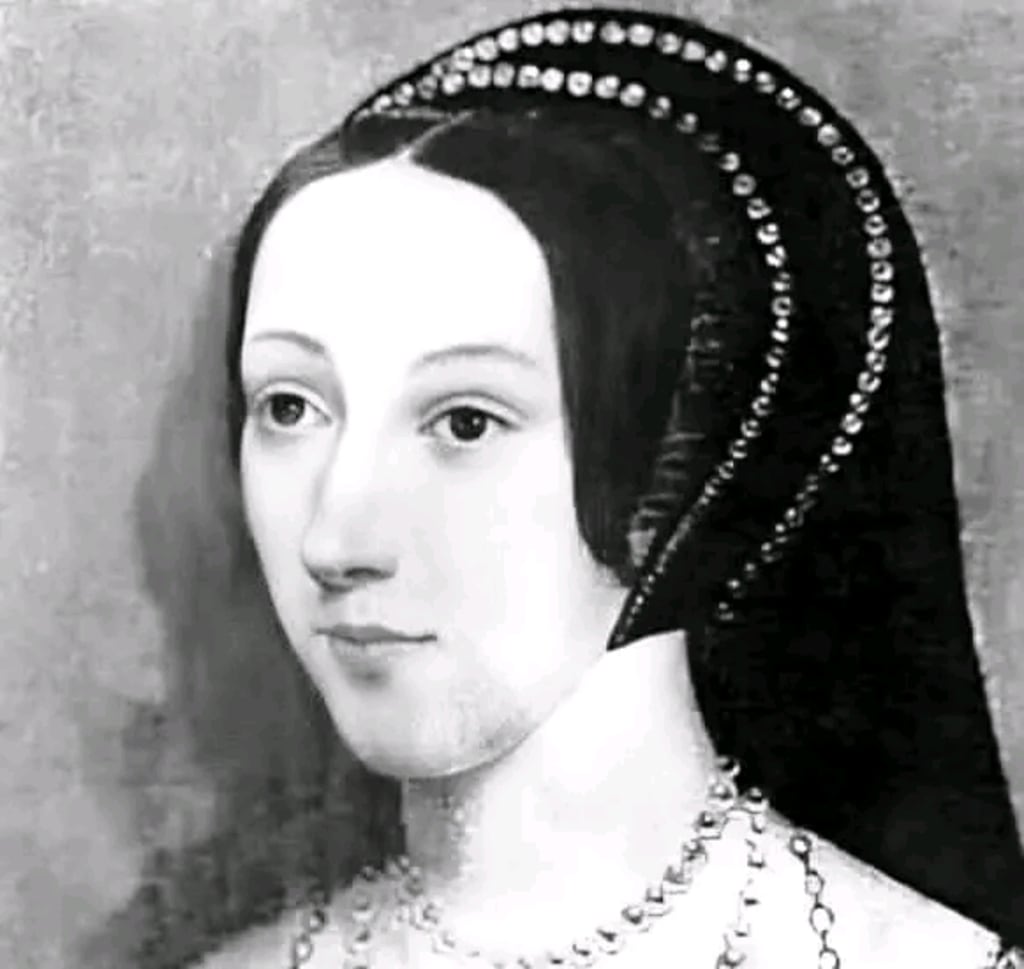
Anne Boleyn, one of the most enigmatic figures in English history, continues to fascinate historians and enthusiasts alike. As the second wife of King Henry VIII and the mother of Elizabeth I, her story is marked by ambition, passion, and tragedy. Yet, while her life has been the subject of extensive study, the visual representation of Anne has long been shrouded in mystery.
Most contemporary portraits of Anne Boleyn were destroyed after her dramatic fall from grace and execution in 1536, as Henry VIII sought to erase her legacy. This has led to a centuries-long debate over what Anne truly looked like. One of the most tantalizing pieces of this puzzle is the mysterious "Lumley Portrait," rumored to be a full-length painting of Anne from life. Though lost to history, hints of its existence have reemerged over the years, offering a glimmer of hope that the true likeness of Anne Boleyn may yet be uncovered.
Anne Boleyn and Her Portraits: A History of Destruction
Anne Boleyn’s rise to prominence at the English court in the early 16th century would have made her a subject of numerous portraits. As a noblewoman, a lady-in-waiting to Queen Catherine of Aragon, and later the queen herself, Anne was at the center of courtly life, where commissioning portraits was common practice.
However, Anne's downfall was as swift as her rise. After failing to provide Henry VIII with a male heir and being accused of adultery, incest, and treason, she was executed on May 19, 1536. Following her death, Henry sought to obliterate her memory, ordering the destruction of her portraits and other likenesses.
As a result, no verified contemporary image of Anne Boleyn is known to survive today. The popular depictions of Anne, such as the well-known 16th-century portrait showing her with a dark gown and "B" necklace, are believed to be later reconstructions based on oral tradition rather than direct observation.
The Lumley Portrait: A Glimpse into the Past
The Lumley Portrait takes its name from John Lumley, 1st Baron Lumley (c. 1533–1609), an English nobleman and collector of art. Lord Lumley owned an extensive collection of portraits, many of which were of historical figures and members of the Tudor court. Among his possessions, there was said to be a full-length portrait of Anne Boleyn, reportedly painted during her lifetime.
Records suggest that the Lumley Portrait was a striking image, capturing Anne’s features with remarkable detail and precision. Some accounts describe her as having an oval face, dark eyes, and black hair, consistent with written descriptions of her appearance.
Unfortunately, the portrait is believed to have disappeared in the late 18th century, leaving only rumors of its existence. Over time, it became a legend among historians and art enthusiasts, a tantalizing possibility that the true likeness of Anne Boleyn might one day be rediscovered.
The 1920 Photograph: Clues to the Lumley Portrait
The story of the Lumley Portrait took an intriguing turn in 1920, when a photograph of a portrait claimed to be of Anne Boleyn surfaced. The image, allegedly taken before the original painting was lost, reignited interest in the search for the Lumley Portrait.
The photograph shows a woman in a richly embroidered gown, with a striking resemblance to the descriptions of Anne Boleyn. However, its authenticity has been hotly debated. Some experts argue that the painting depicted in the photograph could indeed be the lost Lumley Portrait, while others suggest it might be a misidentified or unrelated work.
The photograph remains an enigma, with no definitive evidence linking it to Anne Boleyn or the Lumley collection. Still, its existence has fueled speculation and inspired ongoing research into the lost portrait.
Why the Lumley Portrait Matters
The rediscovery of a contemporary portrait of Anne Boleyn, particularly one as significant as the Lumley Portrait, would have profound implications for both art history and Tudor scholarship.
1. A Visual Connection to History: A verified image of Anne would provide a direct visual link to one of England’s most famous queens. It would help us better understand her presence and how she was perceived by her contemporaries.
2. Challenging Modern Perceptions: Many of the posthumous depictions of Anne have been influenced by the narratives of her enemies. A contemporary portrait could challenge these depictions and offer a more balanced view of her character and legacy.
3. Reclaiming Her Story: Anne Boleyn has often been remembered as a controversial figure. The rediscovery of her likeness would symbolize a reclamation of her story, allowing us to see her as more than just a tragic queen.
The Ongoing Search for Anne’s Likeness
The mystery of the Lumley Portrait is part of a broader effort to uncover Anne Boleyn’s true image. Advances in technology, such as facial recognition and art restoration, have made it possible to reevaluate existing portraits and artifacts for clues. Additionally, historians and researchers continue to comb archives and private collections for any trace of the lost painting.
Conclusion
Anne Boleyn’s story is one of power, ambition, and ultimate tragedy. The loss of her portraits after her fall from grace underscores the lengths to which her enemies went to erase her legacy. Yet, her enduring influence and the fascination she inspires have ensured that her memory lives on.
The Lumley Portrait, whether lost or hidden, represents a tantalizing possibility: the chance to see Anne as she truly was, in the eyes of those who knew her. Until it is found—or definitively proven to be lost—the search for the Lumley Portrait remains a captivating chapter in the ongoing quest to unravel the mysteries of Anne Boleyn’s life and legacy.
About the Creator
Keep reading
More stories from Deji Akomolafe and writers in Art and other communities.
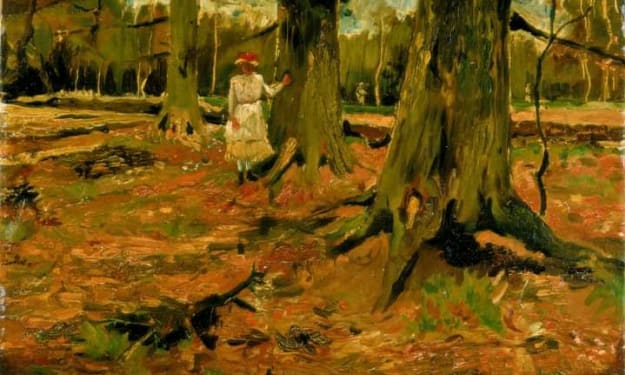
Van Gogh’s Forest Floor: A Masterpiece Born from the Earth
Vincent van Gogh, one of history's most celebrated artists, often found inspiration in nature, translating its raw beauty into vibrant works of art. Among his many masterpieces, one painting stands out for its unique perspective and connection to the earth itself. Believed to have been created while Van Gogh was kneeling, this painting captures the forest floor in stunning detail, offering a glimpse into his creative process and intimate relationship with nature.
By Deji Akomolafeabout a year ago in Art
21 Freelancing Tips to Build a Successful Career (From Someone Who Actually Did It)
TL;DR version (60 seconds read time) + Paypal receipt at the end of the blog. I’ve made thousands of dollars with freelancing. See screenshots at the end of the post. Everything I say to you, I’ve tested it first on myself.
By Dena Falken Esqa day ago in Art
Impressive Artwork by Odilon Redon
French symbolist artist Odilon Redon was famous for his drawings in the 1880s. The artist’s artworks were mentioned in the popular 1884 novel “A Rebours,” or “Against the Grain,” by Joris-Karl Hysmans. His later artworks were created in oils and pastels. He developed an interest in Hinduism and Buddhism, and this interest in mysticism is reflected in his works of art.
By Rasma Raisters7 days ago in Art
Wild Card Weekend Recap: What Happens Now?
I think I figured out why I love Wild Card Weekend so much. It's because it's the first playoff anything of the calendar year. The NFL season starts in the fall, and once upon a time, the champion was crowned either on or slightly before New Year's. The evolution of the NFL schedule has resulted in the playoffs starting just into the New Year, and currently, the final week of the season falls on the first weekend of the New Year, with Wild Card Weekend coming a week after that. So yes, chronologically, the NFL's Wild Card Weekend serves as the first playoff anything of the calendar year.
By Clyde E. Dawkins8 days ago in Unbalanced



Comments
There are no comments for this story
Be the first to respond and start the conversation.