
Ancient Beds vs. Modern Beds: Journey Through Time in Comfort and Design
sleep
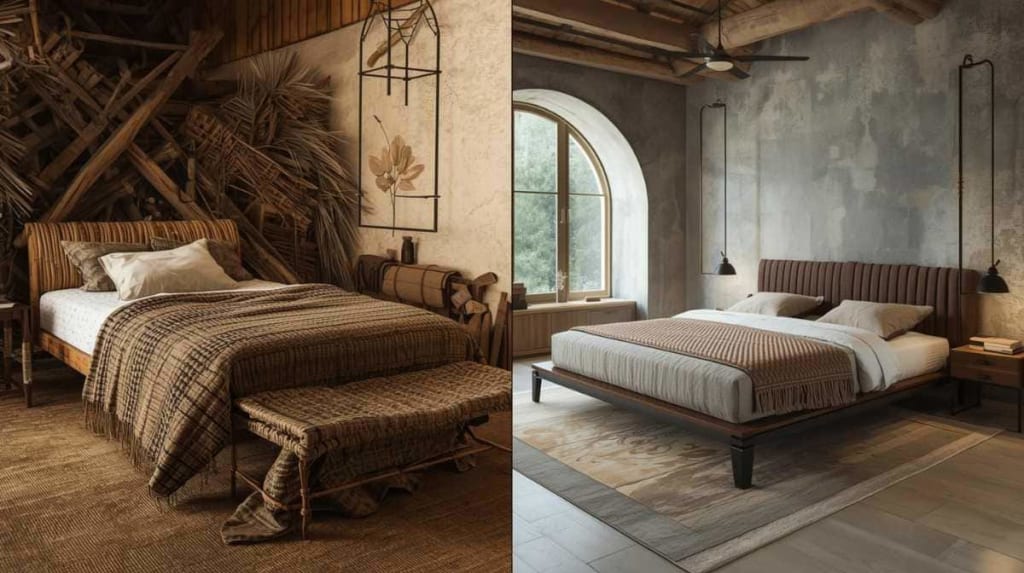
Beds are an essential part of our everyday lives, providing a place of rest, relaxation, and rejuvenation. But the evolution of the bed has been a fascinating journey from ancient, primitive sleeping arrangements to the technologically advanced, comfortable beds we enjoy today.
Ancient people did not have the luxury of memory foam or adjustable frames, but they were creative in designing their sleeping spaces to suit the limited resources available to them. As we look at the history of beds, we can see how the shift in societal needs, technological advancements, and an understanding of comfort and health have shaped the beds of today.
Ancient Beds: Simplicity, Functionality, and Cultural Significance
In the early days of civilization, beds were primarily functional. Comfort was secondary to survival, and sleep was considered more of a necessity than an indulgence. Ancient peoples relied on natural materials and crafted simple yet practical sleeping arrangements that often reflected their available resources and cultural norms.
Ancient Egypt: The First Raised Beds
The ancient Egyptians were among the first to introduce the concept of a raised bed. Wealthier Egyptians used wooden bedsteads, often elevated off the ground. These beds featured slatted frames to provide ventilation and avoid dampness or the intrusion of insects. Most of the time, these beds were furnished with linens, leather, and a mattress made from papyrus or cotton. Common Egyptians, however, would sleep on reed mats or simple platforms made of straw, as they did not have access to the luxurious materials used by the elite.
Egyptian beds were more about protection from the elements, like humidity, pests, and the cold, than comfort. They served the purpose of getting people off the cold or damp ground, a step forward from sleeping directly on the floor. However, these early beds did not offer the support or softness we associate with today’s mattresses.
Ancient Greece and Rome: Comfort and Status
By the time of the ancient Greeks and Romans, sleeping arrangements began to evolve further. The Greeks, known for their contributions to philosophy and culture, introduced the use of mattresses. These were made from organic materials like hay, wool, or feathers, stuffed into cloth bags. These mattresses were often placed on wooden or metal frames and designed for reclining or sitting during the day, serving as both furniture and a place to rest.
Romans, on the other hand, had a more refined approach to their sleeping arrangements. Wealthy Romans used beds made of wood or metal and adorned with decorative elements like carvings or inlays. Their mattresses were often filled with luxurious materials like down feathers or wool. The Romans were among the first to introduce bed canopies, which were not only used for privacy but also provided warmth and comfort.
However, for the lower class, beds were simple. Most Romans slept on small wooden frames with straw mattresses. The beds were modest, and comfort was secondary. For the common Roman, a bed was a place to sleep rather than a place of luxury or indulgence.
The Middle Ages: Beds as Status Symbols
During the Middle Ages, sleeping arrangements took on a new level of importance, especially among the upper class. Large, imposing four-poster beds with ornate canopies were common among royalty and the wealthy. These beds were often richly decorated with tapestries, heavy curtains, and intricate carvings. The canopies provided privacy and warmth, and the bed itself became a symbol of social status and wealth.
For the common folk, however, sleeping arrangements were much less glamorous. Most peasants slept on simple straw mattresses or hay-filled sacks on the floor. Comfort was not a priority, and sleep was seen as a practical necessity rather than a leisurely activity.
Medieval beds were often designed to offer protection from the cold, especially during long, harsh winters. The use of large bedcovers, blankets, and furs helped to keep people warm, but the focus was on surviving the elements rather than offering luxurious sleep experiences.
Modern Beds: Comfort, Technology, and Personalization
Today, beds are no longer just a functional piece of furniture; they are an integral part of our home environment and overall well-being. Modern beds are designed with comfort, health, and aesthetics in mind. They offer features that allow for personalized sleep experiences, with technology and materials that promote restful sleep.
Technological Innovations: From Basic Frames to Smart Beds
One of the most significant advancements in modern beds is the integration of technology. Today’s mattresses use advanced materials such as memory foam, latex, and hybrid designs, which combine the best aspects of traditional innerspring mattresses with modern foam technologies. Memory foam, for example, responds to body heat and pressure, contouring to the sleeper’s body to reduce pressure points and promote better alignment.
Adjustable bed frames are another technological innovation that has revolutionized the way we sleep. These frames allow users to adjust the position of their head or feet, providing relief for conditions like acid reflux, snoring, and back pain. Adjustable beds not only improve comfort but also offer flexibility for a range of sleeping positions, making them ideal for those with specific health needs.
In recent years, smart beds have entered the market. These high-tech innovations use sensors and sleep-tracking technology to monitor sleep patterns, adjust firmness levels, and even control the temperature. Some smart beds can even connect to apps, allowing users to track their sleep quality and adjust settings based on personal preferences. These advancements have made it easier than ever to get a personalized and restful night’s sleep.
Materials and Comfort: The Modern Mattress Revolution
Today’s mattresses are constructed from a wide variety of materials designed to enhance comfort and support. Memory foam mattresses are known for their ability to reduce motion transfer and provide even support across the body. This makes them ideal for couples or individuals who toss and turn during the night.
Hybrid mattresses, which combine innerspring coils with memory foam or latex layers, offer the best of both worlds. They provide the support and bounce of traditional innerspring mattresses while also offering the comfort and pressure relief of foam. Latex mattresses, made from natural or synthetic rubber, are highly durable, breathable, and resistant to allergens, making them a popular choice for people with sensitivities.
In addition to materials, modern beds often include cooling technology to address one of the most common sleep complaints: overheating. Gel-infused memory foam and breathable fabrics are designed to regulate temperature and keep the sleeper cool throughout the night, ensuring a more comfortable sleep experience.
Design and Aesthetics: A Focal Point of the Bedroom
Modern beds are no longer just functional; they are often the centerpiece of the bedroom. With a wide range of designs available, from sleek platform beds to traditional upholstered frames, people today have more options than ever to match their beds with the overall aesthetic of their rooms.
Unlike the heavy, ornate designs of ancient beds, modern bed frames are typically lighter and more minimalist. Platform beds, which feature a low-profile design without the need for a box spring, are especially popular in contemporary interiors. These beds are often made from wood, metal, or a combination of both and come in a range of styles, from industrial to mid-century modern.
For those who prefer a bit more luxury, upholstered beds with soft, padded headboards are an elegant choice. These beds add an element of comfort and style, creating a cozy, inviting space for sleep.
Comparing Ancient Beds and Modern Beds: A Closer Look
Comfort and Support
In ancient times, comfort was secondary to functionality. Ancient Egyptians and Romans made beds that elevated people off the ground, providing basic protection from the elements. In contrast, modern beds are designed to provide the optimal support for the body. Advanced materials like memory foam, latex, and hybrid technologies help reduce pressure points, align the spine, and promote better sleep posture.
Technology and Innovation
Ancient beds were simple and static, providing a basic surface to sleep on. Modern beds, however, incorporate cutting-edge technology. From adjustable bases to smart beds that track sleep patterns and adjust firmness, the role of technology in modern beds is immense. This allows individuals to personalize their sleep experience in ways that were unimaginable in ancient times.
Design and Aesthetics
While ancient beds were primarily functional, modern beds serve as both functional furniture and a design statement. Today, beds are available in a wide variety of styles and materials, from sleek, minimalist frames to luxurious upholstered designs. They have become a focal point of the bedroom and reflect personal taste, making them an important part of modern interior design.
Conclusion: The Evolution of Sleep
The journey from ancient beds to modern beds is a reflection of how our understanding of comfort, health, and design has evolved over centuries. While ancient people focused on basic protection and functionality, today’s beds are the product of technological advancements and a deeper understanding of what makes for a good night’s sleep.
From simple wooden frames in ancient Egypt to the smart, adjustable beds of today, the evolution of the bed has been shaped by cultural, technological, and practical needs. As we continue to innovate, who knows what the future of sleep and bed design will look like? One thing is clear—our beds will continue to play a central role in our lives, offering more than just a place to sleep, but a space for health, comfort, and rejuvenation.
About the Creator
'Till Death We Do Art
There would be nothing divine in this world without art. Nature may surpass the divine to all intents and purposes, but like everything it absorbs and is absorbed by, it remains here, stuck on the surface of this world, ever-present, physically bound to the universe.
By Avocado Nunzella BSc (Psych) -- M.A.P 28 days ago in Art
Essential Traditional Performance Arts Around the World for Curious Travelers
Traditional performance arts are powerful cultural expressions that connect communities to their history and identity. Through dance, music, theater, and ceremonial storytelling, societies share values, beliefs, and experiences that have shaped their heritage. These performances often combine artistic creativity with historical traditions preserved across generations.
By Producer James Simon5 days ago in Art




Comments
There are no comments for this story
Be the first to respond and start the conversation.