
America's First Professional Black Painter
Unraveling the Artistry of Joshua Johnson

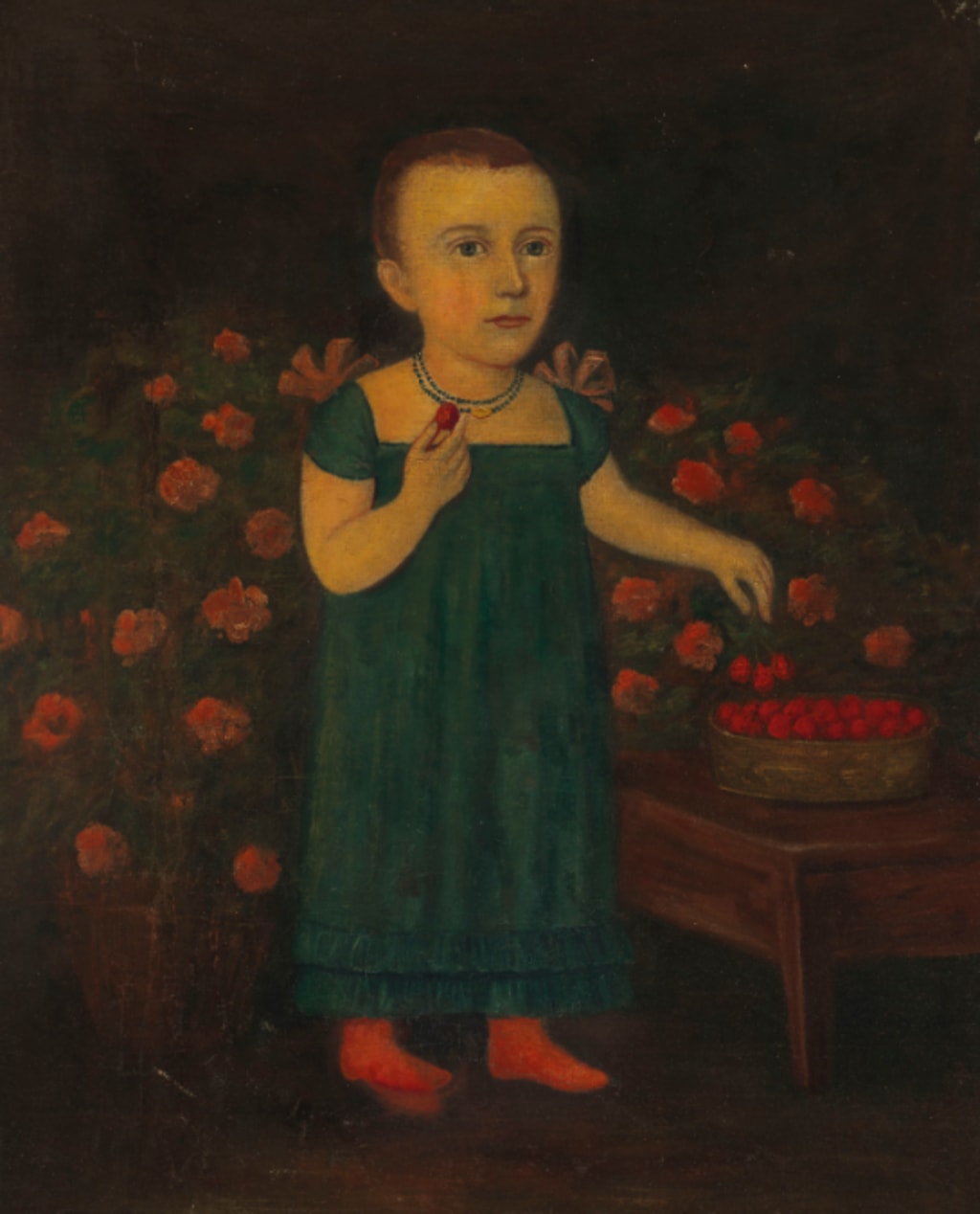
In the realm of American art history, Joshua Johnson stands as a pivotal figure, often regarded as the first professional Black painter in the United States. His life, shrouded in mystery yet imbued with artistic brilliance, offers a glimpse into the complexities of race, identity, and creativity in early America. From his enigmatic beginnings to his enduring legacy, Johnson's journey is a testament to the power of art to transcend boundaries and defy societal norms.
Little is known about Joshua Johnson's early life, adding an air of mystique to his biography. What is certain is that he was born into slavery, likely in Maryland, around 1763. Despite the formidable obstacles posed by the institution of slavery, Johnson's talent and determination propelled him towards artistic expression. It is believed that he received some form of training, possibly from a family member or a local artist, although concrete evidence remains elusive.
Johnson's rise to prominence as a painter coincided with a burgeoning interest in portraiture among America's burgeoning middle class in the late 18th and early 19th centuries. As the new nation sought to establish its cultural identity, portraiture emerged as a means of self-expression and social status. In this milieu, Johnson found fertile ground for his artistic pursuits, specializing in portraits of affluent Marylanders, including merchants, plantation owners, and politicians.
What distinguishes Joshua Johnson's work is not only its technical skill but also its nuanced portrayal of his subjects. In an era marked by racial hierarchies and prejudices, Johnson navigated the complexities of identity with sensitivity and insight. His portraits capture the humanity of his sitters, transcending racial categorizations to reveal the individuality and dignity of each subject. In doing so, Johnson challenged prevailing notions of race and representation, carving out a space for Black artists in the predominantly white world of American art.
One of Johnson's most celebrated works is his portrait of Charles Willson Peale, a prominent artist and museum proprietor. Completed around 1810, the painting exemplifies Johnson's mastery of the portrait genre, capturing Peale's likeness with remarkable fidelity. Yet, beyond mere resemblance, the portrait hints at a deeper connection between the two artists—a shared passion for art and a mutual respect that transcended racial boundaries. Indeed, Peale's patronage of Johnson speaks volumes about the latter's talent and the inclusivity of the artistic community in early America.
Despite his success as a painter, Joshua Johnson's life was fraught with challenges, both personal and professional. As a Black man living in a society rife with racism and inequality, he faced numerous obstacles on his path to artistic recognition. Limited opportunities for formal training, restricted access to patrons, and the stigma of slavery were just some of the barriers that Johnson encountered in his career. Yet, in the face of adversity, he persevered, using his art as a means of self-expression and empowerment.
Tragically, much of Joshua Johnson's oeuvre remains unattributed or lost to history, leaving lacunae in our understanding of his artistic legacy. Many of his works are unsigned or bear only partial attributions, making it difficult to ascertain the true extent of his output. Nevertheless, the surviving paintings offer glimpses into Johnson's artistic vision, characterized by a keen attention to detail, a subtle use of color, and a sensitivity to the nuances of human expression.
In recent years, there has been a renewed interest in Joshua Johnson and his contributions to American art. Scholars, curators, and collectors alike have sought to uncover the mysteries surrounding his life and work, shedding new light on this enigmatic figure. Exhibitions, publications, and academic research have helped to reevaluate Johnson's place in the pantheon of American painters, highlighting his importance as a pioneer of Black art and a trailblazer for future generations of artists.
In conclusion, Joshua Johnson's legacy endures as a testament to the power of art to transcend boundaries and challenge conventions. As America's first professional Black painter, he defied the odds to pursue his passion and leave an indelible mark on the cultural landscape of his time. Though much of his story remains shrouded in mystery, his artistic legacy continues to inspire and resonate with audiences around the world, reminding us of the enduring power of creativity to illuminate the human experience.
About the Creator
Janie
Passionate about unraveling the intricate tapestry of art history and contemporary artistic expressions. Beyond brushstrokes and colors, into the mental and physical struggles of artists.
The Best Philosophy in the World Is the One You Can Live
Ask ten philosophers what the best philosophy in the world is, and you will receive at least ten different answers—possibly delivered with footnotes, counterarguments, and mild contempt for the other nine. This disagreement is not a flaw of philosophy; it is its essence. Philosophy was never meant to be a universal prescription handed down like a rulebook. It exists to help human beings live better lives. By that standard, the best philosophy in the world is not the most elegant or complex—it is the one that can be lived.
By Fred Bradford3 days ago in Art
My New Book is Finally Here
My poetry collection Beautiful and Brutal Things is done. It's actually done and finally published over 270 pages. Over a year of my life went into this book. More than a year, really. Long days at my computer, sometimes seven days a week because I couldn't stop even when I probably should have. Then two months of editing that felt harder than the writing itself. But it's finished, and I'm still standing, and the book is real.
By Tim Carmichaela day ago in BookClub



Comments