
Amazing Horses on Display
Famous horse statues

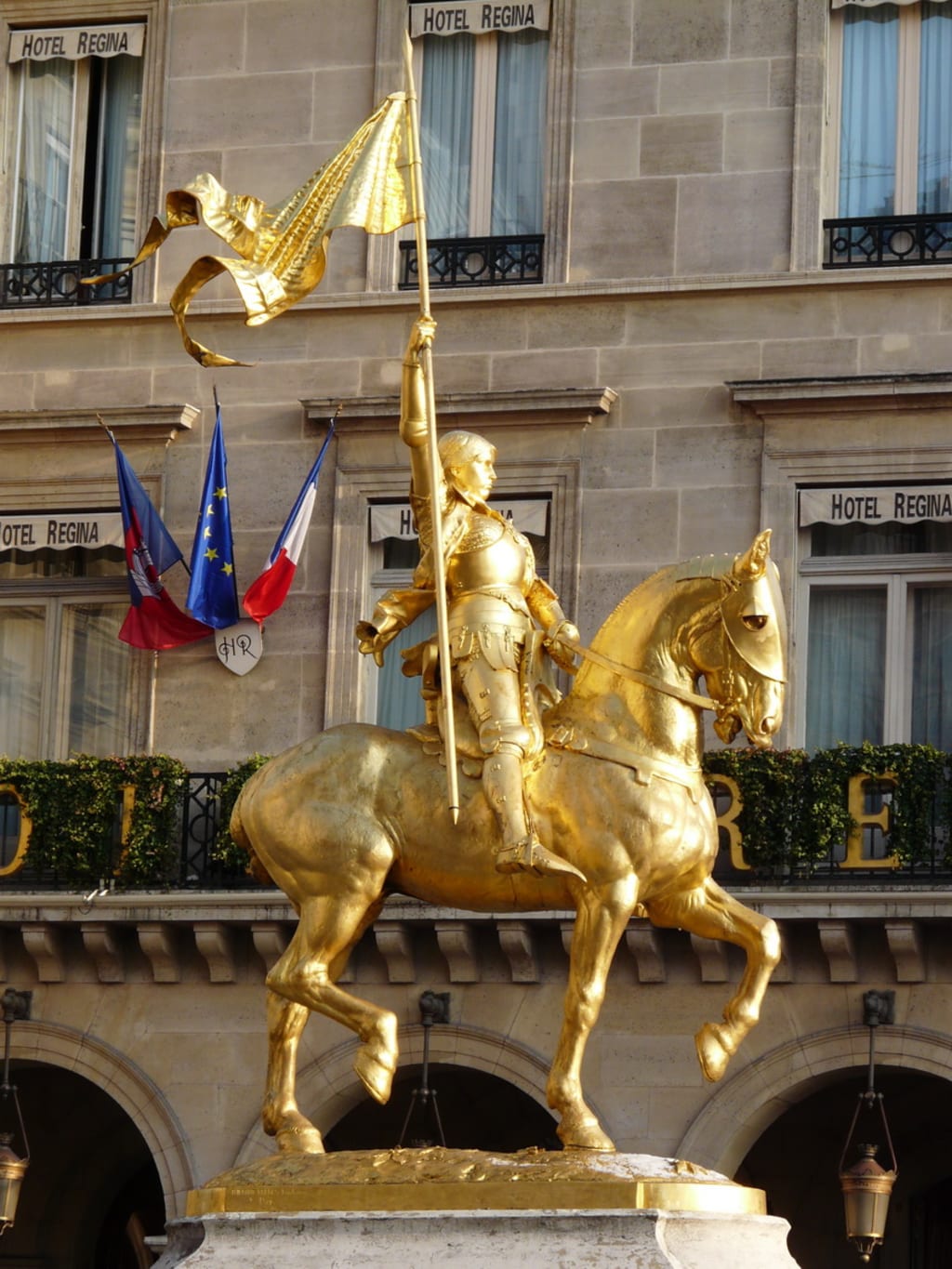
It is a known fact that horses have played an important role in human history and culture throughout the centuries. Horse statues have been created to honor military leaders, gods and goddesses, and other important well-known figures.
France
Jeanne d’Arc (Fremiet)
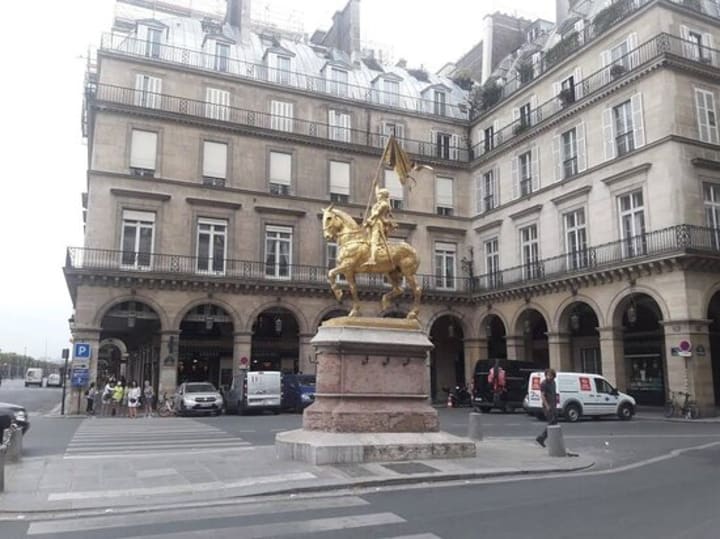
This bronze equestrian statue is located in the Place de Pyramides in Paris, France. It is near the place where Joan of Arc was wounded in her failed attempt to take Paris.
The French heroine and martyr is seen on horseback, wearing armor, and holding a flag in her right hand and her left hand is raise as if pointing at the enemy, The statue was created by Emmanuel Fremiet in the late 19th century. It is considered to be among the most famous equestrian statues and a powerful symbol of French national identity.
Equestrian Statue of Louis XIV (Bernini)
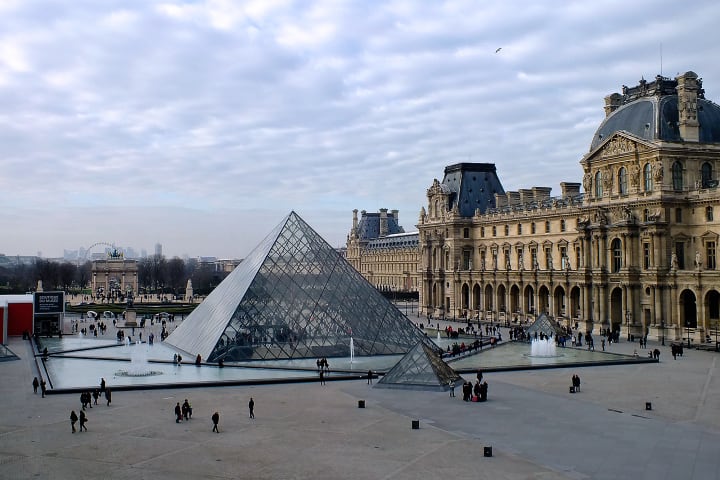
This amazing equestrian statue can be seen at the Pyramid de Louvre in Paris, France.
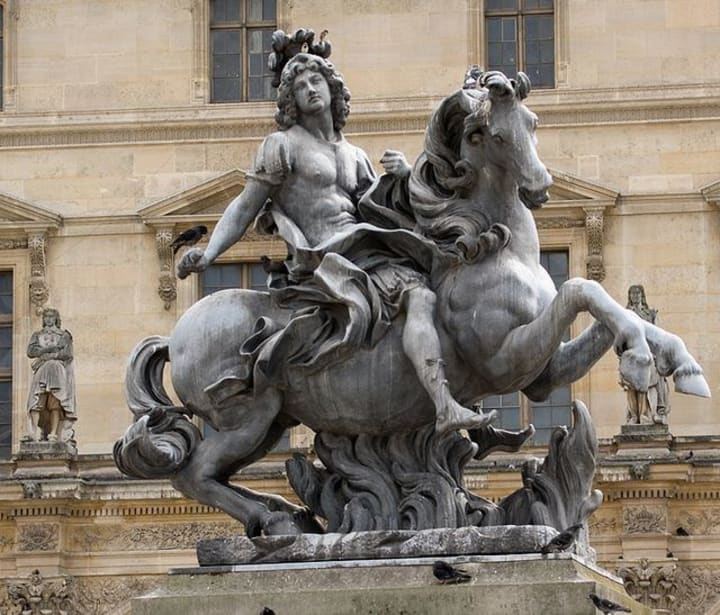
The statue was created by the Italian artist Gian Lorenzo Bernini. Bernini finished the statue in 1684 and sent it to Paris in 1685. Unfortunately, Louis XIV of France was not satisfied with the statue and placed it in a corner of the gardens at the royal palace at Versailles. Later on, Francois Girardon transformed the sculpture into an equestrian sculpture of the historical Roman hero Marcus Curtius.
Germany
Jan-Wellem-Reiterstandbilt
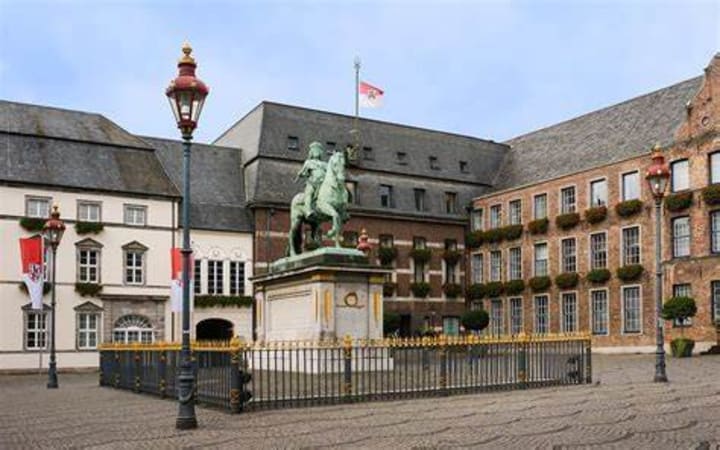
The Reiterstandbild of Duke Johann Wilhelm is a bronze equestrian statue that stands in the Marktplatz in Dusseldorf, Germany.
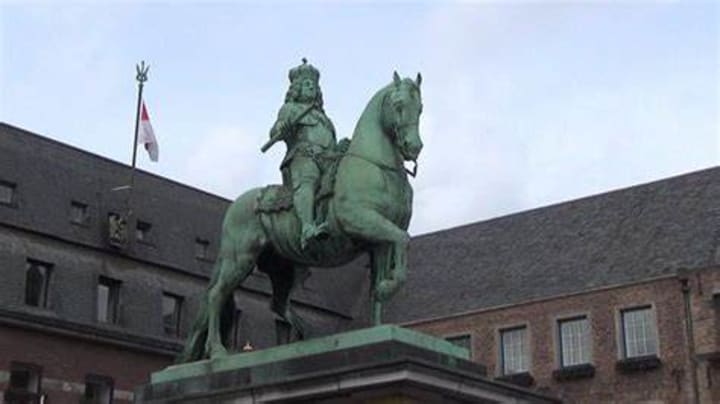
The statue is of Johann Wilhelm II, the Elector Palatine, and the Duke of Neuburg on horseback. It was created by the Dutch sculptor Gabriel Grupello in the late 17th century. Johann Wilhelm II is seen in full military dress with a plumed helmet. With his right hand, he gives orders and with his left, he holds the reins. The statue was originally located in Mannheim but moved to Dusseldorf in the 18th century.
Italy
Equestrian Statue of Marcus Aurelius
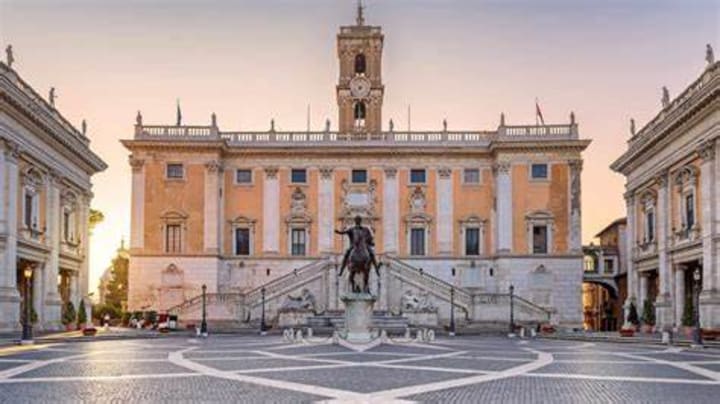
This equestrian statue is made of bronze. It can be seen in the Piazza del Campidoglio, a public square on top of the ancient Capitoline Hill in Rome, Italy.
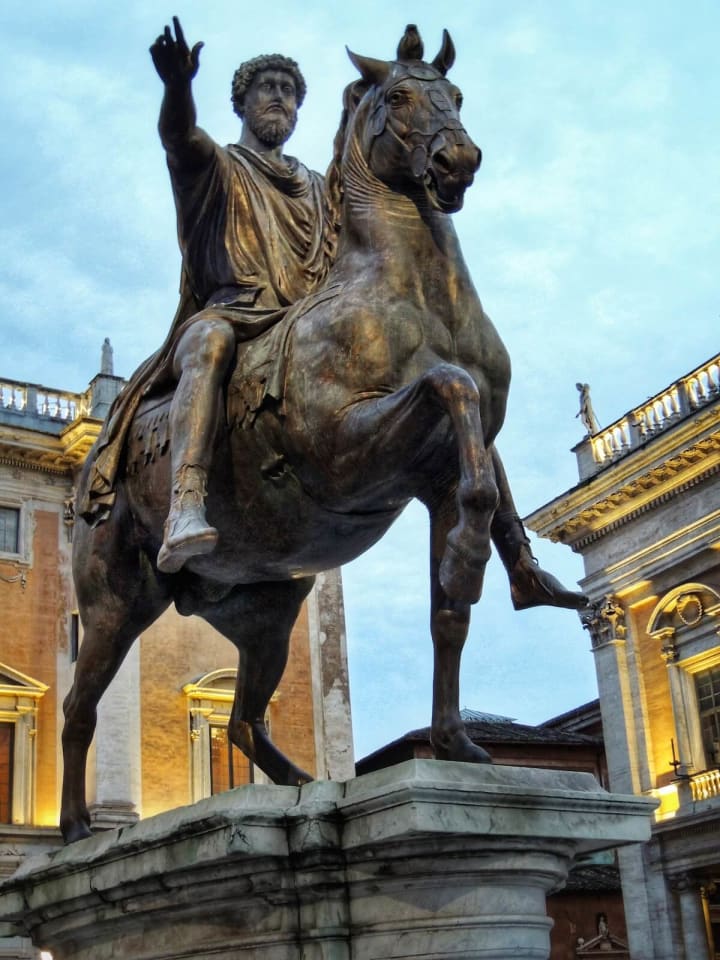
Roman emperor Marcus Aurelius Is seen mounted on a horse his right arm raised as if addressing his troops. It is very detailed showing the Emperor in military dress, with his armor and cloak flowing realistically in the wind. The statue is considered to be one of the most important examples of Roman equestrian statuary. It was originally erected in the second century AD in the central square of the Roman city of Mediolanum today known as Milan. The statue was moved to Rome by Emperor Constantine.
Equestrian Statue of Gattamelata
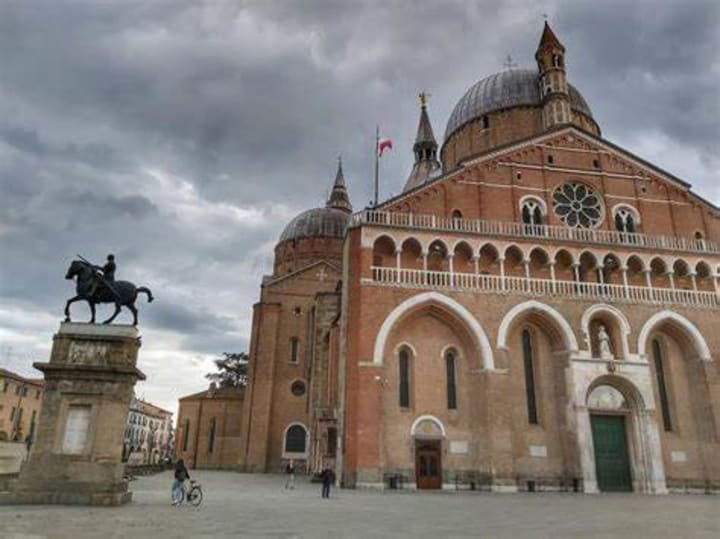
This bronze equestrian statue is located in the Piazza del Santo in Padua, Italy.
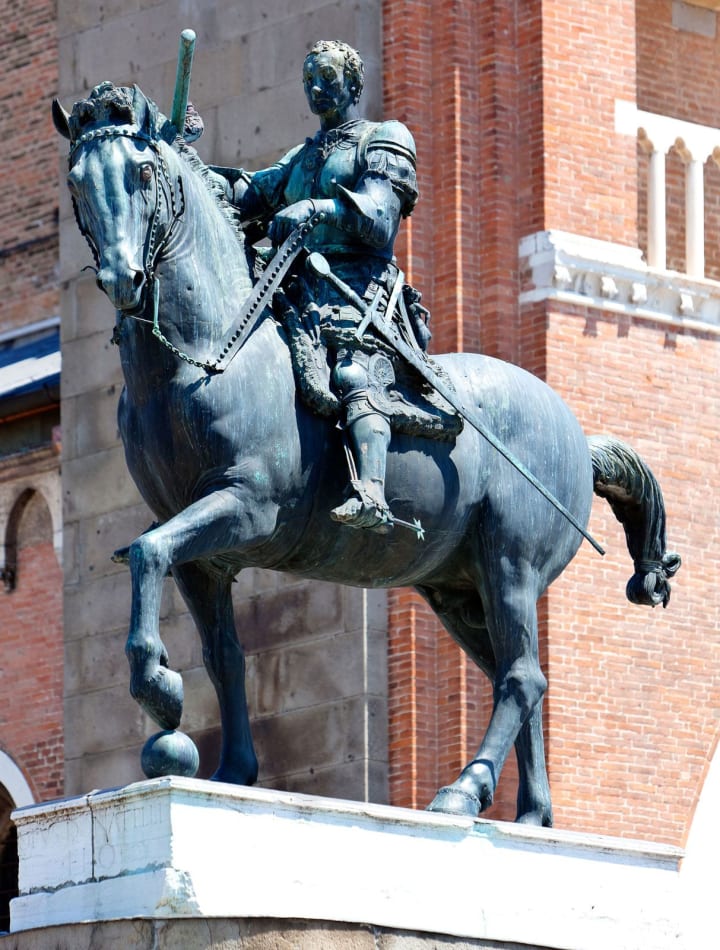
It is of the Italian condottiero Erasmo da Narni also known as Gattamelatta. It was created by the famous Italian sculptor Donatello in the 15th century. The statue was commissioned by the Republic of Venice to honor Gattamelatta who was a renowned mercenary leader serving as the Captain General of the Venetian army. Gattamelata is seen on horseback, in full armor, and holding a baton in his right hand. The statue is known for being highly detailed and is considered one of the most important examples of Renaissance sculpture.
Equestrian Statue of Bartolomeo Colleoni
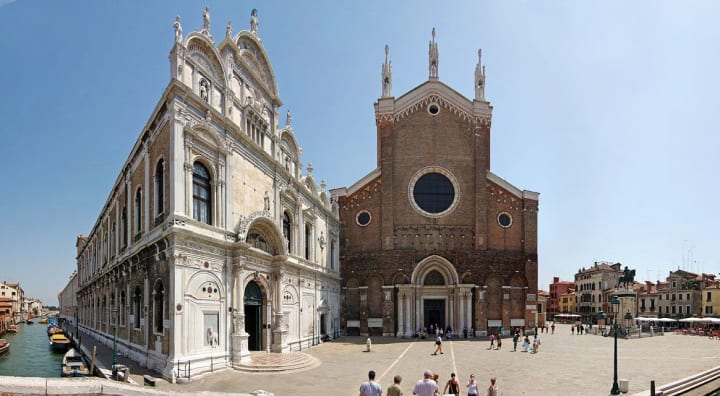
This bronze equestrian statue is located in the Campo Santi Giovanni e Paolo in Venice, Italy.
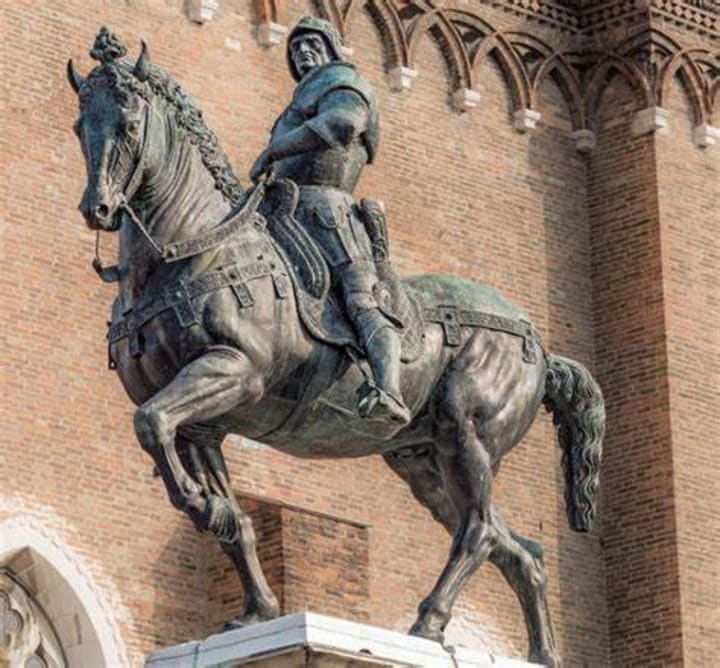
The equestrian statue shows the Italian condottiero Bartolomeo Colleoni, a mercenary captian in the Venitian army. It was created by the Italian sculptor Andrea del Verrocchio in the late 15th century. The statue was commissioned by the Republic of Venice to honor Colleoni, who left a lot of money to the city. He is seen in full armor with a plumed helmet and his right hand is raised as if giving orders with his left hand holding the reins.
Leonardo’s Horse (Gran Cavallo)
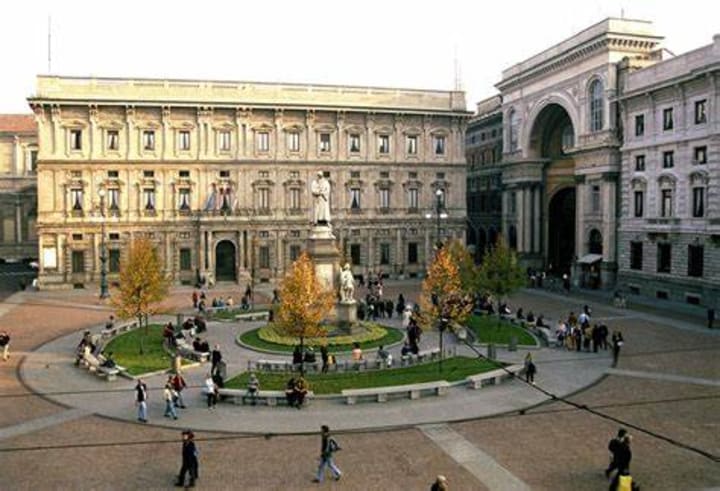
This amazing statue is located in the Plaza della Scala in Milan, Italy.
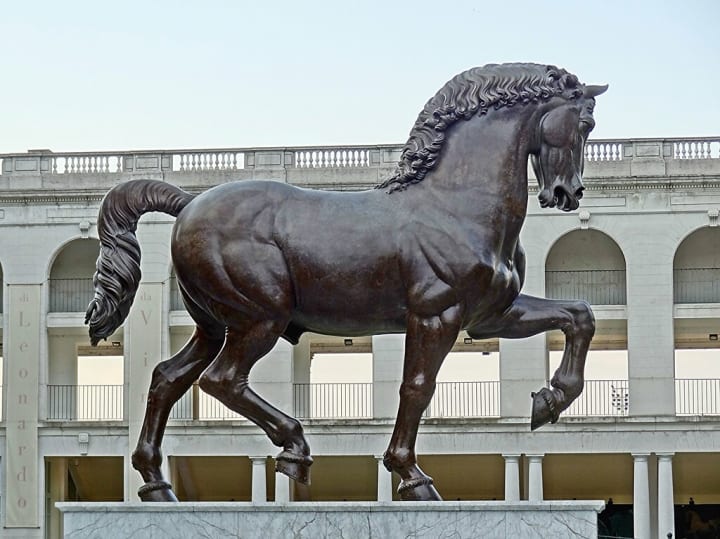
This large equestrian statue was created by well-known Italian artist and inventor Leonardo da Vinci. It was commissioned by the Duke of Milan in the late 15th century but unfortunately, never completed in da Vinci’s lifetime. Leonardo da Vinci spent years working on the statue but had to abandon the project in 1499 due to a shortage of bronze for casting the statue. In the 1990s a group of American art enthusiasts funded a recreation of da Vinci’s horse. The project led by sculptor Nina Akamu used the artist’s sketches and notes to recreate it. The new version was cast in bronze and unveiled in Milan in 1999, exactly 500 years after da Vinci began work on the original. It is a tribute to the artist’s genius and his long fascination with horses. The statue stands more than 20 feet tall.
Spain
Monument to Philip IV of Spain
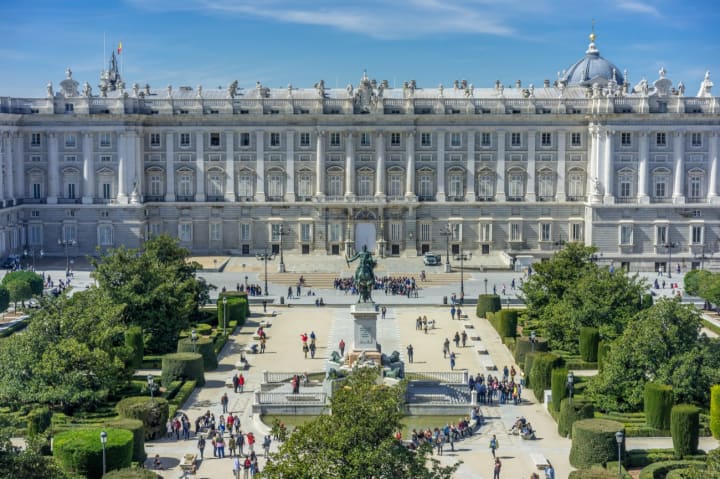
This monument is located in the Plaza de Oriente in Madrid, Spain.
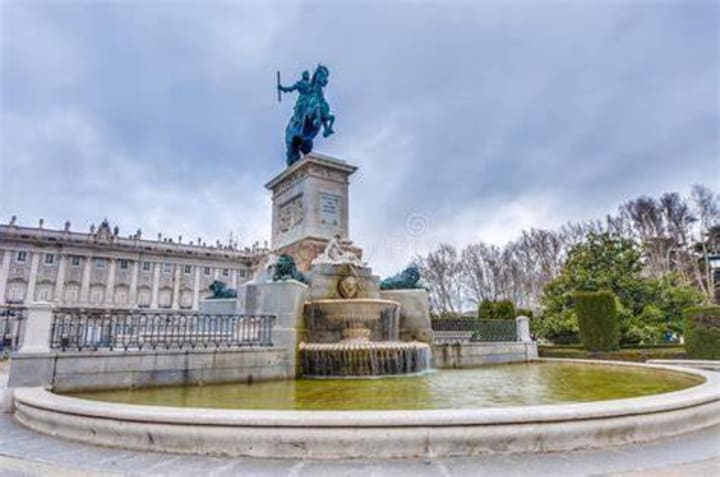
The bronze equestrian statue depicts Philip IV, who reigned from 1621 to 1665. It was created by the Italian sculptor Pietro Tacca in the 17th century. The sculpture was commissioned by Philip IV’s wife Queen Mariana of Austria to honor her husband’s military achievements. Philip IV is seen on horseback wearing armor and a plumed helmet. His right hand is raised giving orders and his left holds the reigns,
Mongolia
Genghis Khan Equestrian Statue

The equestrian statue of stainless steel stands on the bank of the Tuul River in Mongolia.
The statue depicts the legendary Mongol warrior and founder of the Mongol Empire, Genghis Khan on horseback with his right arm raised to give orders. It stands more than 130 feet tall and was erected in 2008. The statue is considered to be one of the largest equestrian statues in the world. It was built to commemorate the 800th anniversary of the founding of the Mongol Empire. Visitors to the statue can climb up to the horse’s head and enjoy the panoramic views all around, At the base of the statue is a museum that tells the story of Genghis Khan and the Mongol Empire.
About the Creator
Rasma Raisters
My passions are writing and creating poetry. I write for several sites online and have four themed blogs on Wordpress. Please follow me on Twitter.
Keep reading
More stories from Rasma Raisters and writers in Art and other communities.
'Till Death We Do Art
There would be nothing divine in this world without art. Nature may surpass the divine to all intents and purposes, but like everything it absorbs and is absorbed by, it remains here, stuck on the surface of this world, ever-present, physically bound to the universe.
By Avocado Nunzella BSc (Psych) -- M.A.P 25 days ago in Art
The Rise of Decentralized Social Media and What It Means for Content Creators
For most of the past two decades, a small number of centralized platforms have dominated the social media landscape. Companies like Facebook, Instagram, X (formerly Twitter), and TikTok built massive ecosystems that attracted billions of users, but they did so under a model where the platform holds ultimate control over content, data, and revenue distribution. Creators who poured time and energy into building audiences on these platforms often found themselves at the mercy of opaque algorithms, sudden policy changes, and revenue-sharing structures that heavily favored the platform itself.
By Chaturbateme2 days ago in Art




Comments
There are no comments for this story
Be the first to respond and start the conversation.