
AI vs Artist
The Battle Between Algorithms and Emotions in the World of Art

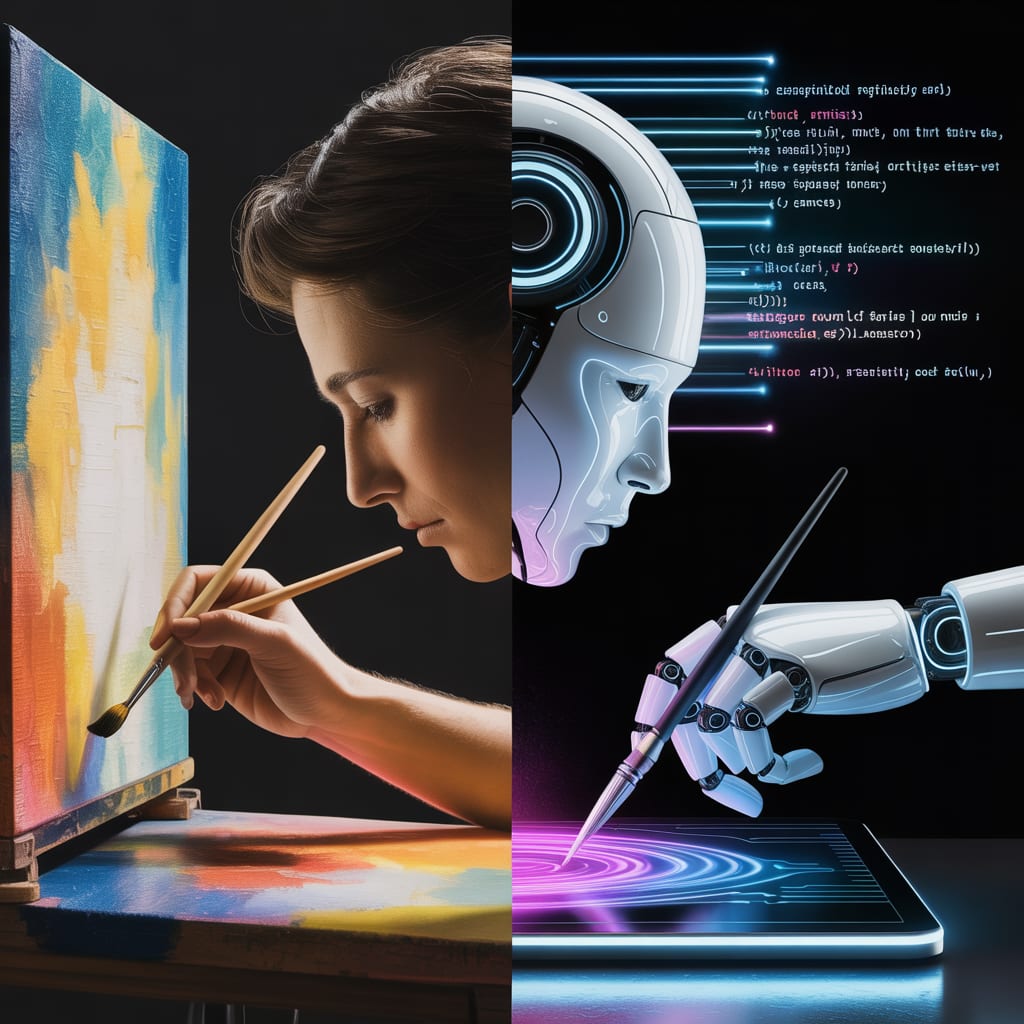
In a world where technology shapes every aspect of life, a new battlefield is emerging—artificial intelligence vs human artists. What was once seen as a realm reserved for deep emotional insight and raw creativity is now shared with machines that can generate portraits, poems, and symphonies in seconds. But the pressing question remains: Is AI-generated art replacing human expression, or is it simply enhancing it?
🎨 The Rise of AI in Art: From Tools to Creators
AI in art is no longer a futuristic idea—it's a present-day reality. Platforms like DALL·E, MidJourney, and Runway can create digital paintings, surreal compositions, and hyperrealistic images within seconds using text prompts. These tools are trained on massive datasets of art history, styles, and internet culture.
The result? A stunning variety of visuals that mimic human creativity with uncanny precision.
🧑🎨 How Human Artists Feel the Impact
For traditional artists, illustrators, and designers, this technological evolution presents a paradox. On one hand, AI tools are making creativity more accessible. On the other, they threaten to undermine years of training, style development, and personal expression.
Many artists are concerned about:
Job displacement in digital design industries
Art theft, as AI models often mimic copyrighted styles
The lack of originality in machine-made work
Art has always been a medium for telling human stories. Can a machine, devoid of memory, emotion, or experience, truly replace that?
🤖 What Makes AI-Generated Art So Popular?
There’s no denying the viral appeal of AI art. It’s quick, visually striking, and often eerily perfect. For businesses and content creators, it offers:
Faster turnaround times
Lower costs compared to hiring illustrators
Infinite style and theme flexibility
In the commercial world, efficiency often trumps emotional depth—and AI fills that gap perfectly. But popularity doesn't always equal profundity.
💔 The Missing Ingredient: Emotion
While AI can replicate beauty, can it replicate emotion? This is where human artistry holds its ground.
A painting by Van Gogh or Frida Kahlo carries the weight of lived experience, personal trauma, and cultural commentary. An AI can replicate the brush strokes but not the intention behind them.
In fact, many viewers and collectors still prefer authentic, handcrafted works that carry a human touch. This emotional resonance is what gives art its soul.
🧬 Collaboration Over Competition?
Rather than fearing replacement, some visionaries suggest a collaborative future: humans and AI working side-by-side to create hybrid art.
Examples include:
Artists using AI as a concept generator
Musicians composing with AI-driven harmonics
Filmmakers generating scripts or visual effects with machine assistance
Here, AI becomes a tool, not a threat—like a digital paintbrush wielded by a human hand.
⚖️ Ethical Questions & Future Outlook
As we venture further into AI art, ethical debates intensify:
Who owns AI-generated art?
Should AI tools credit the human data they’re trained on?
How do we protect originality in a sea of algorithmically generated content?
These questions will define the future of creativity, as laws and industries race to catch up with tech.
🎯 Final Thought: A New Definition of Creativity
AI may generate images, sounds, and words, but creativity is more than output—it’s context, emotion, and intention. Machines can create art. But only humans can infuse it with meaning.
So no, AI is not replacing human expression. It’s challenging it, yes. Enhancing it, perhaps. But replacing it? Not yet—and maybe never
About the Creator
Mehtab Ahmad
“Legally curious, I find purpose in untangling complex problems with clarity and conviction .My stories are inspired by real people and their experiences.I aim to spread love, kindness and positivity through my words."
Keep reading
More stories from Mehtab Ahmad and writers in Art and other communities.
Love at First Sight, Again
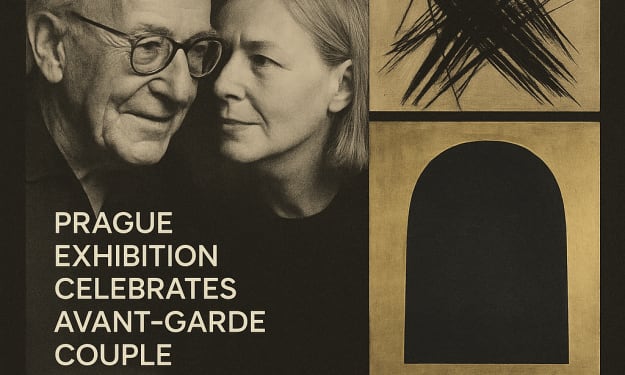
In the heart of Prague, a powerful love story is unfolding—not through whispered romance, but through bold strokes of paint, abstract forms, and the echoes of a creative partnership that reshaped European modern art. The latest exhibition at the National Gallery Prague titled “It was love at first sight, again” celebrates the passionate, prolific, and complex relationship between avant-garde artists Anna-Eva Bergman and Hans Hartung—a couple whose love for each other and for the act of creation defied norms and expectations.
By Mehtab Ahmad9 months ago in Art
'Till Death We Do Art
There would be nothing divine in this world without art. Nature may surpass the divine to all intents and purposes, but like everything it absorbs and is absorbed by, it remains here, stuck on the surface of this world, ever-present, physically bound to the universe.
By Avocado Nunzella BSc (Psych) -- M.A.P 24 days ago in Art
The Great Museum Scandal: Half of the Artworks in French Museums Found to Be Fake
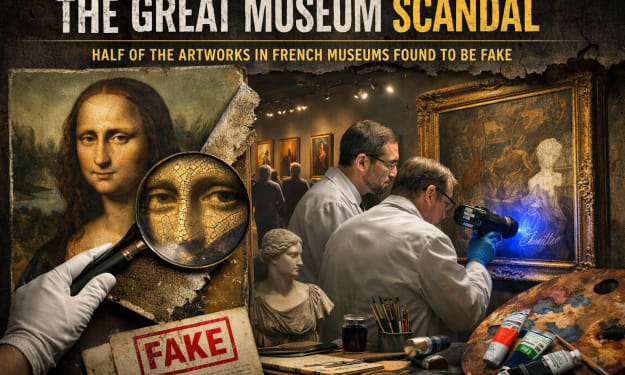
France is home to some of the most famous museums in the world, attracting millions of visitors each year who come to admire priceless works of art and historical artifacts. However, a recent investigation has sent shockwaves through the art world after suggesting that a significant number of artworks displayed in certain French museums may actually be fake.
By Irshad Abbasi 2 days ago in Art
A System That Isn’t Working Challenge Winners
Systems promise order. They organize behavior, distribute opportunity, and suggest that if everyone follows the rules, things will work. The entries in A System That Isn’t Working look closely at what happens when that promise begins to slip.
By Vocal Curation Teama day ago in Resources

Comments (1)
Informative 🍀