
African face mask
Tradition, Symbolism, and Influence

African Face Masks: Tradition, Symbolism, and Influence
The African continent is known for its rich cultural diversity, encompassing a multitude of traditions, beliefs, and art forms. One of the most iconic and enduring symbols of African cultural heritage is the face mask. These intricate and often elaborate masks hold deep significance in African societies, representing a blend of tradition, symbolism, and influence that transcends time and geographical boundaries.
Traditionally, face masks have played a vital role in African rituals and ceremonies, serving as a medium through which individuals can connect with their ancestors, spirits, and deities. In many African cultures, masks are believed to embody the spirits of deceased ancestors or supernatural beings, invoking their presence and blessings during important communal events such as initiations, harvest celebrations, and funerals. The intricate designs and intricate details of African face masks are often reflective of the cultural beliefs, spiritual practices, and historical narratives of the communities that create and use them.
Symbolism lies at the heart of African face masks, conveying a myriad of meanings and messages that resonate deeply with their creators and audiences. Each element incorporated into a mask's design - from the choice of materials to the patterns and motifs used - carries symbolic significance, often rooted in traditional myths, legends, and cosmologies. For example, the use of animal motifs such as the leopard, crocodile, or antelope in African masks may symbolize strength, agility, and spiritual power, while geometric patterns and colors can evoke specific emotions, qualities, or intentions.
Moreover, African face masks are also imbued with symbolic meanings related to social status, lineage, and identity within a community. Masks may be worn by individuals belonging to specific age groups, clans, or secret societies, signifying their roles, responsibilities, and spiritual affiliations. Through the act of donning a mask, individuals are believed to transcend their earthly selves and assume the personas of mythical or ancestral beings, channeling their wisdom, powers, and blessings for the betterment of their communities.
The influence of African face masks extends far beyond the boundaries of the African continent, captivating artists, collectors, and scholars worldwide with their timeless beauty and profound symbolism. Since the early 20th century, African masks have been a source of inspiration for modernist artists such as Pablo Picasso, Henri Matisse, and Amedeo Modigliani, who were drawn to the masks' expressive forms, bold colors, and spiritual essence. The minimalist aesthetics and abstract shapes of African masks have also influenced the development of modern art movements such as Cubism, Surrealism, and Abstract Expressionism, reshaping the course of Western art history.
Furthermore, African face masks have served as a potent symbol of resistance, resilience, and cultural pride for African diaspora communities around the world. During the era of colonialism and enslavement, African masks were often banned or confiscated by colonial authorities who viewed them as symbols of superstition and savagery. Despite attempts to suppress and erase African cultural practices, face masks continued to be cherished and preserved by African diaspora communities as a tangible link to their ancestral heritage and spiritual legacy.
In conclusion, African face masks are not merely art objects but living embodiments of African cultural traditions, beliefs, and aspirations that have endured for centuries. Their intricate designs, symbolic meanings, and transcultural influence reflect the resilience and creativity of African peoples in navigating the complexities of history, identity, and interconnectedness. As we continue to explore and appreciate the beauty and significance of African face masks, we are reminded of the enduring power of art to transcend borders, bridge divides, and unite humanity in a shared celebration of cultural diversity and heritage.
About the Creator
Hauwa Adoga
🎨 Art, words, and everything in between | Finding beauty in the everyday 🌿 | Explorer of ideas ✨
Passionate about creating & capturing the little things in life 🎬
Keep reading
More stories from Hauwa Adoga and writers in Art and other communities.
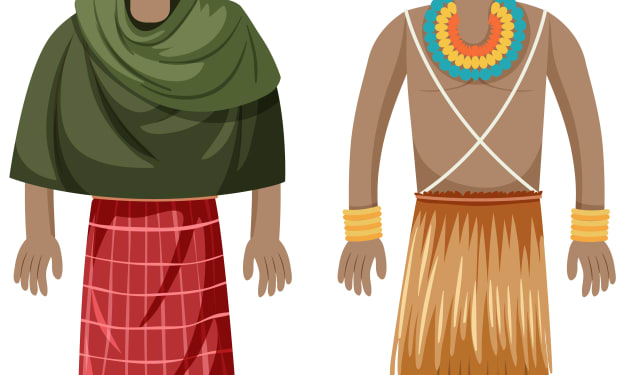
The African Attire
African attire boasts a rich and diverse history that reflects the continent's cultural, social, and environmental influences. Clothing in Africa has always been more than just a means of covering the body; it serves as a powerful expression of identity, status, heritage, and creativity.
By Hauwa Adoga10 months ago in History
Creativity in the Dark
Creativity does not always arrive in bright rooms with clean desks and clear intentions. More often, it slips in quietly—late at night, when the world has dimmed its expectations and the mind is no longer on display. This is creativity in the dark: private, unpolished, and deeply human.
By LUNA EDITHa day ago in Art
Smart phones, Humans and Aliens.
WARNING. I will be tapping into one of your favorite creative tensions: The absurdity of humans worshipping their glowing rectangles as if they were tiny oracles. There’s something deliciously poetic about that contradiction, and it lends itself beautifully to an instructive proviso.
By Novel Allen7 days ago in Poets


Comments
There are no comments for this story
Be the first to respond and start the conversation.