
Adoration of the Magi in the Snow
"The Adoration of the Magi in the Snow" explores the enchanting depiction of the Magi's visit to the Christ Child set against a snowy backdrop. This journey delves into the artistic techniques, symbolic meanings, and innovative approaches taken by various artists to portray this timeless biblical scene.

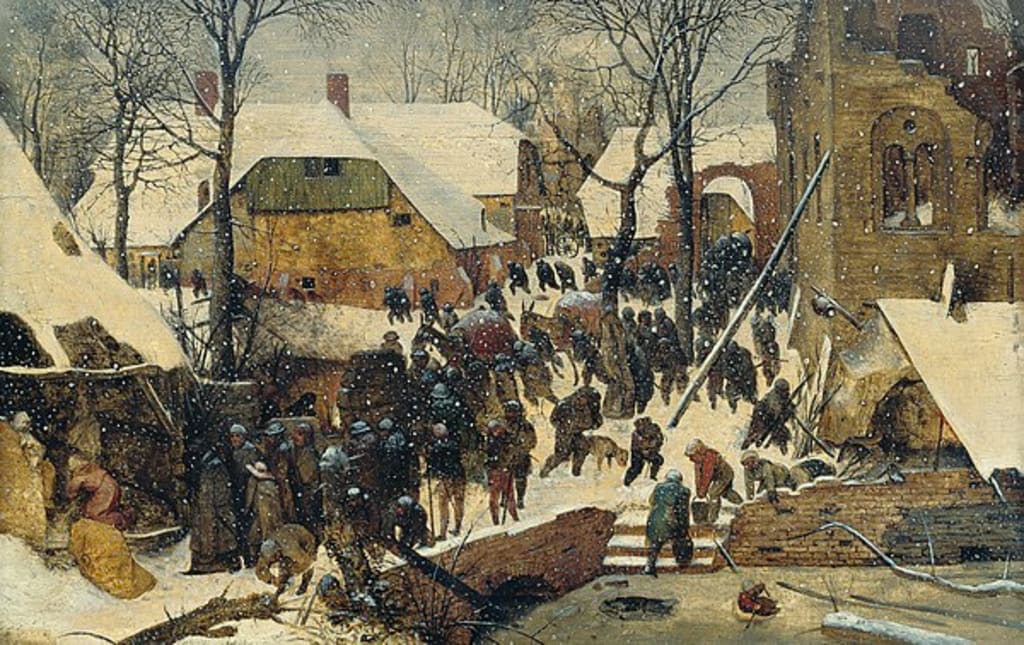
The Adoration of the Magi, a traditional Christian narrative, has been a recurring subject in art history. Depicting the homage paid by the Magi to the infant Jesus, the scene resonates with themes of divine revelation, humility, and cross-cultural unity. Among the numerous interpretations of this scene, one stands out for its unusual setting: "The Adoration of the Magi in the Snow."
This variation transports the nativity story to a winter landscape, blending the spiritual warmth of the event with the stark beauty of snow. In this article, we will explore the origins, artistic interpretations, and symbolic depth of this unique depiction, while delving into its relevance in modern contexts.
Origins and Context
The traditional "Adoration of the Magi" is rooted in the Gospel of Matthew, where wise men from the East follow a star to Bethlehem, bearing gifts of gold, frankincense, and myrrh. These figures symbolize wisdom, wealth, and devotion, transcending geographical and cultural boundaries. Artists across eras have reimagined this moment, from the opulent settings of Renaissance painters like Sandro Botticelli to the humble depictions in folk art.
The addition of snow to the narrative is a relatively modern innovation, reflecting the influence of Northern European landscapes on Christian art. Snow, a rare occurrence in biblical Bethlehem, serves as a metaphorical device. It heightens the contrast between the coldness of the external world and the warmth emanating from the holy family—a poignant reminder of spiritual light overcoming darkness.
Artistic Interpretations
Northern Renaissance Influences
Northern European artists, such as Pieter Bruegel the Elder, are often credited with introducing snowy landscapes into religious art. Bruegel’s "The Census at Bethlehem" (1566) is a prime example, placing a biblical event within a snow-covered Flemish village. While not explicitly an Adoration scene, it sets a precedent for integrating sacred narratives with winter imagery.
The inclusion of snow transforms the Magi’s journey into a visually striking pilgrimage. Artists leverage the stark whiteness of snow to emphasize purity and divine grace. In some interpretations, footprints in the snow symbolize the faithful’s journey, leading viewers into the sacred space of the nativity.
Modern Depictions
In contemporary art, "The Adoration of the Magi in the Snow" often features minimalist compositions. These modern works strip away extraneous details, focusing on the interplay of light, shadow, and texture. The infant Jesus, glowing softly against the cold backdrop, becomes a beacon of hope and renewal.
Some artists experiment with mixed media, incorporating actual snow-like materials or digital effects to create immersive experiences. These interpretations invite viewers to feel the chill of the environment and the warmth of spiritual connection simultaneously.
Symbolism
The Contrast of Warmth and Cold
Snow, with its connotations of coldness and desolation, juxtaposes the warmth of the nativity scene. This contrast underscores the transformative power of faith and love. The Magi’s perseverance through harsh conditions mirrors the Christian journey—enduring trials to reach spiritual fulfillment.
Universal Appeal
The snowy setting also broadens the nativity’s geographic and cultural resonance. By placing the scene in a winter landscape, artists make the story accessible to audiences in colder climates, fostering a sense of universality.
Light as a Guiding Force
In many depictions, the star of Bethlehem shines even brighter against the dark, snowy skies. This reinforces its role as a divine guide, leading the Magi—and by extension, humanity—to the light of Christ.
Cultural and Modern Relevance
A Message of Inclusivity
The Magi, often depicted as individuals of varied ethnic backgrounds, symbolize the universality of Christ’s message. The snowy setting amplifies this inclusivity by transcending geographical boundaries. In a world grappling with division, such imagery serves as a powerful reminder of unity and shared humanity.
Climate and Environmental Connections
Modern audiences might also interpret the snowy setting through an environmental lens. Snow, a symbol of natural beauty and fragility, can evoke reflections on climate change and humanity’s role in preserving the Earth. Artists using sustainable materials or emphasizing environmental themes in their snowy nativity scenes add a contemporary layer of meaning.
Artistic Innovation
The fusion of traditional themes with modern techniques keeps the narrative fresh and relevant. From digital art to augmented reality installations, "The Adoration of the Magi in the Snow" inspires artists to push creative boundaries while honoring timeless spiritual themes.
The Role of Audience Perception
Art is not a one-sided conversation; its meaning evolves with the viewer’s interpretation. A snowy Adoration scene invites diverse emotional responses—from awe at its visual beauty to introspection about life’s trials and joys. The universality of snow, coupled with the familiarity of the nativity story, creates a deeply resonant experience.
Conclusion
"The Adoration of the Magi in the Snow" is more than an artistic innovation; it is a testament to the enduring power of sacred narratives to adapt and inspire. By marrying the spiritual warmth of the nativity with the stark beauty of a snowy landscape, this interpretation offers a fresh perspective on a timeless story. It reminds us that, even in the coldest and most desolate moments, the light of faith, love, and unity can prevail.
Whether viewed through a historical, symbolic, or modern lens, this unique depiction continues to captivate and inspire. It invites us to see the familiar story of the Magi’s journey in a new light, bridging past and present, tradition and innovation, warmth and cold—a true masterpiece of storytelling and artistry.
About the Creator
Muhammah Hanzalah
Passionate about history and culture. Join me on Vocal Media for captivating insights into hidden historical gems and diverse cultural traditions. Let's explore the rich tapestry of our shared heritage and artistic expressions.
Keep reading
More stories from Muhammah Hanzalah and writers in Art and other communities.
Why the iconic English painting The Hay Wain by John Constable is not what it seems
John Constable's "The Hay Wain" (1821) stands as one of the most celebrated landscapes in British art history, typically viewed as a serene, nostalgic portrayal of rural English life. However, beneath its seemingly tranquil surface lies a far more complex narrative of social transformation, economic upheaval, and artistic manipulation that challenges our conventional understanding of this iconic work.
By Muhammah Hanzalahabout a year ago in Art
The Best Philosophy in the World Is the One You Can Live
Ask ten philosophers what the best philosophy in the world is, and you will receive at least ten different answers—possibly delivered with footnotes, counterarguments, and mild contempt for the other nine. This disagreement is not a flaw of philosophy; it is its essence. Philosophy was never meant to be a universal prescription handed down like a rulebook. It exists to help human beings live better lives. By that standard, the best philosophy in the world is not the most elegant or complex—it is the one that can be lived.
By Fred Bradford2 days ago in Art


Comments (1)
Wow! Beautifully done