
Mastering the Craft of Paint: Tips and Tricks for Every DIYer
Explore different paint types and finishes to achieve lasting results
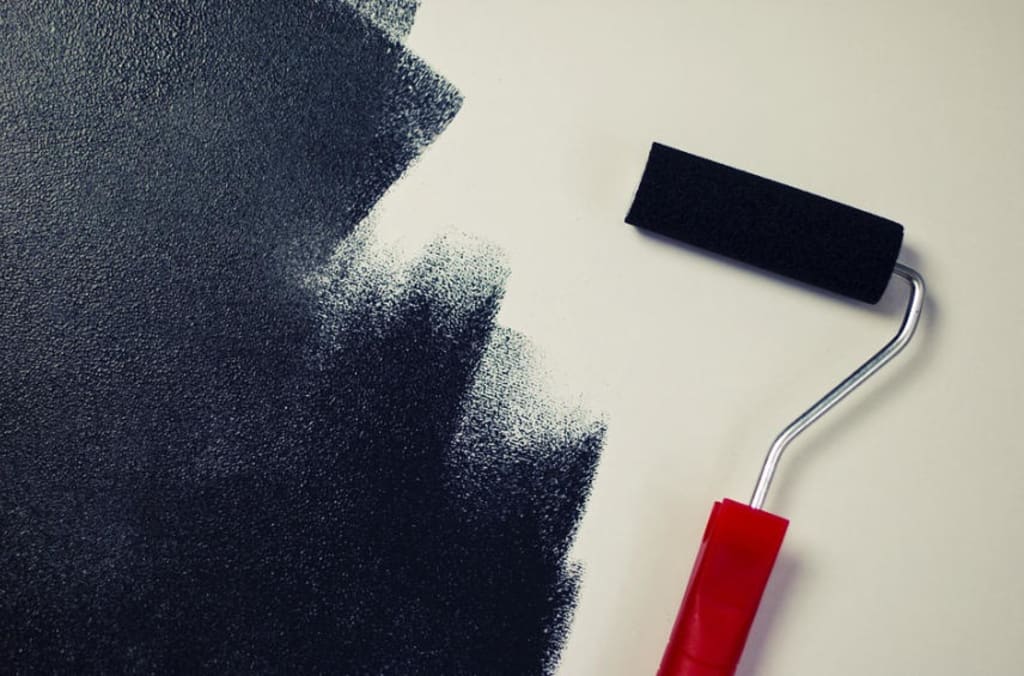
Painting is more than just applying color to a surface; it’s a craft that combines creativity, technique, and careful preparation. Whether you are refreshing a room, painting furniture, or exploring artistic expressions, understanding the nuances of painting can transform a simple task into a satisfying and beautiful experience. In this article, I’ll share practical tips, techniques, and personal insights from years of working with different types of paints and surfaces, helping both beginners and seasoned DIY enthusiasts achieve professional-looking results.
1. Understanding Paint Types and Finishes
Before even touching a brush, it’s crucial to understand the variety of paints available and how they behave. Paints are typically categorized into water-based (latex or acrylic) and oil-based options.
Water-based paints are popular for interior walls and ceilings. They dry quickly, have low odor, and clean up easily with soap and water. Acrylic paints are a type of water-based paint ideal for craft projects and furniture because they are durable and flexible.
Oil-based paints, on the other hand, offer a smooth and glossy finish that is highly durable, making them suitable for woodwork and surfaces prone to wear. They take longer to dry and require mineral spirits for cleanup.
The finish of the paint also matters. Matte or flat paints hide imperfections but are less washable. Satin or eggshell finishes strike a balance, offering a subtle sheen and easy cleaning. Glossy and semi-gloss paints are perfect for trim and cabinets because of their reflective quality and durability.
Understanding these distinctions helps you select the right paint for your project, ensuring not only aesthetic appeal but also longevity.
2. Preparing the Surface: The Key to Success
No amount of skillful brushing can compensate for poor surface preparation. Cleaning, sanding, and priming the surface are essential steps that make a huge difference.
- Cleaning: Remove dust, dirt, grease, or old flaking paint. For walls, a mixture of mild detergent and water usually suffices. Wood surfaces may need a gentle sanding and wiping with a tack cloth.
- Sanding: Smooth surfaces allow the paint to adhere better. Sanding also helps remove old finishes, especially on furniture. Fine-grit sandpaper (180–220 grit) works well for most projects.
- Priming: A good primer ensures even coverage, blocks stains, and helps the paint adhere properly. For new drywall, a latex primer is ideal; for bare wood or metal, consider an oil-based or specialty primer.
Skipping these steps may lead to uneven color, peeling, or reduced durability. Think of it as laying a strong foundation before building a house—it’s essential for lasting results.
3. Tools and Techniques for Flawless Painting
Choosing the right tools and mastering basic techniques can elevate your painting from ordinary to professional-looking.
- Brushes: Synthetic brushes work best with water-based paints, while natural bristles are ideal for oil-based paints. Use smaller brushes for edges and detailed work, and larger brushes for broad surfaces.
- Rollers: Rollers are perfect for covering large areas quickly. Foam rollers create smooth finishes on smooth surfaces, while nap rollers are better for textured walls.
- Sprayers: Paint sprayers provide the fastest and most even coverage, particularly for furniture or outdoor projects. However, they require careful masking and practice to avoid overspray.
When it comes to technique:
Cutting in involves painting the edges and corners first with a brush before using a roller. This ensures clean lines along trim and ceiling edges.
Rolling should follow a “W” or “M” pattern to distribute paint evenly, then lightly fill in the gaps with vertical strokes.
Layering: Multiple thin coats are better than a single thick coat. Allow each layer to dry completely before applying the next to avoid drips and uneven texture.
4. Tips for Color Selection and Creativity
Selecting the right color can transform a space or object dramatically. Consider the lighting, room size, and mood you want to create. Lighter colors open up spaces and feel airy, while darker tones add coziness and sophistication.
Don’t be afraid to experiment with accents, patterns, or textures. Faux finishes, such as sponging or rag rolling, can create depth and visual interest. Metallic paints, chalk paints, and glaze techniques can also add unique character to furniture and walls.
5. Common Challenges and How to Overcome Them
Even with careful preparation and technique, painting can present challenges:
- Drips and streaks: Often caused by overloading the brush or roller. Work in thin layers and smooth out drips immediately.
- Uneven coverage: Usually a result of skipping primer or applying thick coats. Sanding between coats and applying multiple thin layers helps.
- Paint peeling: Caused by moisture or poor surface adhesion. Ensure surfaces are clean, dry, and primed before painting.
Patience is key. Rushing a project can lead to frustration and messy results.
6. Personal Reflections on Painting as a Craft
Over the years, I’ve discovered that painting is both practical and meditative. It’s not just about the final result; the process itself can be therapeutic. There’s satisfaction in preparing the surface, selecting colors, and seeing a room or object transform under your hands. Painting encourages attention to detail, patience, and creativity. Even small projects, like painting a chair or a door, can provide a sense of accomplishment and pride.
Conclusion
Painting is an art that anyone can master with practice, the right materials, and careful attention to technique. From understanding paint types and finishes to mastering brushes, rollers, and surface preparation, each step contributes to a beautiful and long-lasting result. Beyond aesthetics, painting allows us to personalize our spaces, express creativity, and enjoy the satisfaction of transforming ordinary objects into works of art. Whether you’re a beginner or an experienced DIYer, embracing painting as both a craft and a creative outlet can make a significant difference in how you experience your living and working environments.
About the Creator
Keep reading
More stories from writers in Art and other communities.
'Till Death We Do Art
There would be nothing divine in this world without art. Nature may surpass the divine to all intents and purposes, but like everything it absorbs and is absorbed by, it remains here, stuck on the surface of this world, ever-present, physically bound to the universe.
By Avocado Nunzella BSc (Psych) -- M.A.P 26 days ago in Art
Why persistent hammering does not cause brain damage in woodpeckers
Woodpeckers use incredible speed and force to drive their beaks into solid wood, striking tree trunks thousands of times every day. For many years, experts believed that their skulls buffered each impact like shock absorbers.
By Francis Dami4 days ago in Art
The First Rainbow Baby
Pitter-patter, pitter-patter. The rain fell in rhythmic splatters, slowly slowing, but still constant. Mira rolled onto her side pulling the blanket tight against her ears, but still she could hear chitter-chatter and scurrying feet of the creatures that refused to sleep in the lower decks.
By A. J. Schoenfelda day ago in Fiction



Comments
There are no comments for this story
Be the first to respond and start the conversation.