
Abstract Sculpture: Where Art Meets Emotion and Imagination
Abstract sculpture is more than just a form of visual art—it's a bold expression of creativity, emotion, and freedom from traditional representation.
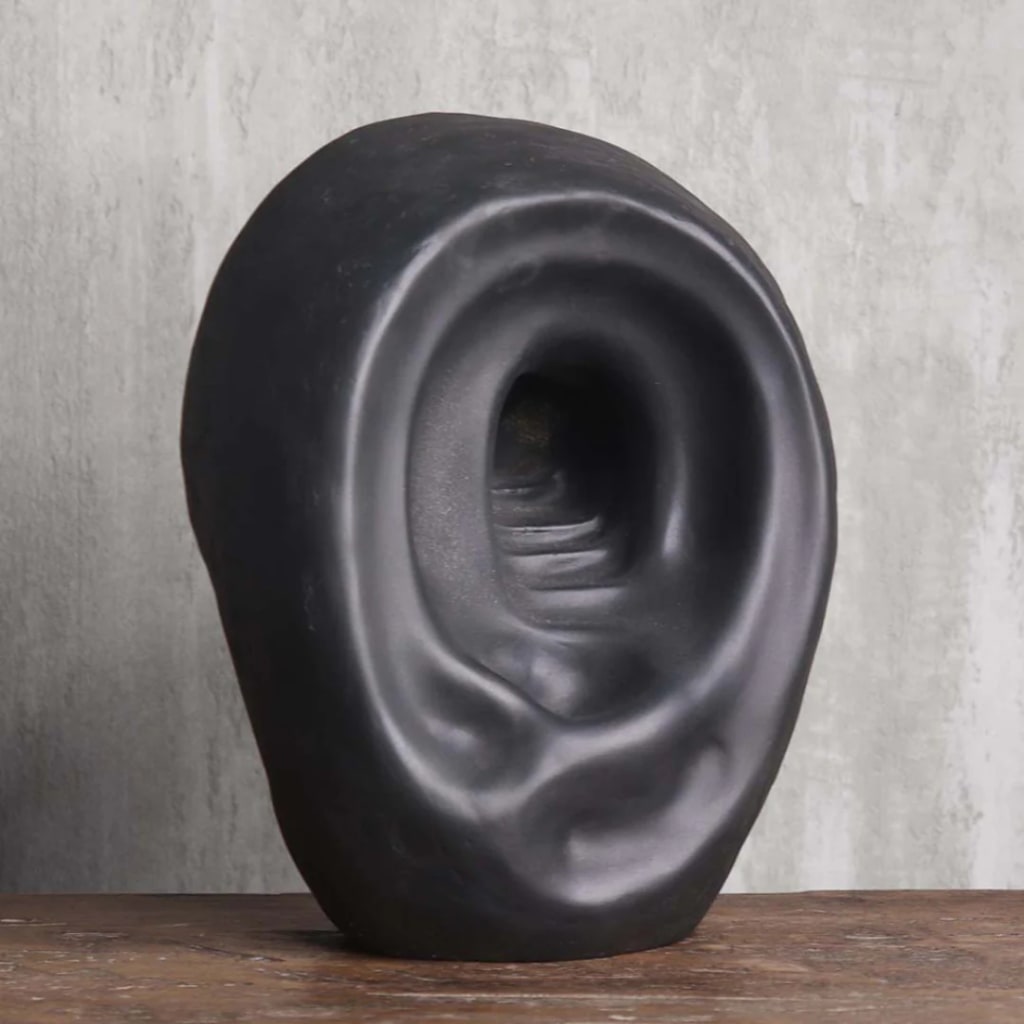
Abstract Sculpture is more than just a form of visual art—it's a bold expression of creativity, emotion, and freedom from traditional representation. Unlike realistic sculpture, which mimics recognizable forms such as people or animals, abstract sculpture breaks away from literal shapes and explores form, material, and movement in unique and often surprising ways.
In modern homes, galleries, public spaces, and offices, abstract sculptures have become powerful focal points that engage the senses and spark conversation.
What is Abstract Sculpture?
Abstract sculpture is a three-dimensional art form that emphasizes shapes, lines, textures, and materials without necessarily depicting a specific object or figure. It encourages viewers to interpret meaning through their own perceptions and emotions rather than through direct representation.
The focus is on form over function, allowing the sculpture to evoke moods or ideas—like chaos, harmony, strength, or fluidity—through its physical presence.
The History and Evolution of Abstract Sculpture
The roots of abstract sculpture can be traced back to the early 20th century, when artists began rejecting traditional forms of art. Influential movements such as Cubism, Constructivism, and Futurism inspired sculptors to challenge conventional aesthetics.
Prominent artists like Constantin Brâncuși, Naum Gabo, and Barbara Hepworth paved the way for modern abstraction, focusing on pure form and the relationship between space, material, and light.
Today, abstract sculpture continues to evolve with the use of contemporary materials, digital tools, and environmental concepts.
Materials Used in Abstract Sculpture
One of the most fascinating aspects of abstract sculpture is the diverse range of materials artists use:
Metal (Steel, Bronze, Copper) – Ideal for bold, geometric, or industrial forms.
Wood – Adds warmth and texture, often used for organic or flowing shapes.
Stone and Marble – Offers permanence and elegance.
Glass – Brings light and color into the piece, often used in modern installations.
Mixed Media and Recycled Materials – Used to convey messages about sustainability and innovation.
Abstract Sculpture in Home and Public Spaces
1. Interior Decor
Abstract sculptures are increasingly popular in modern and minimalist home decor. Placed on a console table, coffee table, or shelf, they instantly add sophistication and a touch of artistic flair.
2. Outdoor Installations
Large-scale abstract sculptures are often found in gardens, patios, or urban parks. They serve as dramatic centerpieces and redefine how we interact with open spaces.
3. Corporate and Commercial Spaces
Businesses use abstract sculptures in lobbies, boardrooms, and reception areas to convey creativity, modernity, and brand identity.
Why Choose Abstract Sculpture?
Visually Engaging – Encourages the viewer to think, imagine, and interpret.
Timeless Appeal – Never bound by trends, abstract art stays relevant across eras.
Versatile Aesthetics – Complements a wide range of interiors and architectural styles.
Emotional Depth – Offers a personal connection and emotional response beyond words.
Conversation Starter – Always sparks curiosity and discussion among viewers.
Famous Abstract Sculptors to Know
Henry Moore – Known for large-scale, semi-abstract human forms.
Isamu Noguchi – Blended abstract shapes with a deep sense of serenity.
Louise Nevelson – Famous for her monochromatic wooden wall sculptures.
Anish Kapoor – Renowned for bold and reflective public art installations.
Conclusion
Abstract sculpture offers a powerful way to experience art beyond the literal. It challenges perceptions, stimulates thought, and enhances any space with its presence. Whether you’re an art enthusiast, interior designer, or just someone who appreciates unique decor, adding abstract sculpture to your environment is a statement of style, emotion, and imagination.
So next time you’re looking to transform a space or enrich your artistic experience, let abstract sculpture be your guide into the world of form without boundaries.
About the Creator
Keep reading
More stories from Studio Renaissance and writers in Art and other communities.
Abstract Sculpture: A Bold Expression of Art and Emotion
In the world of contemporary art and modern design, Abstract Sculpture stands out as a powerful and captivating form of expression. Unlike traditional sculptures that depict clear and recognizable figures or scenes, abstract sculptures embrace creativity without boundaries—often representing ideas, emotions, or forms that challenge the viewer’s perception.
By Studio Renaissance10 months ago in Art
'Till Death We Do Art
There would be nothing divine in this world without art. Nature may surpass the divine to all intents and purposes, but like everything it absorbs and is absorbed by, it remains here, stuck on the surface of this world, ever-present, physically bound to the universe.
By Avocado Nunzella BSc (Psych) -- M.A.P 23 days ago in Art
Heavenly Harmonies and Heavy Criticisms: The Complex Rise of Bethel Music
Heavenly Harmonies and Heavy Criticisms: The Complex Rise of Bethel Music Walk into almost any contemporary Christian church on a Sunday morning—whether in London, Lagos, or Los Angeles—and you are almost guaranteed to hear their music.
By Nivard Anna3 days ago in Art


Comments
There are no comments for this story
Be the first to respond and start the conversation.