
10 Remarkable Female Artists You Probably Never Heard Of
But You Should

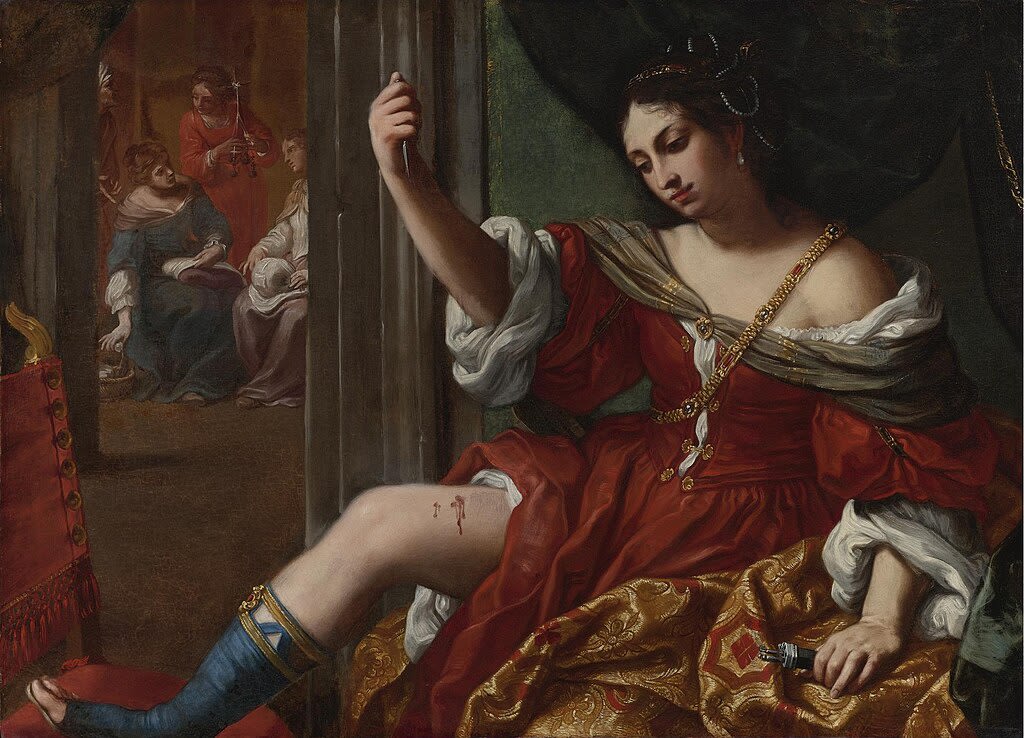
The art history seems to have always favored men. After all, we know Picasso, Da Vinci, Rafaelo, Monet, Van Gogh... And the list goes on. But when it comes to female artists, we know Frida Kalo and... Frida Kalo?
Yet, there were so many talented women who paved the path for future generations that choosing only ten was a challenge. So, let's try to bring light to those pioneers that art history left in the shadows.
The Viking Rune Master
Unfortunately, little is known about the only recorded female Viking rune carver Gunnborga den Goda (Gunborga the Good). But her existence is carved in stone. Quite literally.
For centuries Gunnborga's work lay nearly hidden as part of the church foundation. After the building burned down, the Viking monument was used as a stepping stone for the new church.
Only in 1895, its value was recognized. Today the two-meter-high stone is the witness to the female power in Viking society, proudly displaying Gunnborga’s signature alongside the runic inscriptions she made. It stands in the churchyard, in Jattendal (Sweden).
The misconception of the Middle Ages
The Middle Ages, unlike many tend to believe, were not the dark years where women only did house chores and raised children. This not-at-all-dark period witnessed women of all professions, including doctors and talented artists.
Visions of a girl, creations of a prioress
Hildegard von Bingen is the perfect example of a multitalented person worth noting. She was an early 12th-century visionary, mystic, writer, composer, philosopher, botanical and medical writer/practitioner, and to add to all this, a talented artist.
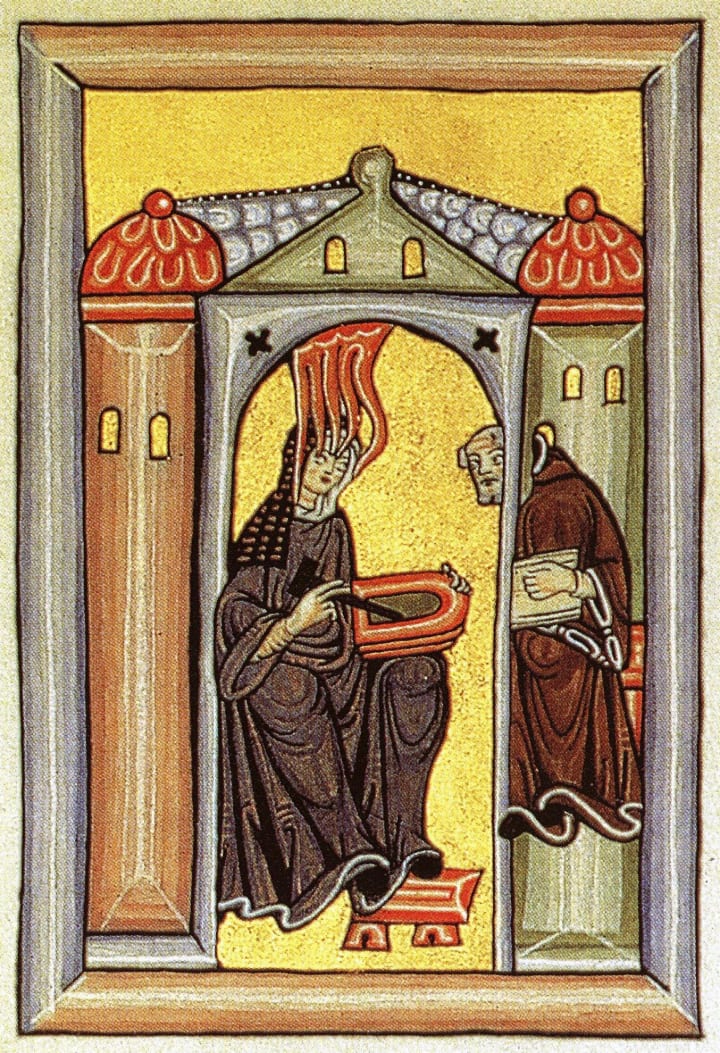
Hildegard, like most other female artists of her time, created something called the illuminations, which are meticulous and detailed embellishments of a manuscript. However, in her case, Hildegard not only beautifully decorated the manuscripts, but she also wrote some of them.
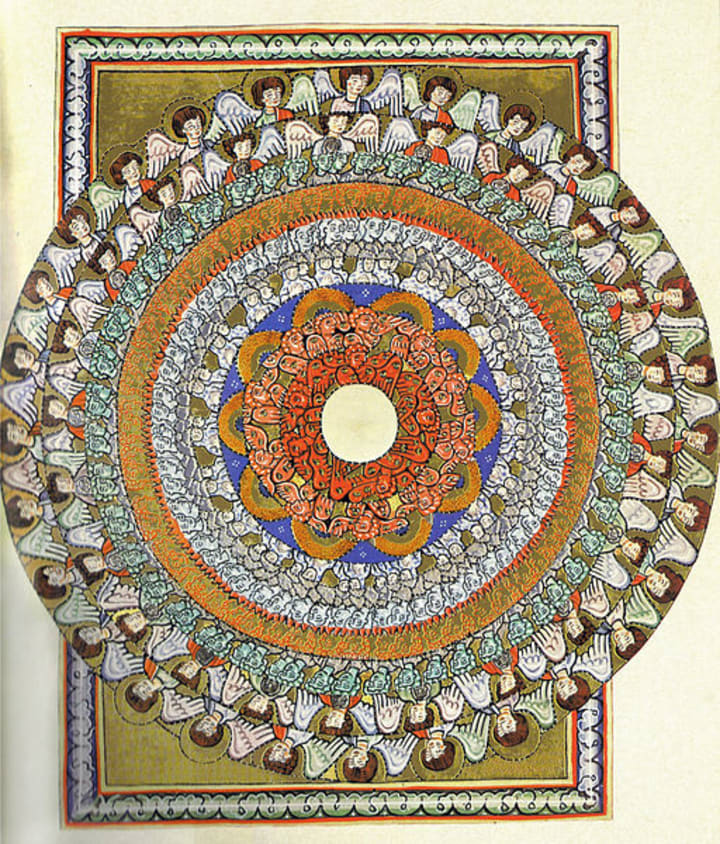
Aside from all the previously mentioned talents, Hildegard had a mystical side to her. She claimed to have had divine visions since she was a child, and once she learned how to write, Hildegard would depict them in her texts and give life to those visions by illustrating them.
Rare Unicorns of the Renaissance
Unfortunately, as the Middle Ages were counting their last days, more and more female illuminators and calligraphers were replaced by male monks.
But it would be wrong to assume that women were confined to the roles of wives and mothers. In fact, while we may not know many of the names, the female artists of the Renaissance and Baroque periods rocked the art world with their presence.
First female career artist
Lavinia Fontana, born in 1552 in Bologna, Italy, was one of the most notable female artists of her time.
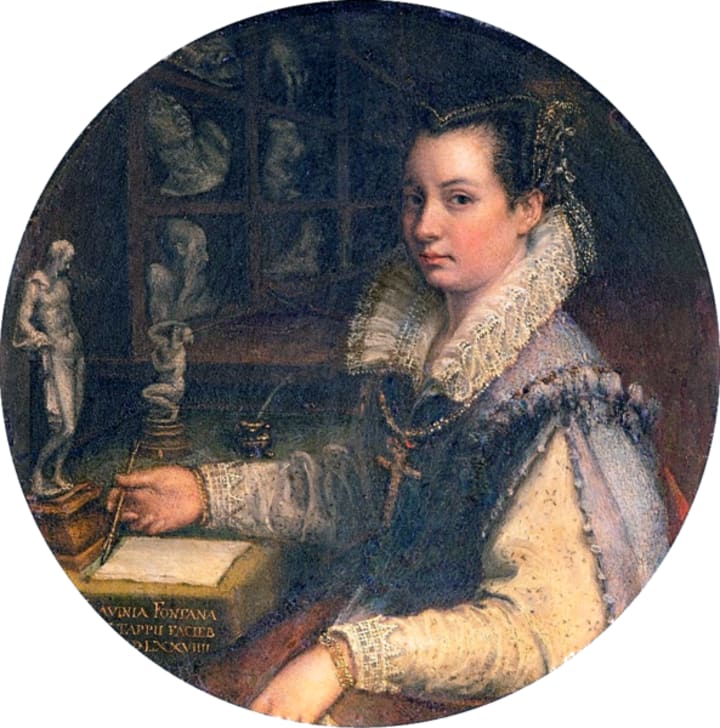
Her artist father, Prospero Fontana, nurtured his daughter's talent from an early age, especially her exceptional portrait painting skills.
The word about Lavinia's remarkable work reached even the Vatican and didn't fail to impress Pope Gregory XIII. He commissioned the 24-year-old Lavinia to paint his portrait, making her the first female artist to create an official portrait of a pope.
The following year, she married a fellow artist Gian Paolo Zappi, with whom she later had 11 children. Her husband not only supported her but also served as her agent and assistant painter, all along.
He also helped raise their children and take care of the house while Lavinia studied at the University of Bologna. At the age of 28, Lavinia was listed as one of the city's Donne Addottrinate (Doctorate women).
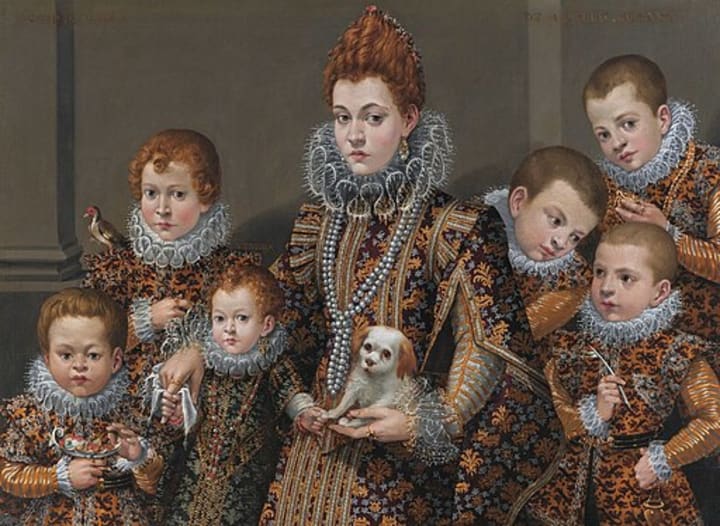
Her talent was not limited to portraiture. She also painted religious and mythological subjects and is considered the first woman to start painting female nudes.
Finding inspiration in tragedy
Half a century later, when Artemisia Gentileschi was born, Lavinia was still one of the rarest finds in the art world. But with support and encouragement from her father, Artemisia soon joined the ranks.
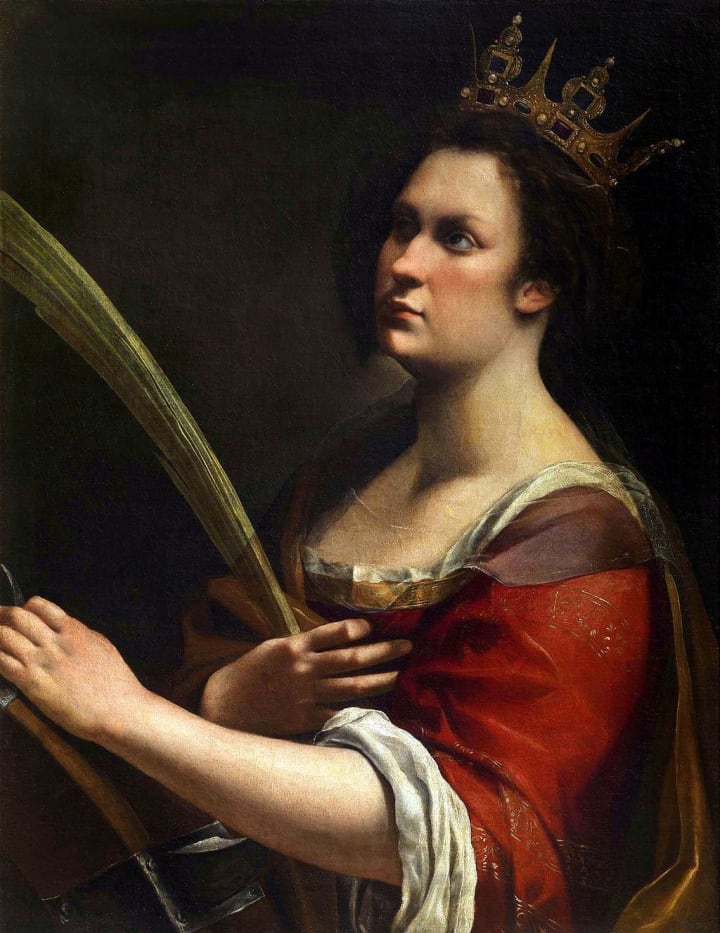
As a single father (his wife died giving birth to one of Artemisia's younger brothers), Orazio Gentileschi treated all of his children with the same respect and attention. But as an artist, he soon noticed Artemisia's potential and focused on making her talent shine.
When she turned 18, Orazio decided to find another teacher to extend Artemisia's skills and horizons. Unfortunately, this decision brought Agostino Tassi into her life.
Tassi was a well-known painter who worked alongside Artemisia's father before. But after having gained access to his house, Tassi not only stole some of Orazio's artwork, he also robbed Artemisia of her innocence.
What’s worse, is that after assaulting the eighteen-year-old in her own bedroom, Tassi made a promise to marry Artemisia to save her from disgrace. Afraid of tainting her family's honor, Artemisia accepted the proposal, and for nearly a year suffered the continued abuse silently.
Only when the truth about Tassi being already married came to light, did she tell her father the truth. And Orazio immediately took his case to court.
However, the purpose of the trial was not the assault but the damaged prospects of Artemisia's successful future marriage. To make matters worse, Artemisia was being extensively questioned, threatened, and even tortured to "make sure" her testimony was truthful.
Despite everything, the young woman stood her ground and never cowered. Tassi was convicted to 2 years of imprisonment and exile from Rome.
Yet, the man who had already been accused of assaulting his sister-in-law and conspiring to kill his wife never served his sentence. All thanks to his artistic connection with the Vatican.
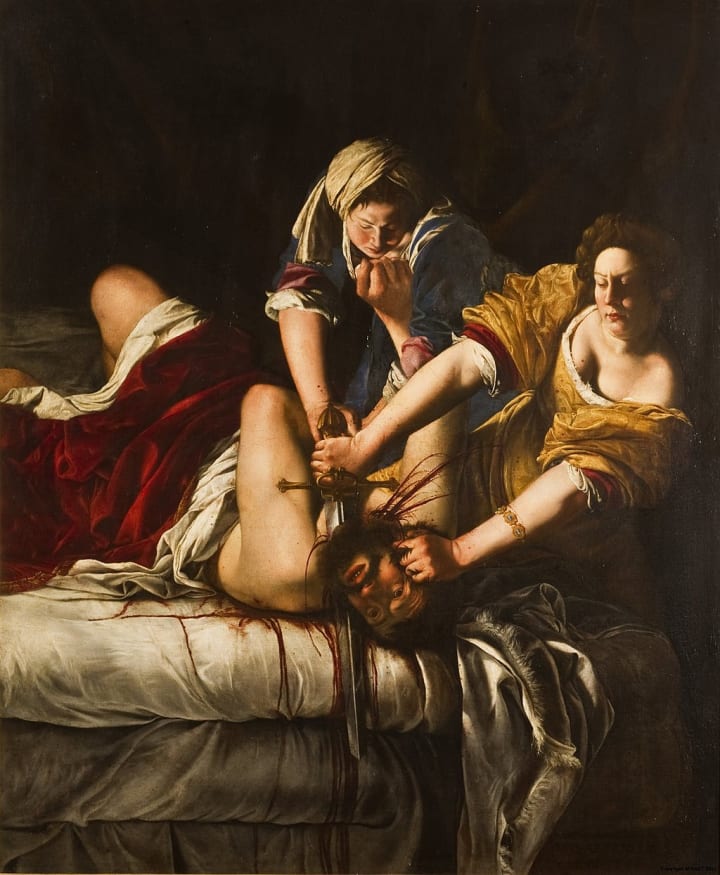
The justice may have failed Artemisia, but her tragic experience shaped her as an artist. Resilience and revenge became the recurring themes in her art, with strong heroic women taking the center spot.
Praised by the Spanish Church
A female artist was rather rare in 17th-century Spain. But a female sculptor was almost unheard of. Until Luisa Ignasia Roldana proudly claimed the title.
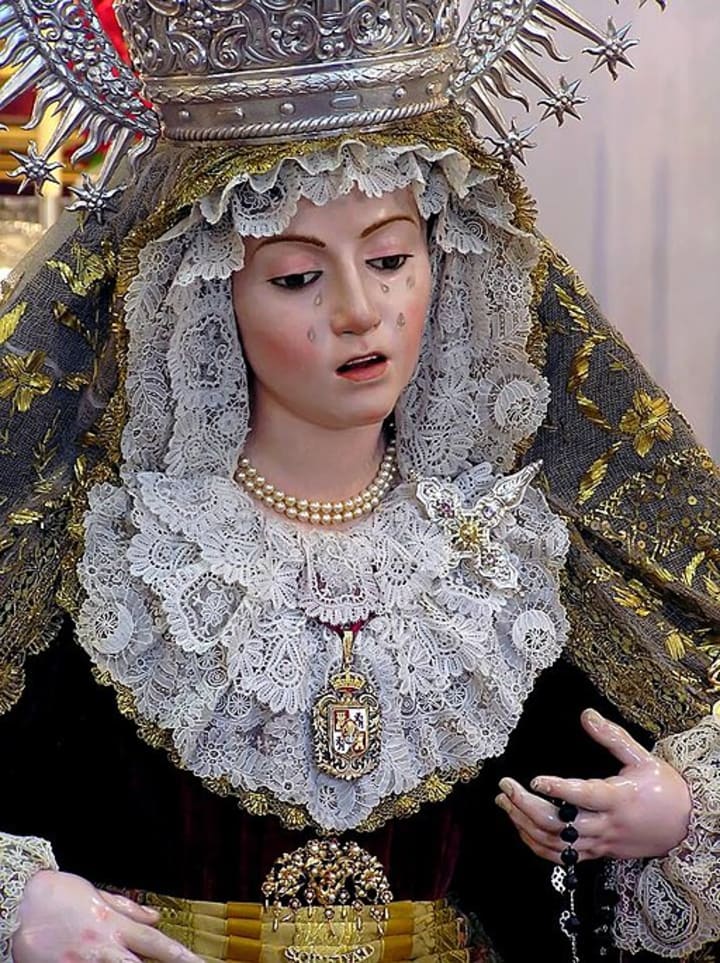
One may say, she had an easy start in the art world, as her father Pedro Roldan was a sculptor and her mother Luisa de los Rios was a painter. However, 17th-century southern Spain with its deeply rooted Catholic traditions was not an easy place for a woman to go looking for a career rather than a husband.
Still, “La Roldana” (as she is mostly known) was determined to learn the art of sculpture from her father. And it didn’t take long for her talent and dedication to shine bright enough to attract the attention of potential customers.
The Catholic Church itself admired her style and commissioned her to create sculptures for churches and institutions.
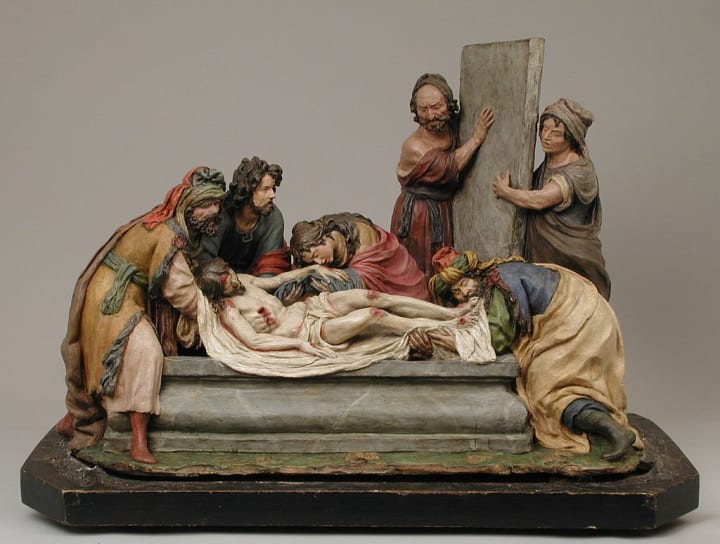
Today, numerous religious sculptures of saints and elaborate Biblical scenes can still be seen in various churches, cathedrals, and museums in Andalusia and beyond. And to this day, more works are being attributed to La Roldana.
Short but Remarkable Life
Elisabetta Sirani was a 17th-century Italian painter and printmaker who, despite her tragically short life, left a large imprint in the art world.
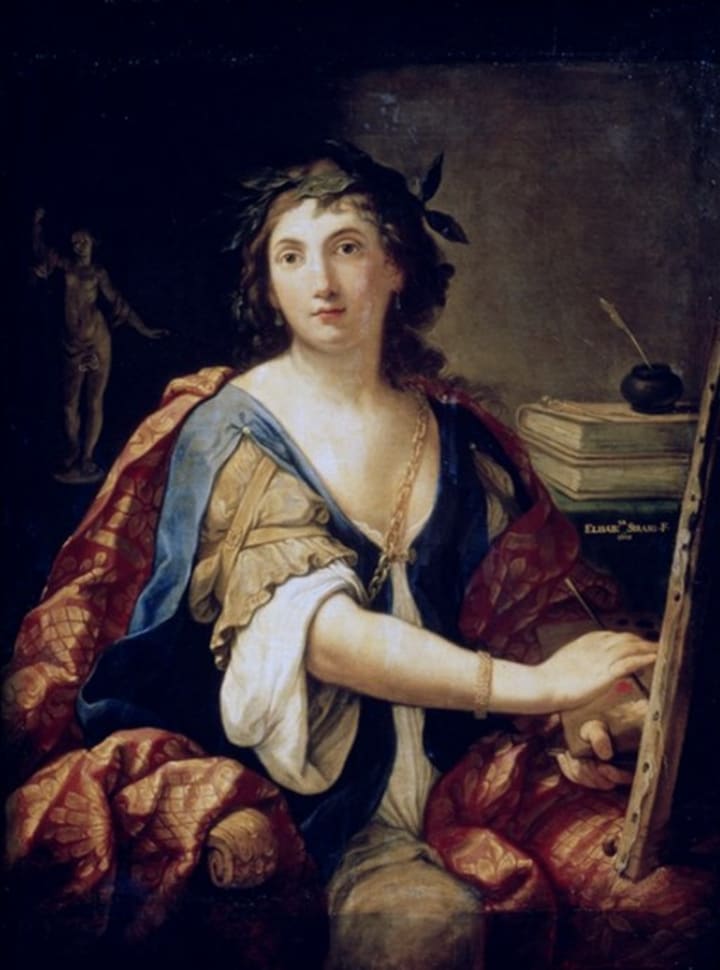
Like many other artists, she was also born into an artistic family, and her father was also her first teacher and mentor.
Elisabetta gained fame for her versatility as an artist. She painted everything, from portraits to elaborate historical and mythological scenes. But being a well-recognized painter was not enough for her. Elisabetta wanted to share her knowledge with aspiring artists, especially women.
So, she founded the "Accademia dei Concordi" in Bologna, which allowed artists of all sexes and backgrounds to receive formal art training. The academy soon gained popularity and the reputation of a serious school.
When her father got sick, thanks to the school and her successful artistic career, Elisabetta managed to support her entire family. Many believe the stress of being the sole breadwinner contributed to Elisabetta's mysterious death at the age of 27.
At first, suspicions were placed on the housemaid for poisoning the artist. The maid even went to trial, but Elisabetta’s father withdrew charges, leaving questions of the probable causes of his daughter’s sudden death unanswered to this day.
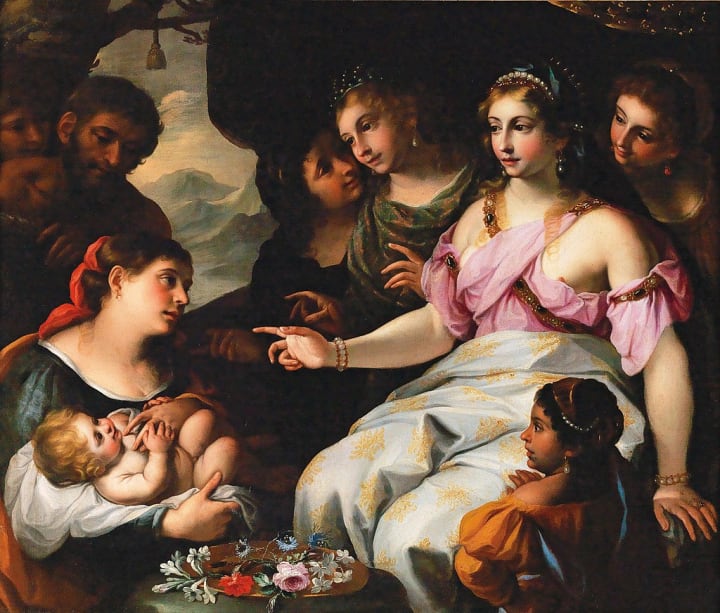
Despite her untimely demise, Elisabetta Sirani left behind a significant body of work, including more than 200 paintings, numerous engravings, and a group of new young and talented female artists who were her students.
Royal artist who kept her head
The 18th century in France was a time of elaborate wigs, powdered faces, and extravagant dresses. Women were regarded as flirtatious creatures with a taste for fashion and gossip more than anything else. However, one talented soul among them decided to captivate the art scene and Versailles.
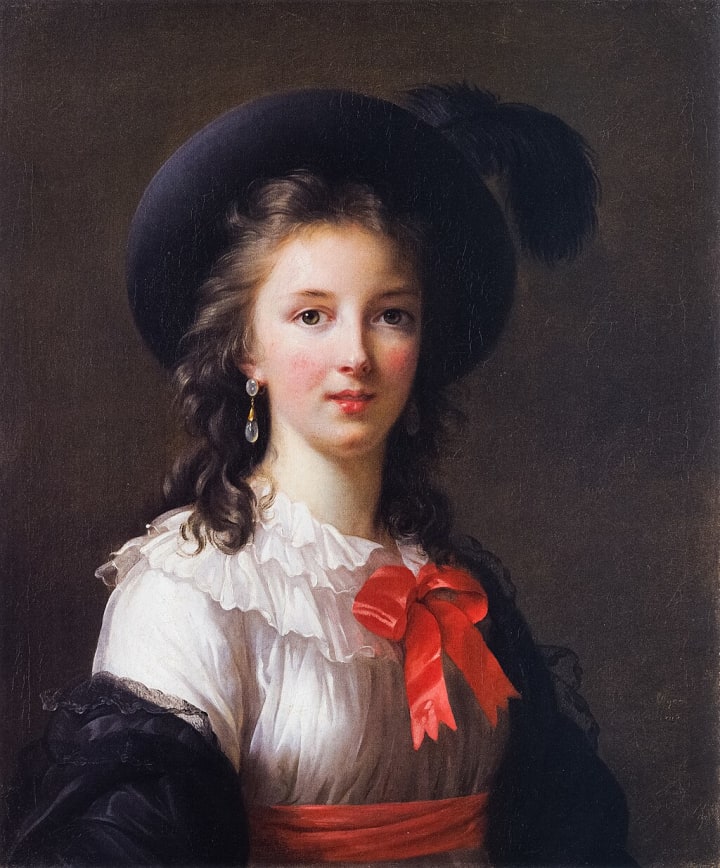
Élisabeth Louise Vigée Le Brun, born in 1755 in Paris, had the full support of her father, a pastel portrait artist. By the age of 15, she was already painting portraits for commissions from prominent figures of French society.
It didn't take long for the word about her exceptional talent to reach the Palace of Versailles. Impressed by Elisabeth's work, Queen Marie Antoinette granted her the queen's official portraitist status.
Despite the centuries-old pressure coming from every rigid and formal painting on the walls of the royal palace, the young artist remained true to her style. Elisabeth opted for more natural scenes and portrayed grace and elegance rather than stoic power poses, making the royals, and especially Marie Antoinette, look more down-to-earth and relatable.
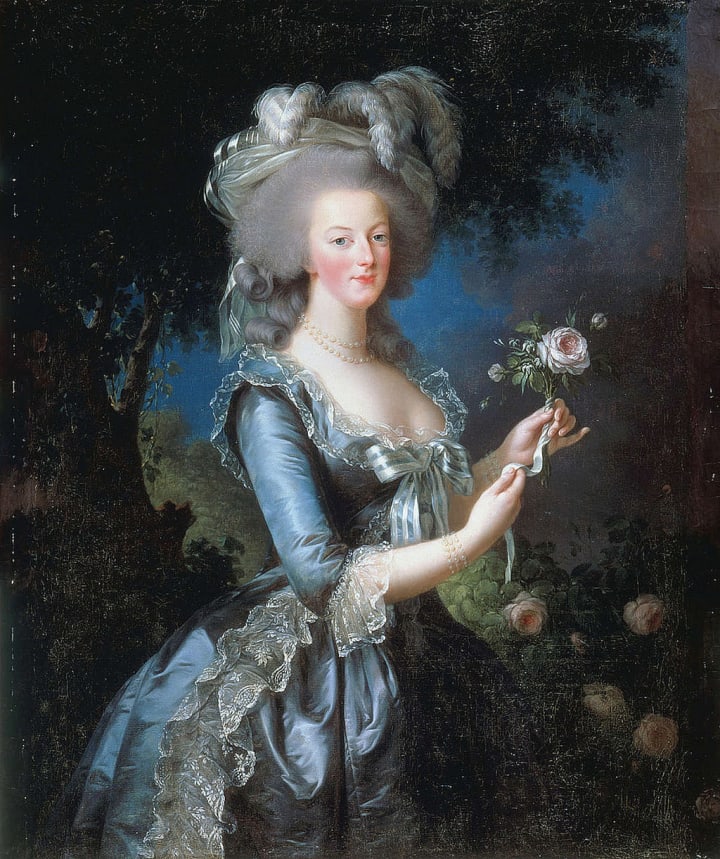
Still, the new image of earthly royals failed to subdue the anger of the neglected nation, and in 1789, Elisabeth found herself in the epicenter of the French Revolution.
Due to her association with the royalty, she decided to flee France together with her daughter. She traveled throughout Europe, painting for various European aristocrats.
Three years later, she returned to France, and soon regained her status as one of the best portrait artists in France.
The Two Founding Members of the Royal Academy of Arts
Angelica Kauffman and Mary Moser were significant female artists of the 18th century and the only two female founding members of the Royal Academy of Arts in London - an independent organization that to this day promotes and supports the visual arts through exhibitions, education, and various programs.
It took nearly 168 years for another woman to become a full member of the Royal Academy of Arts.
Angelica Kauffman was born in Switzerland in 1741. Her father, who was also a portrait artist, recognized and encouraged her potential early on. In her teenage years, Angelica officially became part of the art scene, gaining portrait commissions and having public exhibitions.
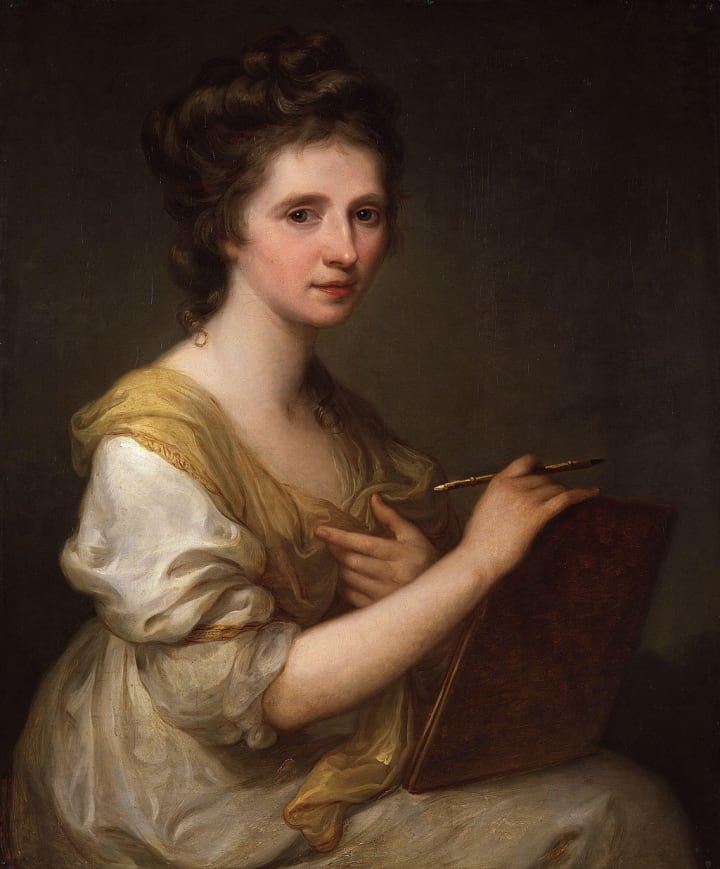
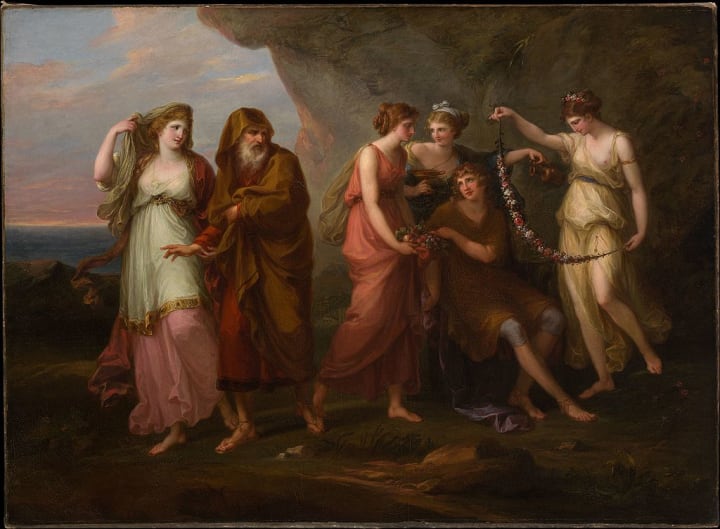
What truly set Angelica Kauffman apart was her ability to breathe life into classical compositions, historical scenes, and portraits. Although her artistic journey wasn't without its trials, including financial setbacks, she endured and gained a well-deserved seat at the founders’ table of the Royal Academy of Arts.
Another seat was reserved for Mary Moser, a British painter, known for her still-life and floral artworks.
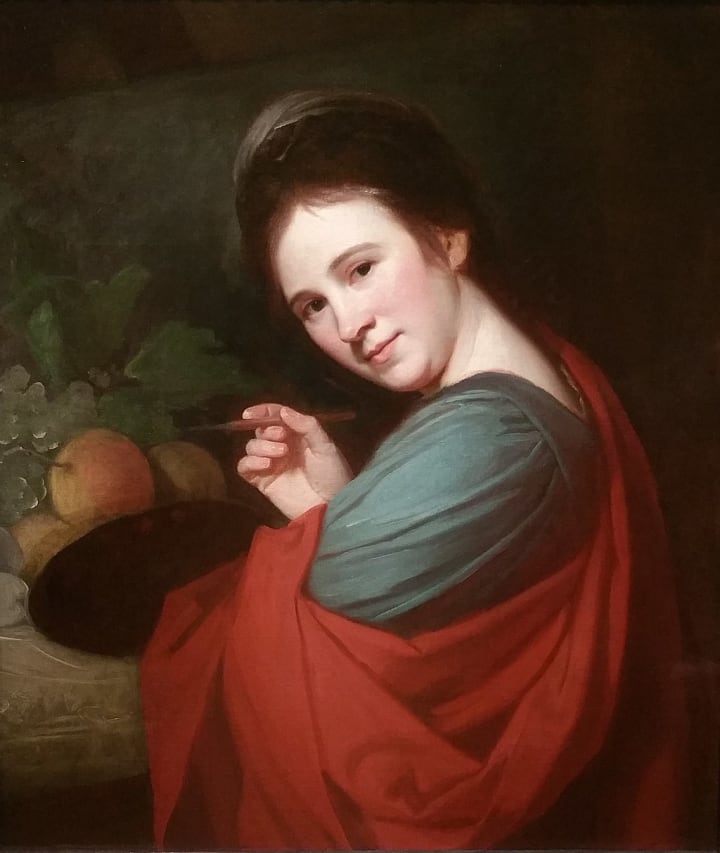
Mary was born in 1744 in England. Her artistic journey began under the nurturing eye of her artist father, George Michael Moser, who later became the first Keeper of the Royal Academy of Arts.
One may argue that this opened doors for Mary, but her paintings of still-life and floral motives had so much attention to detail that they were impossible to overlook.
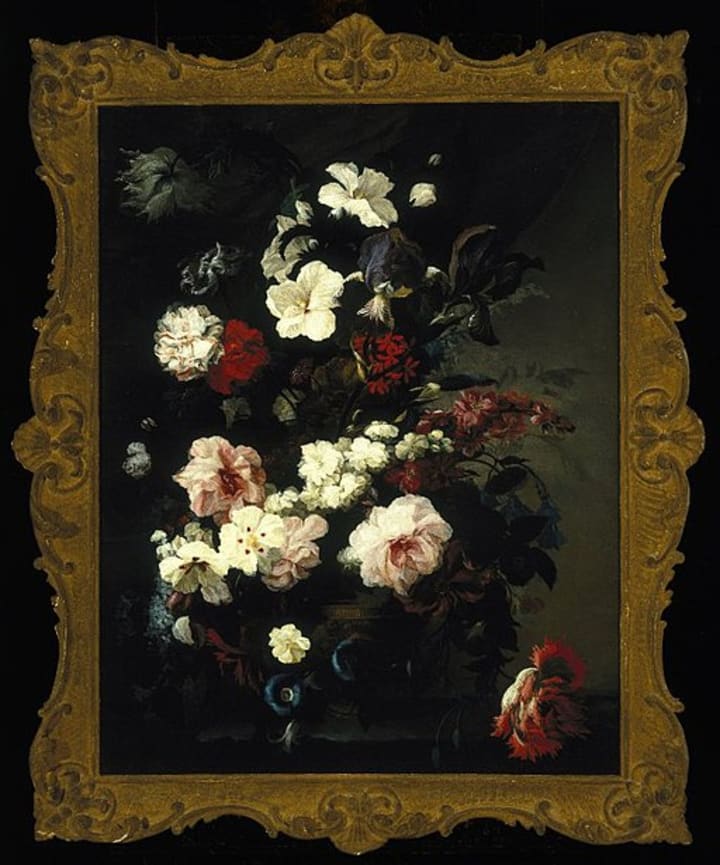
Thanks to their talent, Mary Moser and Angelica Kauffman broke through, leaving a memorable mark on the art world and making history.
The American in Paris
As the 19th century Paris was buzzing with art and creativity, an outstanding talent emerged across the ocean, and soon captivated the attention of both continents.
Mary Cassatt was born in 1844, in Allegheny City, Pennsylvania. She was the 3rd of seven children to Robert Simpson Cassatt, a successful businessman, and her mom, Katherine Kelso Johnston Cassatt, who came from a banking family. Being financially secure, both parents encouraged Mary and her siblings to pursue their interests, including art.
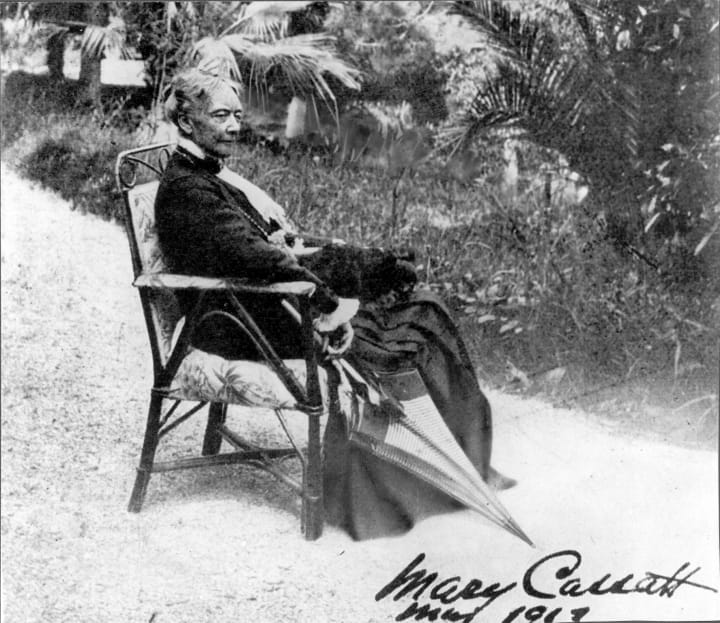
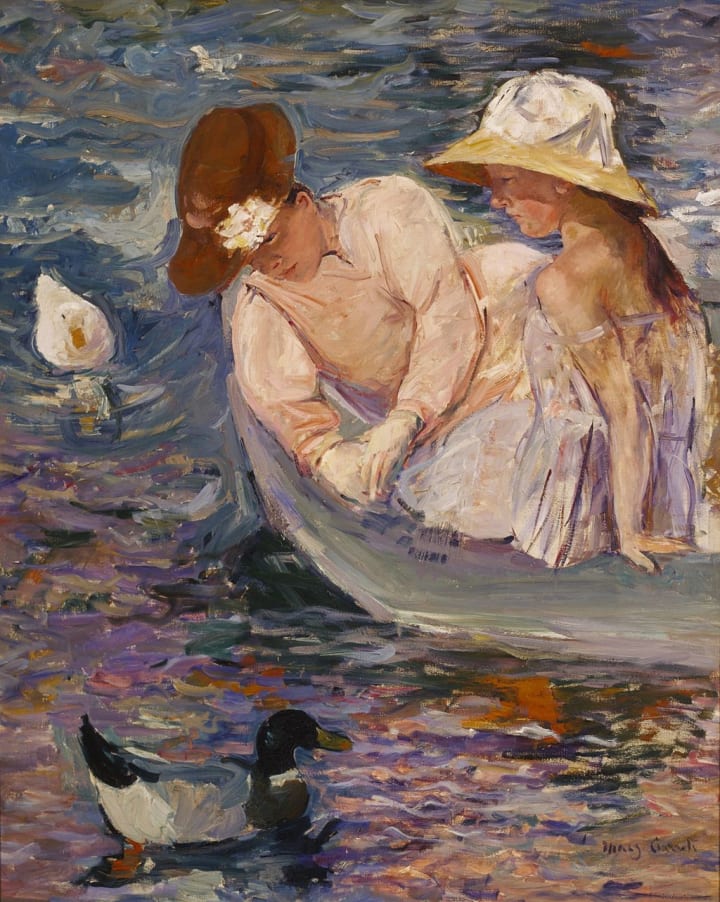
Mary’s professional journey into the art world began at the Pennsylvania Academy of Fine Arts. And once Mary got enamored with the newly emerged Impressionist movement in Europe, she didn't hesitate to move to France and settle in Paris to pursue her passion.
Fellow artists embraced and encouraged her. More so, her ability to capture beauty in simple daily acts and the bond between a mother and a child granted her a spot in a joint exhibition - making Mary the first American impressionist to exhibit her art in Paris. But she also remained true to her origins, bringing new ideas across the ocean and promoting the style she loved.
***
So, here they are - the ten remarkable female artists who pushed boundaries and paved the path for their contemporaries and future generations of talented artists. And now you know their names.
About the Creator
GD Madsen
A historian by education, a former journalist by profession, now living in the French countryside writing books and articles.
'Till Death We Do Art
There would be nothing divine in this world without art. Nature may surpass the divine to all intents and purposes, but like everything it absorbs and is absorbed by, it remains here, stuck on the surface of this world, ever-present, physically bound to the universe.
By Avocado Nunzella BSc (Psych) -- M.A.P 26 days ago in Art
The Rise of Decentralized Social Media and What It Means for Content Creators
For most of the past two decades, a small number of centralized platforms have dominated the social media landscape. Companies like Facebook, Instagram, X (formerly Twitter), and TikTok built massive ecosystems that attracted billions of users, but they did so under a model where the platform holds ultimate control over content, data, and revenue distribution. Creators who poured time and energy into building audiences on these platforms often found themselves at the mercy of opaque algorithms, sudden policy changes, and revenue-sharing structures that heavily favored the platform itself.
By Chaturbateme4 days ago in Art



Comments
There are no comments for this story
Be the first to respond and start the conversation.