
What Is Six Sigma
Six Sigma is a data-driven, process improvement methodology that originated in the manufacturing sector and has since been widely adopted across various industries.

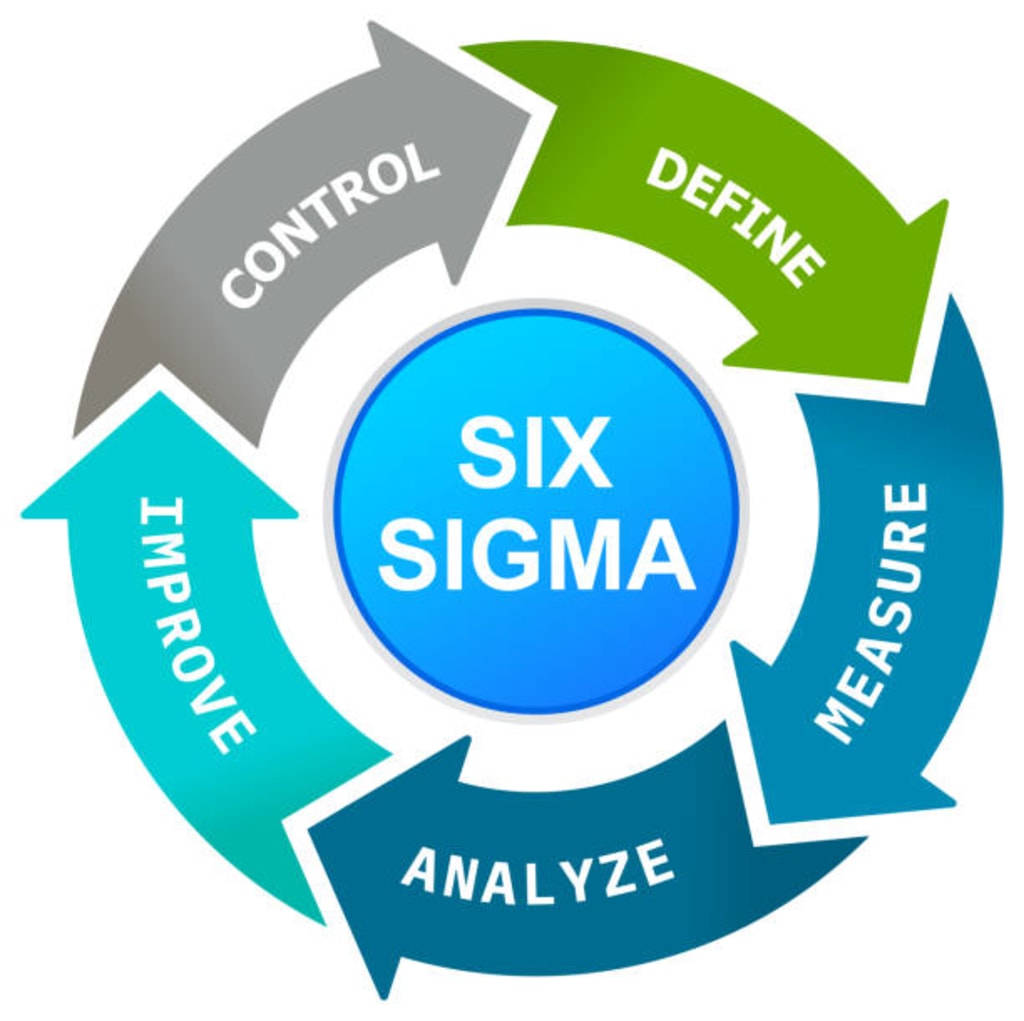
Six Sigma is a data-driven, process improvement methodology that originated in the manufacturing sector and has since been widely adopted across various industries. Developed by Motorola in the 1980s and popularized by companies like General Electric, Six Sigma aims to enhance operational efficiency, reduce defects, and improve overall quality by systematically identifying and eliminating errors or variations in processes. Here are key aspects of Six Sigma:
Key Principles:
Define:
Project Identification: Clearly define the project goals and objectives. Projects are typically selected based on their potential to improve customer satisfaction, reduce costs, or enhance efficiency.
Customer Focus: Emphasize a customer-centric approach by understanding and meeting customer requirements.
Measure:
Data Collection: Use statistical methods to gather relevant data about the process under scrutiny. This phase involves measuring key performance indicators (KPIs) and establishing a baseline for current performance.
Data Analysis: Analyze the collected data to identify patterns, trends, and areas of improvement.
Analyze:
Root Cause Analysis: Identify the root causes of defects or variations in the process. This involves using tools such as Pareto charts, fishbone diagrams, and regression analysis to pinpoint the factors contributing to issues.
Statistical Analysis: Apply statistical methods to assess the significance of different variables and their impact on the process.
Improve:
Optimization: Develop and implement solutions to address the identified root causes. This phase involves experimenting with process modifications to achieve better results.
Innovation: Encourage innovative approaches to streamline processes and enhance efficiency.
Control:
Standardization: Establish controls and standardize the improved process to ensure that the gains achieved are sustained over time.
Monitoring: Implement monitoring systems to track ongoing performance and quickly identify deviations from the established standards.
Key Methodologies and Tools:
DMAIC:
Define, Measure, Analyze, Improve, Control (DMAIC): This is the core framework of Six Sigma. It provides a structured approach for process improvement, guiding teams through each phase.
DMADV:
Define, Measure, Analyze, Design, Verify (DMADV): This framework is used for designing new processes or products with a focus on ensuring that they meet customer requirements and are defect-free from the start.
Statistical Tools:
Hypothesis Testing: To test and validate assumptions about the process.
Control Charts: To monitor process stability over time.
Regression Analysis: To identify relationships between variables.
Process Mapping:
Flowcharts: Visual representations of processes to identify inefficiencies and bottlenecks.
Quality Function Deployment (QFD):
A systematic approach to translating customer requirements into specific product or process features.
Benefits of Six Sigma:
Improved Quality:
Six Sigma aims to reduce defects and errors, leading to higher-quality products and services.
Increased Efficiency:
By streamlining processes and eliminating waste, organizations can achieve greater operational efficiency.
Customer Satisfaction:
Focusing on meeting customer requirements often results in increased customer satisfaction.
Cost Reduction:
Identifying and eliminating inefficiencies can lead to cost savings for organizations.
Data-Driven Decision-Making:
Six Sigma relies on data and statistical analysis, promoting informed and objective decision-making.
Organizational Culture:
Six Sigma often fosters a culture of continuous improvement and a commitment to excellence within an organization.
In summary, Six Sigma is a powerful methodology that empowers organizations to enhance their processes systematically. By applying statistical tools and methodologies, businesses can achieve sustainable improvements in quality, efficiency, and overall performance.
About the Creator
Md Parbajur Rahman
Affiliate Marketing Expert..
Keep reading
More stories from writers in 01 and other communities.
Outlook Account Hack: Complete Guide to Crack a Password
The Reality of Email Account Vulnerabilities Microsoft Outlook accounts represent more than just email inboxes—they serve as gateways to personal data, professional communications, and often as single sign-on keys to numerous other services. With over 400 million active users worldwide, Outlook has become a prime target for cybercriminals employing increasingly sophisticated methods. This comprehensive guide examines the legitimate security landscape, revealing how attackers exploit vulnerabilities while providing actionable strategies to fortify your digital identity. Understanding these threats isn't about enabling malicious behavior—it's about empowering users and administrators with the knowledge needed to build impenetrable defenses in an era where email security is paramount to both personal privacy and organizational integrity.
By Alexander Hoffmann7 days ago in 01
Cross Platform vs Native Mobile Apps in 2026
The tectonic plates of the Google ecosystem have shifted, fundamentally altering how mobile applications gain visibility and establish authority. This structural change demands an immediate reassessment of development strategies to mitigate significant risk exposure. The old rules for app discovery are rapidly dissolving.
By Devin Rosario3 days ago in 01
Autonomy Is The Real Privilege
Good morning, freedom-seekers! Today we’re gonna be looking at autonomy. A strange word, I know; one many would probably look at blankly and run away from on sight. We’re gonna figure out what it actually means, consider how it’s achieved, and decipher just how deeply most of us are tangled up in dependence without realising it.
By That ‘Freedom’ Guy4 days ago in Humans




Comments
There are no comments for this story
Be the first to respond and start the conversation.