
The Role of Advanced Technology in Non-Surgical Hair Restoration: From 3D Imaging to AI-Driven Treatment Plans
From 3D Imaging to AI-Driven Treatment Plans

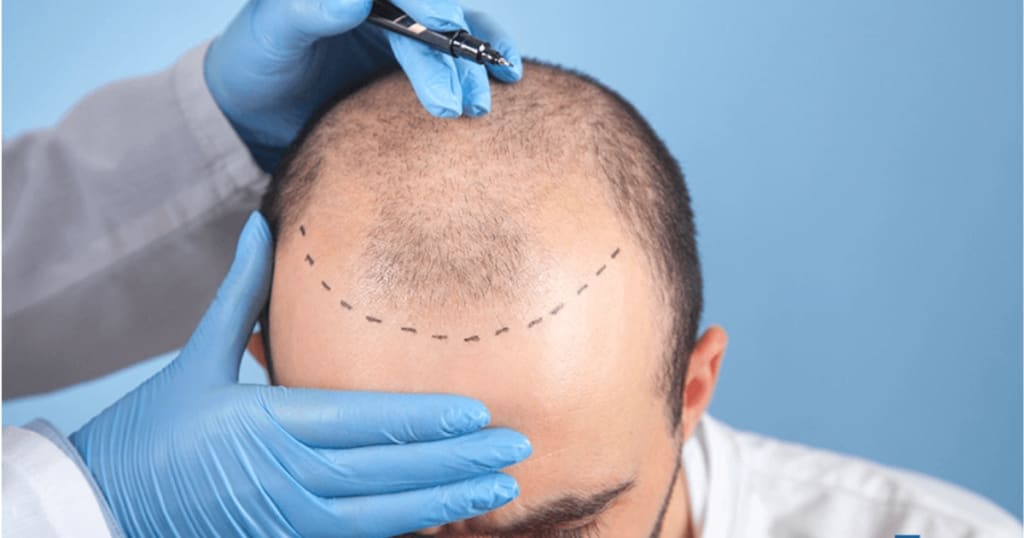
Hair loss is a concern that affects millions of people worldwide, causing psychological distress and impacting self-confidence. While hair transplantation has long been a popular surgical solution, the field of non-surgical hair restoration has seen remarkable advancements in recent years. One of the most exciting aspects of this evolution is the integration of cutting-edge technologies, which are not only improving the effectiveness of treatments but also offering innovative, non-invasive alternatives for those seeking hair restoration.
Among the technological advancements in this field are 3D imaging, scalp micropigmentation, and artificial intelligence (AI)-driven treatment plans. These technologies have transformed the way professionals approach hair restoration, making procedures more accurate, personalized, and less invasive. In this article, we will explore how these technologies are revolutionizing non-surgical hair restoration, with a special focus on medical tattooing techniques like scalp micropigmentation that offer solutions for both hair loss and compromised skin conditions.
The Evolution of Non-Surgical Hair Restoration
Non-surgical hair restoration has gained popularity because it provides patients with a less invasive and often more affordable alternative to hair transplants. Historically, treatments such as medications (e.g., minoxidil) and laser therapies were the go-to solutions. However, these methods have limitations in terms of both effectiveness and patient experience.
With the advancement of medical technologies, non-surgical options are now expanding in scope, offering more promising and customizable results. Whether it’s using 3D imaging for accurate hairline design or employing AI to create personalized treatment plans, these technologies offer greater precision and a tailored approach to hair restoration.
3D Imaging: A Revolutionary Approach to Personalized Hair Restoration
One of the most significant innovations in non-surgical hair restoration is the use of 3D imaging technology. Traditionally, creating a custom hair restoration plan required a hands-on approach, with the physician assessing the patient's scalp and manually designing a treatment plan. While effective, this method often relied on the practitioner’s experience and intuition, leaving room for human error.
With 3D imaging technology, professionals can now generate a highly detailed, three-dimensional map of the scalp, providing an accurate representation of the hair loss pattern, hair density, and overall scalp condition. This allows for precise measurements, enabling practitioners to plan hair restoration treatments that are tailored to the patient's unique anatomy.
Moreover, the ability to visualize the scalp in 3D helps professionals predict how the hair restoration process will evolve over time. They can simulate the results of various treatments, such as hair transplants or scalp micropigmentation, to provide patients with a realistic preview of what to expect. This added layer of precision not only enhances the patient experience but also ensures better outcomes in terms of natural-looking results.
One company at the forefront of this technology is Elevate You Studio, which integrates 3D imaging with scalp micropigmentation to create more realistic and customized hair restoration solutions. For those interested in learning more about this technology, Elevate You Studio offers consultations where patients can witness firsthand how 3D imaging is used to design hair restoration treatments. Learn more here.
AI-Driven Treatment Plans: The Future of Personalized Hair Restoration
Artificial Intelligence (AI) has become an essential tool in healthcare, with applications ranging from diagnostic imaging to treatment planning. In the field of non-surgical hair restoration, AI is now playing a pivotal role in creating personalized treatment plans.
AI-driven platforms analyze vast amounts of data from a patient’s medical history, lifestyle, and scalp condition to design customized restoration treatments. By processing this information, AI can generate personalized recommendations for products (such as topical solutions) and non-invasive treatments (like PRP therapy or laser hair therapy). This helps eliminate the trial-and-error approach that is often associated with non-surgical hair restoration, ensuring a more efficient and effective treatment experience.
AI also helps predict how the patient’s hair will respond to specific treatments over time. It can forecast the likelihood of success based on historical data and a patient’s unique characteristics. As a result, AI-driven treatment plans improve the precision of hair restoration procedures, leading to better outcomes for patients.
At Elevate You Studio, AI is integrated into their scalp micropigmentation process. Using AI, technicians can create an individualized hairline design that complements the patient’s facial features and natural hair growth patterns. This results in a more harmonious and realistic look for patients undergoing non-surgical hair restoration treatments.
Scalp Micropigmentation: A Non-Surgical Solution for Hair Loss
Scalp micropigmentation (SMP) is one of the most sought-after non-surgical solutions for hair loss. This innovative procedure involves the application of tiny pigment deposits to the scalp to replicate the appearance of hair follicles. By simulating the natural look of hair, SMP offers patients the illusion of a fuller head of hair, even in areas of significant hair loss.
The primary advantage of SMP is its versatility. It can be used to treat various forms of hair loss, including male and female pattern baldness, receding hairlines, and thinning hair. Additionally, SMP can be an excellent option for individuals who are not candidates for hair transplants due to insufficient donor hair or those who wish to avoid surgery altogether.
SMP can also be used to camouflage scars left from previous hair transplant surgeries or other scalp injuries. This makes it an ideal solution for individuals with compromised skin, including those with stretch marks or post-surgical scars. By blending the pigment into the scalp, SMP improves the overall appearance, creating a smooth, uniform skin tone.
For those looking for an experienced provider of scalp micropigmentation, Elevate You Studio offers a range of services tailored to meet each patient’s unique needs. Their expert technicians use the latest technology to create customized, natural-looking results that last. Discover more about scalp micropigmentation here.
Medical Tattooing for Compromised Skin: Improving Skin Appearance on Scars and Stretch Marks
Medical tattooing, also known as paramedical tattooing, is a specialized form of tattooing used to improve the appearance of compromised skin. This technique involves the application of pigment to areas affected by scars, stretch marks, or skin discoloration, effectively camouflaging these imperfections.
While medical tattooing is often associated with breast reconstruction after mastectomy, it is also highly effective in treating scalp scars caused by hair transplant surgery, burns, or accidents. The pigment used in medical tattooing blends seamlessly with the skin’s natural tone, creating the illusion of normal skin texture and color.
For individuals who have experienced hair loss, medical tattooing can enhance the appearance of their scalp and create a more uniform look. By strategically applying pigment to areas with thinning or absent hair, medical tattooing can replicate the natural appearance of hair follicles, further enhancing the effects of non-surgical hair restoration treatments like scalp micropigmentation.
This innovative technique has been widely adopted in the field of cosmetic dermatology, and its benefits extend far beyond hair restoration. It provides individuals with a non-invasive option to improve the appearance of scars, stretch marks, and other skin imperfections, boosting confidence and self-esteem.
The Future of Non-Surgical Hair Restoration: Advancements on the Horizon
As technology continues to evolve, the future of non-surgical hair restoration looks incredibly promising. We can expect even more sophisticated tools and techniques, such as advanced AI algorithms for even more precise treatment planning, the integration of regenerative medicine (such as stem cells) for hair growth, and enhanced imaging systems that allow for real-time scalp assessments.
The combination of these technologies will enable practitioners to provide faster, more efficient, and highly personalized treatment options to patients. Additionally, the development of non-invasive treatments that stimulate natural hair growth and reverse hair thinning will likely play a significant role in reshaping the future of hair restoration.
In conclusion, the role of advanced technology in non-surgical hair restoration is transforming the way we approach hair loss. From 3D imaging and AI-driven treatment plans to scalp micropigmentation and medical tattooing for compromised skin, these innovations are offering patients new hope for achieving fuller, natural-looking hair without the need for invasive surgery. As technology continues to advance, non-surgical hair restoration will only become more accessible, effective, and customizable, empowering individuals to regain not only their hair but their confidence as well.
About the Creator
Elevate You Studio
My name is Gina, I am specialized in tattooing on compromised skin such as scars and stretchmarks to improve their appearance using the latest micro-pigmentation tattoo technique.
https://www.elevateyoustudio.com
Keep reading
More stories from Elevate You Studio and writers in 01 and other communities.
Tattoo vs. Creams: Which is More Effective for Concealing Stretch Marks?
Stretch marks are a common skin concern that many people seek to reduce or conceal. These visible lines, which often appear after rapid skin stretching due to pregnancy, weight changes, or growth spurts, can impact one’s confidence. As a result, there is a growing interest in treatments for minimizing or hiding these marks, with two of the most popular options being tattooing and creams. Both approaches have their own merits and challenges, but the question remains: which is more effective for concealing stretch marks?
By Elevate You Studio11 months ago in 01
App Development Cost in Wisconsin: What You Need to Know
So, you’ve got a "million-dollar idea" for an app. Great. But before you start dreaming of Silicon Valley exits, we need to talk about the actual bank balance you’ll need to get a dev team in the Badger State to look at your specs. Real talk, building software in 2026 isn't the Wild West it used to be, but it sure isn't cheap.
By Sherry Walkerabout 12 hours ago in 01
Service in major U.S. cities is disrupted by a massive Verizon network outage. Cities
On Wednesday, January 14, 2026, Verizon Communications experienced a widespread network failure that disrupted voice and data services for tens of thousands of customers across the United States. Users were unable to make calls, send texts, or access mobile internet for several hours as a result of the outage, which was one of the largest in recent memory for the nation's largest wireless carrier. This prompted emergency alerts to be issued in some cities and prompted fresh inquiries regarding the reliability of networks in a world that is becoming increasingly connected.
By Raviha Imran5 days ago in 01
Silver Screen Magic with Mae West
American actress and singer Mae West became a popular film actress during the Great Depression. She started entertaining in vaudeville, then performed on Broadway, and finally went to Hollywood. She signed up with Paramount Pictures and made her debut in the 1932 film “Night After Night.” She also starred in musicals, comedies, and crime dramas. The American Film Institute named her one of the best classic Hollywood actresses.
By Rasma Raisters6 days ago in Geeks




Comments
There are no comments for this story
Be the first to respond and start the conversation.