
Tattoo vs. Creams: Which is More Effective for Concealing Stretch Marks?
Tattoo vs. Creams: Which is More Effective for Concealing Stretch Marks?

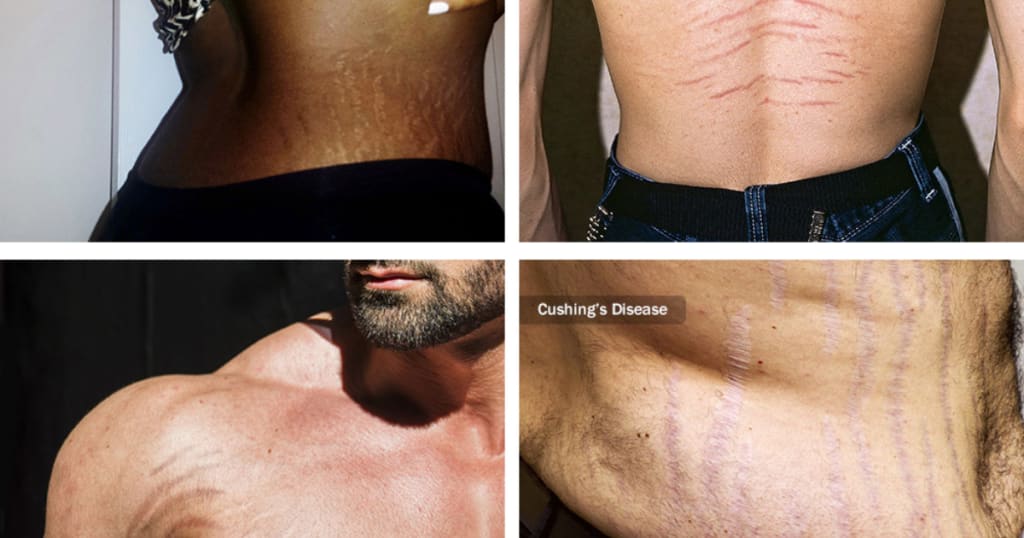
Stretch marks are a common skin concern that many people seek to reduce or conceal. These visible lines, which often appear after rapid skin stretching due to pregnancy, weight changes, or growth spurts, can impact one’s confidence. As a result, there is a growing interest in treatments for minimizing or hiding these marks, with two of the most popular options being tattooing and creams. Both approaches have their own merits and challenges, but the question remains: which is more effective for concealing stretch marks?
This article delves into the comparison between tattooing and creams for stretch mark concealment, offering insights into the effectiveness, benefits, risks, and suitability of each option. By the end, readers will have a clearer understanding of which method may be more appropriate for their skin.
Understanding Stretch Marks: What Are They?
Before diving into the options for concealing stretch marks, it’s important to understand what they are. Stretch marks, or striae, are scars that form when the skin is stretched too quickly or intensely. These marks typically begin as red, purple, or dark brown streaks before eventually fading to a paler color. Stretch marks are most common on areas of the body like the stomach, thighs, hips, breasts, and arms.
Stretch marks form when the dermis (the middle layer of the skin) is stretched beyond its elastic limits, causing damage to collagen fibers. The severity of stretch marks can vary depending on factors like genetics, skin type, and the speed at which the skin stretches. While they are generally harmless, they can be aesthetically concerning for some individuals.
Tattoos for Concealing Stretch Marks: An Innovative Approach
Tattooing, specifically medical tattooing, is an increasingly popular method for concealing stretch marks. Medical tattoos are designed to improve the appearance of compromised skin, such as scars, burns, or stretch marks. The process involves using pigments and tattooing techniques to match the skin’s natural tones, blending the stretch marks into the surrounding skin and making them less visible.
How Medical Tattooing Works for Stretch Marks
The process of tattooing stretch marks starts with a consultation with a trained professional who specializes in medical tattooing. The artist will assess the area, discuss color options, and determine the best approach for blending the stretch marks with the surrounding skin tone. The tattooing technique involves the careful placement of pigments beneath the skin, creating a more uniform appearance.
Unlike traditional tattoos, which are meant to be bold and colorful, medical tattooing uses subtle, skin-tone pigments to match the color of the surrounding skin as closely as possible. This process is designed to camouflage stretch marks, making them significantly less noticeable.
Key Benefits of Tattooing for Stretch Marks:
- Long-lasting Results: One of the primary benefits of tattooing is that the results are permanent. Once the pigment is applied to the skin, it stays there, requiring no further maintenance or reapplication.
- Natural Appearance: Medical tattooing can be customized to closely match the natural skin tone, resulting in a more seamless blend with the surrounding skin. It can make stretch marks less noticeable or even entirely concealed.
- Minimal Downtime: Compared to other treatments, tattooing typically involves a short recovery period. The skin may experience some redness and irritation immediately after the procedure, but these symptoms usually subside quickly.
- No Need for Daily Application: Unlike creams that need to be applied daily, tattoos are a one-time treatment that requires no maintenance, making them a more convenient option for many people.
Considerations and Risks of Tattooing for Stretch Marks
While tattooing can be highly effective, it is not suitable for everyone or for every type of stretch mark. Here are some considerations to keep in mind:
- Not Ideal for Active Stretch Marks: If your stretch marks are still in the red, purple, or dark brown stage, tattooing may not be the best option. It is generally recommended to wait until the stretch marks have fully healed and faded before undergoing a tattooing procedure.
- Cost: Medical tattooing can be expensive, especially if the area being treated is large. Multiple sessions may be required, depending on the severity of the stretch marks.
- Risk of Infection: As with any tattoo, there is a risk of infection if proper aftercare instructions are not followed. It’s essential to work with a certified professional who follows strict hygiene protocols.
- Possible Discomfort: While tattooing on stretch marks is typically not as painful as traditional tattooing, the area around stretch marks can sometimes be more sensitive, leading to discomfort during the procedure.
For more information on how medical tattooing can help conceal stretch marks, visit Elevate You Studio’s stretch marks inkless tattoo services.
Creams for Stretch Marks: A Conservative Approach
Topical creams are perhaps the most well-known and accessible solution for reducing the appearance of stretch marks. Various creams, lotions, and oils are marketed as stretch mark treatments, claiming to fade or reduce the appearance of these marks over time. These products often contain ingredients like retinoids, hyaluronic acid, cocoa butter, and vitamin E.
How Do Stretch Mark Creams Work?
Stretch mark creams primarily work by improving skin elasticity and promoting collagen production. Ingredients such as retinoids (which stimulate collagen production) and hyaluronic acid (which helps hydrate the skin) are commonly found in many stretch mark creams. The idea is to improve the skin’s texture and make stretch marks less noticeable.
For best results, most creams require consistent application over weeks or even months. The process can be slow, but with enough time, these creams may reduce the intensity of stretch marks.
Key Benefits of Stretch Mark Creams:
- Non-invasive: One of the most significant advantages of using creams is that they are a non-invasive treatment option. They don’t involve needles, tattoos, or any form of surgery.
- Affordable: Compared to medical tattooing, stretch mark creams are much more affordable. They can be purchased over-the-counter or online and can be used in the comfort of your own home.
- Easy to Use: Most stretch mark creams are simple to apply and require no special skill. Users can integrate them into their daily skincare routine without disrupting their lives.
- Multiple Treatment Options: With a variety of ingredients and formulations available, individuals can choose a cream that works best for their skin type and needs.

Considerations and Risks of Stretch Mark Creams
While creams offer convenience and affordability, there are also several downsides:
- Slow Results: The results of using stretch mark creams can be slow to show. It may take weeks or even months of consistent use before any noticeable improvement is seen.
- Effectiveness Varies: The effectiveness of stretch mark creams can vary depending on the type and severity of the stretch marks. In some cases, creams may not significantly improve the appearance of deep or older stretch marks.
- Side Effects: Some creams, particularly those containing retinoids, may cause skin irritation or sensitivity. It’s important to test a small area before applying a new cream to ensure there are no adverse reactions.
- Short-Term Results: While creams may help fade stretch marks temporarily, they often require continuous application to maintain results. If you stop using the product, stretch marks may begin to reappear.
Which Option is Best for You?
Choosing between tattooing and creams ultimately depends on your personal preferences, budget, and the nature of your stretch marks. Here’s a quick guide to help you decide:
- Tattooing is ideal for those who want long-lasting, immediate results without having to maintain a daily routine. It’s best suited for individuals with older, healed stretch marks that are no longer inflamed.
- Creams are best for those who prefer a more gradual, affordable approach to reducing the appearance of stretch marks. If you’re willing to be patient and consistent with application, creams can work well, especially for mild to moderate stretch marks.
Conclusion
Both tattoos and creams offer potential solutions for concealing stretch marks, but they cater to different needs and preferences. Medical tattooing is an effective, long-term solution for camouflaging stretch marks, while creams offer a non-invasive, more affordable way to gradually reduce their appearance. Each method has its own set of benefits and limitations, and the best choice depends on your skin type, budget, and desired outcome.
If you're interested in exploring tattooing for stretch marks, be sure to consult a trained professional to determine whether it’s the right solution for your skin. You can find more information about medical tattooing services at Elevate You Studio.
About the Creator
Elevate You Studio
My name is Gina, I am specialized in tattooing on compromised skin such as scars and stretchmarks to improve their appearance using the latest micro-pigmentation tattoo technique.
https://www.elevateyoustudio.com
Keep reading
More stories from Elevate You Studio and writers in 01 and other communities.
What Types of Scars Are Suitable for Scar Camouflage Tattoos?
Scarring is a natural part of the healing process after injury, surgery, or skin conditions, but it can often leave behind marks that may affect an individual's confidence or self-esteem. While there are several methods available to treat scars, one increasingly popular approach is scar camouflage tattooing. This form of medical tattooing can help conceal scars by blending them into the surrounding skin tone, making them less noticeable. However, not all scars are suitable for this type of treatment. In this article, we will explore the types of scars that are best suited for camouflage tattoos, how the process works, and why some scars might not be ideal candidates.
By Elevate You Studioabout a year ago in 01



Comments
There are no comments for this story
Be the first to respond and start the conversation.