
The Importance of Intention in Islam: A Key to Spiritual Success
How Intentions Shape Our Spiritual Journey in Islam
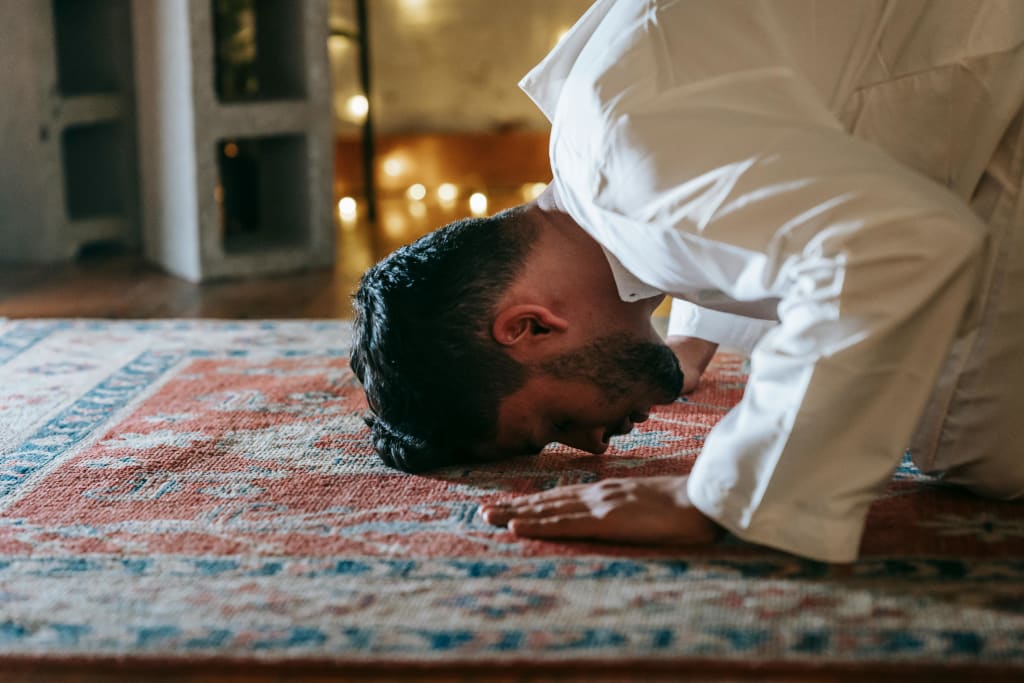
In Islam, the concept of niyyah (intention) holds a profound place in shaping the quality and acceptance of one’s actions. The Messenger of Allah (peace and blessings be upon him) said, “Verily, actions are judged by intentions.” This highlights that the true value of any deed lies not just in the action itself but in the purpose and intention behind it.
What is Niyyah (Intention)?
In Islam, niyyah refers to the internal declaration of one’s purpose before performing any act of worship or daily tasks. Whether it is Salah (prayer), fasting, giving charity, or even mundane activities like working or eating, Muslims are encouraged to ensure that their intentions align with seeking the pleasure of Allah.
Intentions serve as the foundation upon which actions are judged. Even if the action appears to be good outwardly, without the right intention, its spiritual reward may be diminished or nullified. Conversely, an act with a pure intention can elevate simple, everyday tasks into acts of worship.
The Significance of Intention in Worship
Every act of worship in Islam requires the correct niyyah. It transforms ordinary activities into acts of devotion. For example:
Salah (Prayer): Before starting prayer, a Muslim must make a conscious intention to perform the act for the sake of Allah alone.
Fasting in Ramadan: The fast is only valid when the intention to fast is made the night before.
Zakah (Charity): Giving charity without the intention of pleasing Allah may bring temporary satisfaction but not the eternal reward that comes from sincerity.
Even when engaging in acts of kindness or helping others, it is essential to have the intention to seek Allah’s pleasure rather than worldly recognition or praise.
The Role of Intention in Daily Life
Islam emphasizes that good intentions are not limited to formal acts of worship. Every moment of a Muslim’s life can be infused with worship if the right intention is present. Prophet Muhammad (peace and blessings be upon him) said, "There is no charity that is too small, even if it is only meeting your brother with a smiling face." A simple smile, when done with the intention of following the Sunnah and spreading goodwill, becomes an act of charity in the sight of Allah.
Consider the daily tasks we perform, such as working to provide for our family, exercising to maintain health, or even studying. When done with the intention of seeking Allah’s pleasure, these actions can be rewarded as acts of worship.
Rectifying Our Intentions
Maintaining pure intentions requires regular self-reflection. It is easy to start with sincere motives but get sidetracked by desires for recognition, praise, or material gain. This is why scholars advise us to constantly renew our niyyah. Checking one’s intention at the start, during, and after the act is a good practice to ensure sincerity remains intact.
The great scholar Ibn al-Qayyim said, “A person’s intention can be stronger than his deed, and his heart may have the purest intention even if he is incapable of performing the action.” This shows that the power of intention transcends physical ability. Even when unable to carry out an action, a sincere intention can still earn Allah’s reward.
Rewards of Good Intentions
One of the beauties of Islam is that even good intentions, without the actual act, can earn reward. For example, a person who sincerely intends to give charity but is unable to do so due to circumstances will still be rewarded for their intention. This generosity of Allah towards His servants encourages believers to consistently aim for righteous deeds, even if their efforts fall short.
Additionally, a bad intention that is not acted upon does not incur sin, whereas a good intention, even without the action, can lead to reward. This mercy shows how Islam values the internal state of the heart and mind just as much as physical deeds.
Conclusion
In Islam, the power of intention (niyyah) cannot be overstated. It is the key to ensuring that our actions are spiritually meaningful and accepted by Allah. Whether in acts of worship or our daily routines, maintaining pure intentions transforms our lives into continuous devotion to the Creator. As Muslims, we should constantly renew our niyyah and strive to align every action with seeking the pleasure of Allah, knowing that even the smallest deed, when done with sincerity, holds immense value in the sight of Allah.
About the Creator
Keep reading
More stories from writers in 01 and other communities.
A Complete Submissive Guide For Beginners: 8 Simple Steps To Being a Great Submissive
Do you get sexual pleasure from submitting or giving up control to your partner? Would you like to establish a full-time sub/dom relationship and become a perfect submissive? If so, you have landed on the right blog.
By Intelligent Creator5 days ago in 01
Can You Send a Fax from Your Phone, and How?
We primarily associate faxing with sending necessary documents using a special device connected to a telephone line. Indeed, until recently, this was the standard practice, and businesses relied heavily on bulky fax machines that dominated office spaces. But the world of document transmission has evolved significantly. What does faxing look like in today's mobile-first environment? Is the process truly simpler? Most importantly, can you accomplish this task directly from your smartphone?
By Arooj Manoor8 days ago in 01
Time to change your life.
Is it even possible for you to change your life? A lot of people, more than there should be, are unhappy with their lives. But what are they doing about it? Usually nothing. People talk about how shitty their lives are and want change, but are they not taking the actions to change?
By Jen Phillips2 days ago in Humans




Comments (1)
Amazing approach! As a Muslim, it really helps me to improve my knowledge. I also write informative, fictional and philosophical pieces I'll be glad if you also appreciate my work as well.