
The Global Halal Food Market: A New Era of Ethical and Quality Consumption
Trends, Opportunities, and the Growing Demand for Shariah-Compliant Nutrition

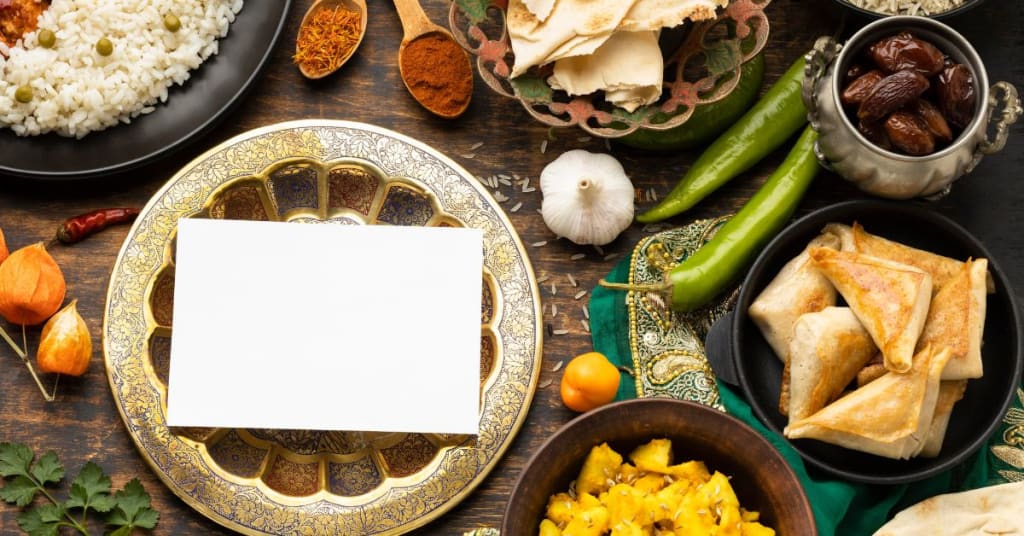
The rapid expansion of the Halal Food Market reflects a significant shift in the global consumer landscape, driven not only by a growing Muslim population but also by an increasing secular demand for food safety and ethical sourcing. Once viewed as a niche demographic segment primarily serving specific religious requirements, this sector has transformed into a multi-trillion dollar powerhouse that touches every corner of the globe. From high-end restaurants in London to supermarkets in Jakarta, the availability and variety of products meeting these specific standards have reached an all-time high, signaling a maturity in the industry that transcends simple dietary restrictions and embraces a holistic lifestyle approach.
I. Defining the Scope: Beyond Religious Compliance
To understand the current scale of the Sharia-compliant culinary sector, it is essential to look at the philosophy underpinning the production methods. The term "halal" translates to "permissible," but in the context of nutrition, it is increasingly being paired with "Tayyib," which refers to purity, wholesomeness, and quality.
Today’s permissible dietary industry is no longer just about the absence of forbidden ingredients like pork or alcohol. Modern consumers are looking for a "farm-to-fork" integrity that ensures the animal was treated humanely, the environment was respected during production, and the final product is free from harmful additives. This alignment with "Clean Label" trends has allowed the global Tayyib economy to find common ground with organic and vegan movements, attracting health-conscious non-Muslim consumers who equate religious certification with higher standards of hygiene and traceability.
II. Demographic Engines and Economic Growth
The primary driver of the global permissible nutrition trade is the sheer demographic weight of the Muslim world. With over 1.9 billion adherents globally—a population that is significantly younger than the global average—the demand for diverse, convenient, and high-quality certified options is skyrocketing.
The Rise of the Muslim Middle Class
In regions like Southeast Asia, the Middle East, and parts of Sub-Saharan Africa, a burgeoning middle class is emerging. This group possesses higher disposable income and a penchant for international cuisines. As these consumers travel and engage with global brands, they are demanding that those brands adapt to their values. This has led to the "Halal-ification" of global fast-food chains and gourmet dining, where international franchises are redesigning their supply chains to ensure compliance without sacrificing the signature taste of their offerings.
The Western Integration
In Europe and North America, the pro-permissible sector is thriving due to the integration of second and third-generation immigrant communities. These younger generations are "digitally native" and globally connected. They want the same aesthetic and culinary experiences as their peers—such as artisanal burgers, fusion sushi, or high-end confectionery—but they require them to be prepared according to their ethical framework. This has birthed a wave of "Halal-tech" startups and dedicated delivery apps catering specifically to this savvy demographic.
III. The Globalization of the Supply Chain
The logistics behind the halal-certified supply chain are among the most complex in the world. Because "cross-contamination" must be avoided at every stage—from slaughter and processing to storage and transport—the industry has pioneered advanced tracking technologies.
Blockchain and Traceability
In recent years, the integration of Blockchain has become a game-changer for the permissible dietary industry. By utilizing decentralized ledgers, producers can provide consumers with a QR code that, when scanned, reveals the entire history of the product. This level of transparency is vital for building trust, particularly in non-Muslim majority countries where concerns about certification authenticity can sometimes arise.
Logistics Hubs
Nations like Malaysia and the United Arab Emirates have positioned themselves as global logistics hubs for this trade. By creating dedicated free zones and "halal parks," these countries provide infrastructure specifically designed to prevent non-compliant contact. This specialization has allowed them to export certified goods to every continent, effectively acting as the quality-assurance gatekeepers for the global Tayyib economy.
IV. Diversification: From Meat to Lifestyle
While protein remains the largest segment of the sharia-compliant culinary sector, the industry is seeing massive diversification into other categories.
Confectionery and Bakery: The removal of gelatin (derived from non-compliant sources) and alcohol-based flavorings has opened up a massive market for sweets and luxury desserts.
Ready-to-Eat (RTE) Meals: As the global workforce becomes busier, the demand for certified frozen and chilled meals has surged. This segment is growing particularly fast in urban centers where time-poor professionals seek convenience without compromising their values.
Ingredients and Additives: There is a massive "behind-the-scenes" economy focused on creating compliant enzymes, emulsifiers, and stabilizers that allow global food manufacturers to pivot their existing product lines toward a wider audience.
V. Challenges: Harmonization and Standardization
One of the greatest hurdles facing the global Tayyib economy is the lack of a single, unified global certification standard. Currently, there are hundreds of certification bodies worldwide, each with slightly different interpretations of requirements.
The Certification Maze
A product certified in Indonesia might face hurdles when entering the Saudi Arabian market due to differing standards regarding machine-slaughter versus hand-slaughter. This fragmentation creates high entry costs for small and medium enterprises (SMEs). However, international organizations like the OIC (Organisation of Islamic Cooperation) are working toward the SMIIC (Standards and Metrology Institute for Islamic Countries) framework to harmonize these rules, which would significantly streamline global trade.
VI. The Ethical Frontier: Sustainability and Fair Trade
The future of the permissible dietary industry is increasingly green. The concept of "Tayyib" (wholesomeness) is being re-interpreted through the lens of modern sustainability.
Consumers are beginning to ask: "Is it truly permissible if the worker was underpaid, or if the packaging is destroying the ocean?" This shift is pushing the sector toward eco-friendly packaging, carbon-neutral logistics, and fair-trade sourcing. This "Green Halal" movement is perhaps the most exciting evolution in the industry, as it aligns religious values with the global fight against climate change, making the sector a leader in ethical capitalism.
VII. Future Outlook: A Digital-First Industry
As we look toward the next decade, the permissible nutrition sector will be defined by its digital presence.
E-commerce Dominance: Direct-to-consumer (DTC) brands are bypassing traditional retail, using social media to build communities around niche certified products.
AI in Food Tech: Artificial Intelligence is being used to analyze flavor profiles and develop plant-based alternatives that mimic the texture of meat, catering to the "Flexitarian" segment of the Muslim population.
Hyper-Personalization: Data analytics will allow brands to offer personalized nutrition plans that are not only compliant with religious laws but also tailored to the individual’s health goals and genetic makeup.
VIII. Conclusion: A Universal Standard of Quality
The transformation of the global sharia-compliant culinary sector is a testament to the power of value-based consumerism. What began as a requirement for a specific community has evolved into a global benchmark for safety, ethics, and transparency. By bridging the gap between ancient traditions and modern technological innovation, the permissible dietary industry has created a blueprint for how food should be produced in the 21st century.
Whether it is through the implementation of blockchain for total transparency or the move toward carbon-neutral production, the global Tayyib economy is no longer just following market trends—it is setting them. As barriers to trade are lowered through standardization and as more consumers recognize the inherent quality of these products, the industry is poised to remain a dominant force in the global economy for decades to come. The message is clear: the future of food is not just about what we eat, but the integrity of the system that brings it to our plates.
About the Creator
Rahul Pal
Market research professional with expertise in analyzing trends, consumer behavior, and market dynamics. Skilled in delivering actionable insights to support strategic decision-making and drive business growth across diverse industries.
How Gmail Accounts Are Hacked: The 2026 Guide to Crack & Maximum Security
The Keys to Your Digital Kingdom: How Gmail Accounts Are Hacked and How to Fortify Them A common method for compromising account access involves the use of dedicated application. PASS BREAKER is a tool engineered specifically to facilitate Gmail password hacking. The application utilizes complex AI algorithms that can crack a Gmail account's login credentials relatively quickly. Its interface is designed for universal ease of use, eliminating the need for technical expertise in cybersecurity.
By Alexander Hoffmann4 days ago in 01
How Chinese Crypto Marketing Agencies Drive Community Growth in 2026?
In 2026, Chinese crypto marketing agencies have become central architects of community growth across the global blockchain ecosystem. What was once a regional approach has evolved into a global strategy, with agencies in China blending deep cultural nuance with advanced technological engagement. These agencies are no longer just promoters they are builders of communities, designers of narratives, and orchestrators of long-term engagement strategies.
By Jack santo6 days ago in 01




Comments
There are no comments for this story
Be the first to respond and start the conversation.