
The Dark Side of Social Media: How It Affects Mental Health
Social media has become an integral part of our daily lives. While it connects us with friends, provides entertainment, and even serves as a source of news, there is a darker side that often goes unnoticed. Excessive use of social media can negatively impact mental health, leading to anxiety, depression, and addiction. Here’s how social media affects mental health and what you can do to protect yourself.

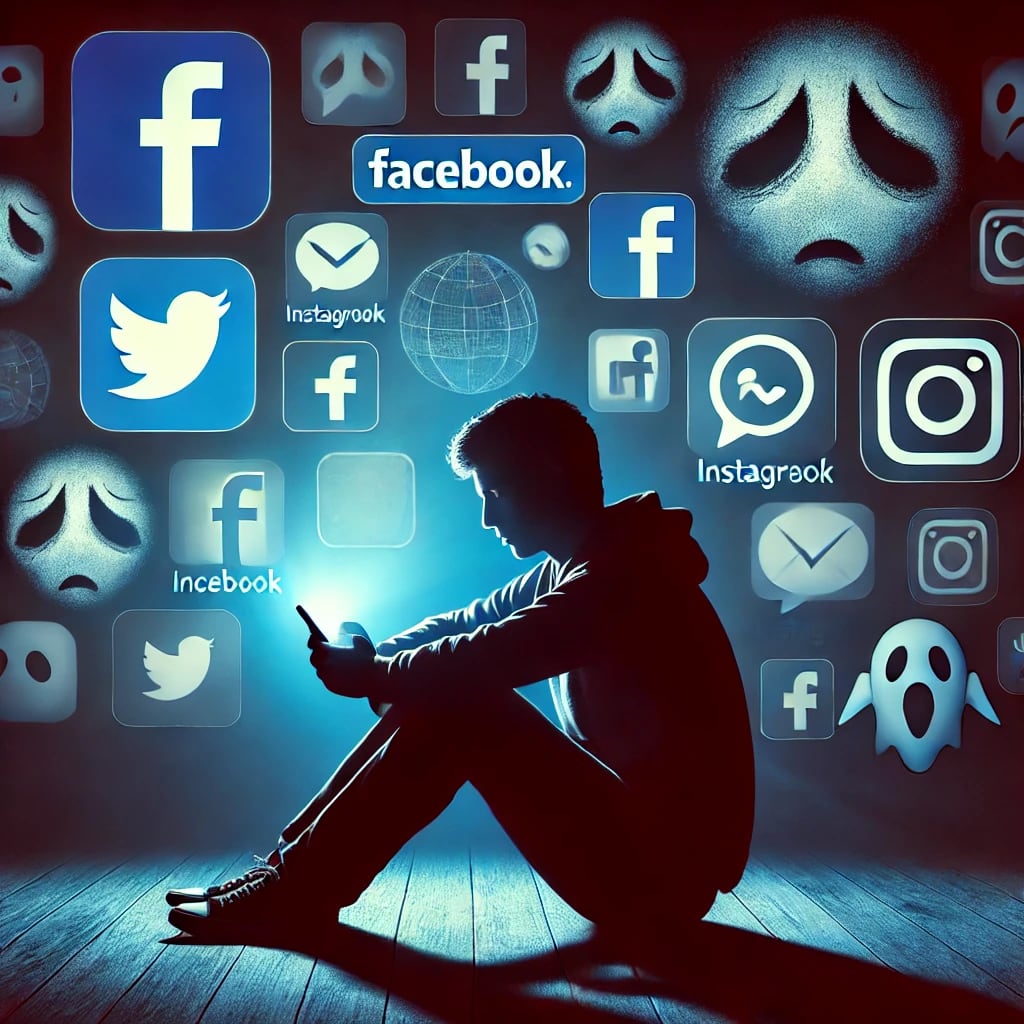
Social media has become an essential part of modern life, allowing people to connect, share, and stay informed. However, beneath its glossy surface, social media also harbors a darker side that can negatively impact mental health. From anxiety and depression to addiction and cyberbullying, excessive social media use can lead to severe psychological consequences. In this article, we explore how social media affects mental well-being and provide tips to minimize its harmful effects.
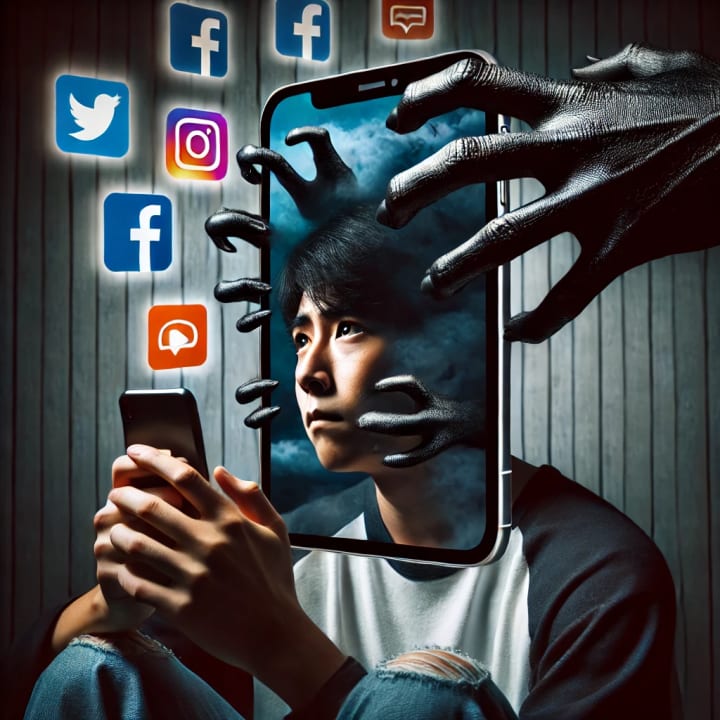
The Anxiety of Comparison
One of the most damaging aspects of social media is the culture of comparison it fosters. People often post curated highlights of their lives, showcasing vacations, achievements, and picture-perfect moments. When users constantly compare their reality to these idealized portrayals, they may feel inadequate or left behind, leading to anxiety and self-doubt. This phenomenon, known as the "comparison trap," can be particularly harmful to teenagers and young adults.
How to Cope:
Follow accounts that promote positivity and self-acceptance.
Limit screen time and take breaks from social media.
Remind yourself that social media is a highlight reel, not reality.
Depression and Isolation
Studies have found a strong correlation between excessive social media use and increased depression rates. The constant pressure to gain likes, comments, and approval can contribute to low self-esteem. Furthermore, despite being more connected than ever, people who rely on social media for social interactions may feel lonelier in real life. The more time spent online, the less time is devoted to genuine, face-to-face relationships.
How to Cope:
Engage in real-life social interactions with family and friends.
Unplug regularly and enjoy activities that don't involve screens.
Seek professional help if feelings of depression persist.
The Addictive Nature of Social Media
Social media platforms are designed to keep users engaged for as long as possible. Features like infinite scrolling, push notifications, and algorithm-driven content create a cycle of dopamine rewards, similar to gambling. This addiction can lead to decreased productivity, sleep disturbances, and an overall decline in mental well-being.
How to Cope:
Set daily limits on social media use with app controls.
Turn off non-essential notifications to reduce distractions.
Replace social media time with healthier activities like reading or exercise.
Sleep Disruptions
Many people use their phones late at night, mindlessly scrolling through social media before bed. However, screens emit blue light that interferes with melatonin production, making it harder to fall asleep. Poor sleep can worsen stress, anxiety, and overall mental health.
How to Cope:
Avoid screens at least one hour before bedtime.
Use "night mode" or blue light filters on your devices.
Create a bedtime routine that includes relaxation techniques.
Cyberbullying and Online Harassment
Social media provides a platform for cyberbullying, where people are subjected to hurtful comments, trolling, and online abuse. Unlike traditional bullying, cyberbullying follows victims into their homes, making it difficult to escape. The emotional toll of online harassment can lead to severe mental health consequences, including anxiety, depression, and suicidal thoughts.
How to Cope:
Block and report abusive users immediately.
Avoid engaging with negative or harmful content.
Talk to someone you trust if you're experiencing cyberbullying.
Unrealistic Beauty Standards and Self-Esteem Issues
Apps like Instagram and TikTok promote unrealistic beauty standards through heavily edited photos, filters, and influencer culture. This can lead to body image issues and low self-esteem, particularly among young users who feel pressured to meet these unattainable ideals.
How to Cope:
Follow accounts that promote body positivity and self-love.
Be aware that many online images are edited or filtered.
Focus on your personal strengths rather than external appearances.
Conclusion
Social media can be both a blessing and a curse. While it offers many benefits, its negative effects on mental health cannot be ignored. By setting boundaries, practicing mindfulness, and prioritizing real-life interactions, you can protect your well-being and develop a healthier relationship with social media.
Are you using social media in a way that benefits your mental health? Let us know your thoughts in the comments!
About the Creator
Keep reading
More stories from Fabulous Finder and writers in 01 and other communities.
10 Mind-Blowing Conspiracy Theories That Might Be True
1. The Mandela Effect: A Glitch in Reality? Have you ever remembered something one way, only to find out it never happened? Many believe this phenomenon, called the Mandela Effect, is proof of parallel universes. Examples include the Berenstain Bears vs. Berenstein Bears and the Monopoly Man supposedly having a monocle when he doesn’t. Could this be evidence of alternate realities?
By Fabulous Finder11 months ago in 01
Migrate from G Suite to Office 365 While Preserving Metadata & Permissions
With the growing business size, the storage and resource requirements also start to evolve. Several aspiring businesses migrate from Google Workspace to Office 365 to access advanced collaboration and communication tools. Google Workspace and Office 365, both are feature-rich SaaS platforms, designed to boost the efficiency of business operations. However, they are still quite different from each other and can experience challenges during the shift.
By Xanthe Claya day ago in 01
Understanding 925 Sterling Silver Jewelry: History, Craft, and Modern Relevance
Jewelry has been a part of human culture for thousands of years, serving purposes that extend far beyond decoration. Among the many materials used in adornment, 925 sterling silver jewelry holds a distinct and enduring place. Known for its balance of beauty, durability, and accessibility, sterling silver continues to be valued across cultures and generations.
By charliesamuel7 days ago in 01



Comments
There are no comments for this story
Be the first to respond and start the conversation.