
Understanding 925 Sterling Silver Jewelry: History, Craft, and Modern Relevance
Exploring the craftsmanship, history, and everyday significance of 925 sterling silver jewelry in modern fashion.

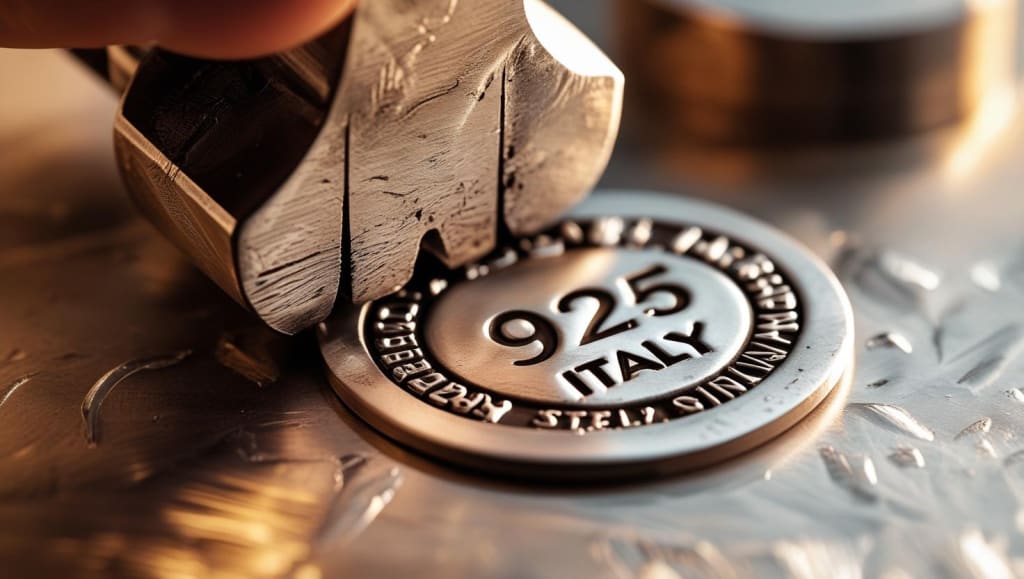
Jewelry has been a part of human culture for thousands of years, serving purposes that extend far beyond decoration. Among the many materials used in adornment, 925 sterling silver jewelry holds a distinct and enduring place. Known for its balance of beauty, durability, and accessibility, sterling silver continues to be valued across cultures and generations.
What Does “925 Sterling Silver” Mean?
The term 925 sterling silver refers to the metal’s composition. Pure silver is naturally soft, making it impractical for everyday jewelry. To enhance strength, silver is alloyed with other metals—most commonly copper. Sterling silver contains 92.5% pure silver, while the remaining 7.5% consists of strengthening metals. This ratio is what gives sterling silver its hallmark “925” stamp, an internationally recognized indicator of quality.
This composition allows sterling silver jewelry to maintain its elegant appearance while being durable enough for rings, necklaces, bracelets, and earrings that are worn regularly.
A Brief Historical Perspective
Silver has been used in jewelry since ancient civilizations, including Mesopotamia, Egypt, and Greece. Over time, sterling silver became standardized, particularly in Europe, where metal purity laws emerged to protect craftsmanship and trade integrity. The 925 standard helped ensure consistency and trust, making sterling silver widely accepted across borders.
As jewelry evolved from symbolic artifacts to personal fashion expressions, sterling silver remained relevant due to its adaptability. It could be molded into intricate designs while retaining its structural integrity, making it a favorite among artisans.
The Craftsmanship Behind Sterling Silver Jewelry
Creating 925 sterling silver jewelry is both an art and a technical process. Silversmiths often begin with raw silver alloy, which is melted and shaped through casting, forging, or hand-fabrication techniques. Polishing and finishing steps are crucial, as they bring out the metal’s natural luster.
Modern production methods may include advanced tools and technology, but traditional handcrafting techniques are still widely used, especially for detailed or custom designs. This blend of old and new methods contributes to the wide variety of styles seen in sterling silver jewelry today.
Why Sterling Silver Remains Popular
One reason sterling silver remains widely appreciated is its versatility. It complements both casual and formal attire, making it suitable for everyday wear as well as special occasions. Its neutral tone pairs easily with gemstones, enamel, or mixed metals, allowing for diverse design possibilities.
Another factor is accessibility. Compared to gold or platinum, sterling silver offers an entry point into fine jewelry without sacrificing quality or aesthetic appeal. This balance has made it especially relevant in the context of wholesale jewelry, where consistency, affordability, and durability are key considerations.
Care and Longevity
While durable, 925 sterling silver jewelry does require basic care. Over time, exposure to air and moisture can cause tarnishing—a natural chemical reaction rather than a flaw. Regular cleaning with a soft cloth and proper storage can help preserve its shine.
Many modern sterling silver pieces are treated with protective coatings or rhodium plating to reduce tarnish, further extending their lifespan. With proper maintenance, sterling silver jewelry can last for decades and even be passed down as heirlooms.
Sterling Silver in Today’s Jewelry Landscape
In contemporary fashion, sterling silver continues to adapt to changing tastes. Minimalist designs, cultural motifs, and statement pieces all find expression through this metal. Its widespread use in global markets has also made it a cornerstone material within wholesale jewelry supply chains, supporting both independent designers and large-scale manufacturers.
Importantly, sterling silver jewelry today is not solely about trends—it reflects personal style, cultural identity, and craftsmanship. Whether worn for aesthetic, symbolic, or practical reasons, it maintains a meaningful presence in modern adornment.
Final Thoughts
925 sterling silver jewelry represents a blend of history, science, and artistry. Its standardized composition ensures reliability, while its adaptability allows for endless creative expression. As jewelry continues to evolve, sterling silver remains a trusted material—valued not for promotion or prestige, but for its proven role in human expression across time.
About the Creator
Keep reading
More stories from charliesamuel and writers in 01 and other communities.
Why Your 2025 Presentations Fail: The “Quiet Luxury” Hack Powered by PopAi & Morandi Aesthetics
Description Are you still pulling all-nighters fixing alignment and color palettes? The era of "ugly productivity" is over. As we approach the end of 2025, we analyzed why most corporate decks get ignored and uncovered a workflow shift top creatives are already using. This article explains how PopAi’s Morandi Color Scheme Minimalist Magazine slides transform complex data into refined visual narratives—and why this approach is becoming essential for modern presentations.
By charliesamuel4 days ago in 01
Building an OTC Crypto Trading Platform for Trades That Can’t Go Public
Not every crypto trade belongs on a public exchange. While exchanges work well for small and medium trades, they often fall short when transactions become large, sensitive, or time-critical. Large orders placed on open order books can move prices, attract attention, and create unnecessary risk. This is why OTC, or over-the-counter, crypto trading platforms exist. Building an OTC crypto trading platform requires a different mindset, design approach, and technical structure compared to regular exchanges.
By smithtaylor6 days ago in 01




Comments
There are no comments for this story
Be the first to respond and start the conversation.