
The Art of Metal: A Guide to Tube Bending
Dependable Tube Bending

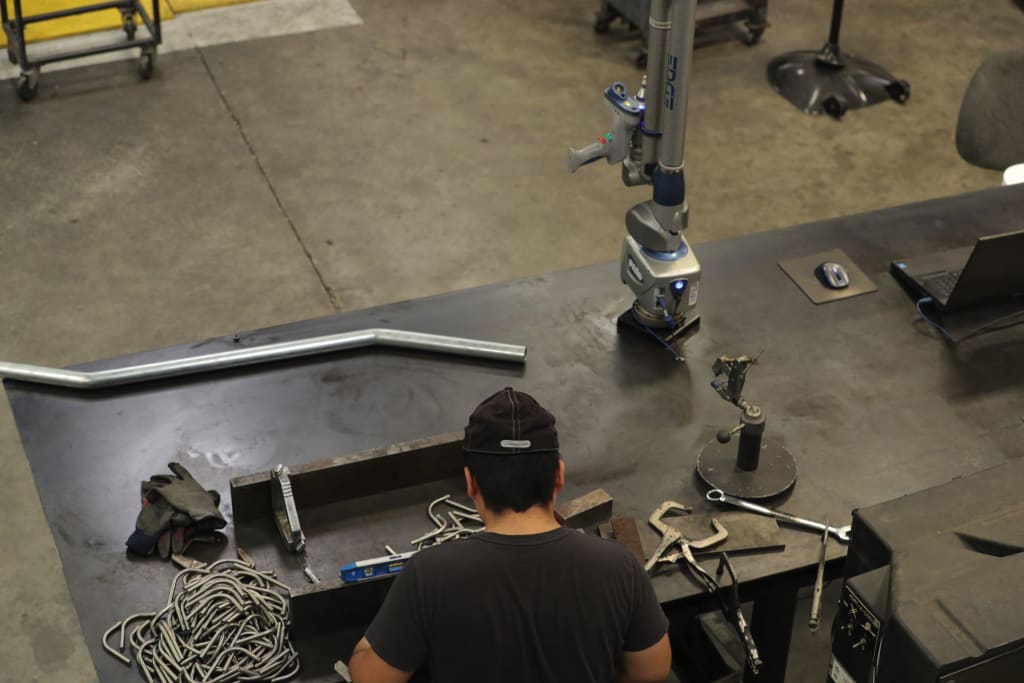
Metal tubes are incredibly versatile components used in countless applications, from furniture and bicycles to automotive parts and intricate medical equipment. But how do these straight lengths of metal become the curved shapes we see in so many finished products? The answer lies in the art of metal tube bending.
This guide from Dependable Tube Bending dives deep into the world of tube bending, exploring the different processes, considerations, and benefits of this essential metalworking technique.
Bending the Rules: Understanding the Process
Tube bending involves precisely shaping a straight metal tube into a desired curved form. This is achieved by applying controlled mechanical force against the tube, forcing it to conform to a specific shape. While seemingly straightforward, the process requires careful planning, specialized equipment, and skilled operators to ensure successful bends without compromising the tube’s integrity.
There are several key methods used in metal tube bending, each with its own advantages and limitations:
• Rotary Draw Bending: This popular method utilizes a rotating clamp die that pushes the tube around a stationary mandrel. The mandrel supports the inside of the tube, preventing wrinkles and maintaining its shape during bending. Rotary draw bending is ideal for tight bends and thin-walled tubes.
• Ram Bending: In this technique, a hydraulic ram pushes the tube against a fixed bend die. Ram bending is suitable for thicker tubes and larger bend radii but can cause some flattening on the inside of the bend.
• Roll Bending: This continuous bending process involves feeding the tube through a series of rollers that progressively bend it into a curved shape. Roll bending is efficient for long, gentle bends and is often used for handrails or piping systems.
• Cold Bending: This simple method involves using a manual or hydraulic bender to form bends in softer metals like aluminum or copper. While cost-effective, cold bending can only create limited bend angles and is not suitable for thicker or harder materials.
Choosing the Right Bend for the Job
Selecting the most appropriate bending method depends on several factors:
• Material: Different metals have varying degrees of bendability. Softer metals like aluminum require less force, while harder metals like stainless steel may require specialized methods to prevent cracking.
• Tube size and wall thickness: Thicker tubes require more robust bending processes, while thin-walled tubes benefit from mandrel support to prevent collapse.
• Bend angle and radius: Tighter bends typically require rotary draw bending or mandrel bending to avoid wrinkles or deformation.
• Quantity: For high-volume production, automated bending machines offer efficiency and consistency.
Beyond the Bend: Considerations for Flawless Results
Successful tube bending relies on more than just the bending process itself. Here are some additional factors to consider:
• Material preparation: Proper cleaning and lubrication of the tube are crucial to minimize friction and prevent damage during bending.
• Springback: Metal tends to spring back slightly after bending. Bending calculations and adjustments account for this to achieve the final desired shape.
• Wall thinning and ovalization: Bending can cause the tube wall to thin on the outside of the bend and become slightly oval-shaped. Minimizing these effects depends on the bending method and material properties.
The Benefits of Bending: Why Choose Tube Bending?
Metal tube bending offers several significant advantages compared to using pre-bent tubes or welded segments:
• Versatility: Bending allows for the creation of customized shapes to meet specific design requirements.
• Strength and integrity: Bends can be stronger and more aesthetically pleasing than welded joints.
• Weight reduction: Bending eliminates the need for additional components, contributing to a lighter final product.
• Cost-effectiveness: Bending can be more efficient than purchasing pre-bent sections or fabricating complex shapes using multiple components.
Dependable Tube Bending: Your Partner in Precision Metal Shaping
At Dependable Tube Bending, we are dedicated to providing exceptional tube bending services for a wide range of industries. Our team of experienced professionals possesses the expertise and advanced equipment necessary to deliver high-quality bends in diverse materials and specifications. Whether you require tight-radius bends in thin-walled tubes or large-scale production runs, we have the capabilities to meet your needs.
Contact Dependable Tube Bending today to discuss your project and discover how we can transform your metal tube bending into the perfect shapes for your application.
Source Url:- https://rb.gy/8a787x
About the Creator
Dependable Tube Bending
Dependable Tube Bending is a proud American owned company located in Cumming, Georgia. We are committed to providing excellence for commercial manufacturing, the aerospace industry, and businesses of all sizes.
Keep reading
More stories from writers in 01 and other communities.
The Hidden API Risks Behind Seamless eCommerce Experiences
Introduction: Why eCommerce APIs Are Critical Yet Vulnerable Modern eCommerce platforms rely heavily on APIs to deliver fast, personalized, and seamless customer experiences. From managing product catalogs, shopping carts, and payment processing to handling logistics and user accounts, APIs act as the backbone of online retail. However, this interconnectivity comes with significant risks. Every API endpoint represents a potential gateway for attackers aiming to exploit vulnerabilities, access sensitive data, or manipulate business processes.
By Sam Bishop4 days ago in 01
Time to change your life.
Is it even possible for you to change your life? A lot of people, more than there should be, are unhappy with their lives. But what are they doing about it? Usually nothing. People talk about how shitty their lives are and want change, but are they not taking the actions to change?
By Jen Phillipsa day ago in Humans




Comments
There are no comments for this story
Be the first to respond and start the conversation.