
The Hidden API Risks Behind Seamless eCommerce Experiences
Understanding the Threats Behind Every eCommerce API Endpoint

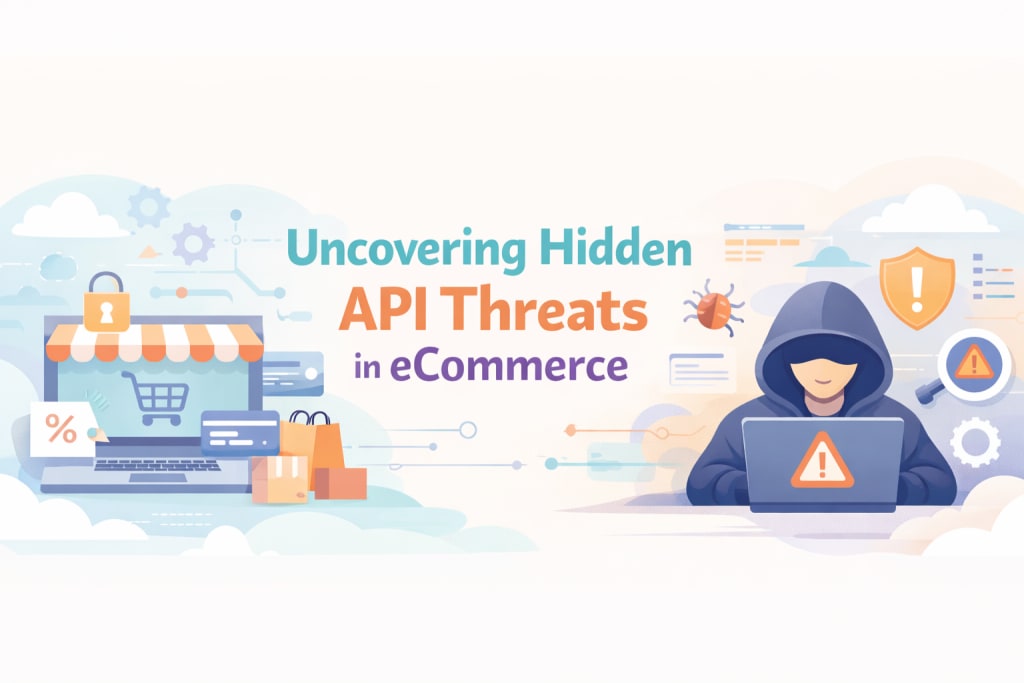
Introduction: Why eCommerce APIs Are Critical Yet Vulnerable
Modern eCommerce platforms rely heavily on APIs to deliver fast, personalized, and seamless customer experiences. From managing product catalogs, shopping carts, and payment processing to handling logistics and user accounts, APIs act as the backbone of online retail. However, this interconnectivity comes with significant risks. Every API endpoint represents a potential gateway for attackers aiming to exploit vulnerabilities, access sensitive data, or manipulate business processes.
Failing to secure these APIs can lead to compromised customer information, disrupted transactions, and regulatory penalties. Understanding the hidden risks behind eCommerce APIs is essential for any business that wants to maintain trust, ensure operational continuity, and protect revenue streams. Many organizations turn to an eCommerce API Penetration Testing Tool to continuously assess their APIs, identify vulnerabilities, and provide actionable guidance to prevent potential breaches.
The Rise of Shadow and Undocumented APIs
What Are Shadow APIs?
Shadow APIs are endpoints that exist within your eCommerce ecosystem but are undocumented, forgotten, or unmonitored. These may include legacy endpoints from older platforms, temporary APIs used during feature testing, or dynamically generated endpoints created by third-party integrations.
Why They Are Often Overlooked
These APIs often escape traditional security reviews because they are not part of the main development workflow or API documentation. Developers and security teams may be unaware of their existence, making them an attractive target for attackers.
Real-World Consequences of Shadow API Exploits
Attackers can exploit shadow APIs to access customer information, manipulate orders, or bypass security controls entirely. Such breaches not only compromise sensitive data but also erode customer trust and can result in significant financial losses.
Business Logic Attacks: The Hidden Threats
Understanding Business Logic Abuse in eCommerce
Business logic vulnerabilities occur when APIs allow users to manipulate workflows in ways not intended by the application’s design. Unlike typical code-level flaws, these weaknesses exploit the rules and sequences of business processes rather than technical bugs.
Examples of API Business Logic Exploits
- Coupon or discount abuse due to improper validation
- Manipulating inventory or stock availability
- Exploiting order workflows to bypass purchase limits
Why Traditional Security Tools Fail to Detect Them
Standard vulnerability scanners often focus on common security issues like SQL injection or broken authentication. They rarely simulate realistic user behavior or test the logic flows of eCommerce APIs, leaving these critical gaps unnoticed.
Third-Party Integrations and Expanded Attack Surfaces
Common Third-Party API Risks
Many eCommerce platforms rely on third-party services for payments, logistics, marketing, and analytics. While these integrations streamline operations, they also introduce additional vulnerabilities.
Over-Permissive Access and Token Mismanagement
APIs that grant broad permissions or fail to manage tokens securely can expose sensitive customer data if a third-party system is compromised.
Vendor Security: How Weak Links Affect You
Even if your internal APIs are secure, a third-party API with weaker protections can serve as a bridge for attackers. Maintaining visibility and control over all integrated services is critical to safeguarding your platform.
Traditional API Vulnerabilities That Persist
Broken Authentication and Authorization
Weak login mechanisms, improperly configured roles, and missing multi-factor authentication continue to be exploited by attackers to gain unauthorized access to customer accounts or administrative functions.
Excessive Data Exposure
APIs may sometimes return more information than necessary, such as full user profiles, payment details, or sensitive internal identifiers. This can make breaches more severe when exploited.
Injection and Rate Limiting Issues
Flaws like SQL injection or the lack of proper rate limiting can allow attackers to retrieve unauthorized data, disrupt services, or automate large-scale attacks on your eCommerce platform.
Automation, Bots, and AI-Powered Attacks
Credential Stuffing and Brute Force Attacks
Attackers often leverage stolen credentials to automate logins across multiple accounts, targeting weak password policies and repeated credentials.
Automated Scraping and Enumeration
Bots can systematically crawl APIs to gather product data, pricing strategies, or customer information, often bypassing standard defenses without triggering alerts.
How AI-Driven Bots Exploit eCommerce APIs
Machine learning and AI tools can automate sophisticated attack patterns that mimic real user behavior, making detection more difficult. Continuous testing against these scenarios is essential to mitigate risks.
The Business Cost of Ignoring API Security
Customer Data Breaches and Trust Erosion
Compromised APIs can expose customer emails, addresses, payment information, and more. A single breach can severely damage brand reputation and reduce customer loyalty.
Operational Disruptions and Revenue Loss
Exploited APIs can halt order processing, interfere with payments, or disrupt inventory management, directly impacting sales and revenue.
Regulatory and Compliance Penalties
Failure to secure APIs may lead to violations of data protection regulations like GDPR, PCI DSS, or local eCommerce laws, resulting in fines, audits, and legal consequences.
Proactive Measures for Securing eCommerce APIs
Continuous API Discovery and Inventory
A complete, real-time inventory of all internal, external, and third-party APIs ensures no endpoint is left unmonitored.
Context-Aware and Penetration Testing
Testing APIs in the context of actual business workflows helps uncover business logic flaws, excessive data exposure, and misconfigurations that traditional tools may miss.
Integrating Security into CI/CD Pipelines
Embedding security checks within CI/CD pipelines ensures that every release is automatically evaluated for vulnerabilities, preventing insecure APIs from reaching production.
Using API Security Platforms for Holistic Protection
Deploying a platform-level solution enables comprehensive protection, combining continuous monitoring, automated penetration testing, and actionable reporting. By leveraging an eCommerce API Penetration Testing Tool, organizations can proactively identify and remediate security gaps before they impact customers or operations.
Conclusion: Securing Seamless eCommerce Experiences
The modern eCommerce landscape demands speed, personalization, and seamless user experiences—but these benefits should not come at the cost of security. Hidden API risks, from shadow endpoints and third-party vulnerabilities to business logic flaws and automated attacks, can compromise sensitive data, disrupt operations, and erode customer trust.
By understanding these risks and implementing proactive strategies such as continuous API monitoring, context-aware testing, and integration with development pipelines, eCommerce leaders can safeguard their platforms while maintaining rapid innovation. Adopting an API-focused security platform ensures that every endpoint, transaction, and workflow is assessed for vulnerabilities, creating a resilient and secure digital retail ecosystem.
About the Creator
Sam Bishop
Hi there! My name is Sam Bishop and I'm a passionate technologist who loves to express my thoughts through writing. As an individual and tech enthusiast, I'm always eager to share my perspectives on various topics.
Keep reading
More stories from Sam Bishop and writers in 01 and other communities.
The API Security Risks Healthcare Leaders Can’t Afford to Overlook
Introduction: Why Healthcare APIs Are a Critical Risk Area Healthcare organizations increasingly rely on APIs to connect electronic health records (EHRs), patient portals, telemedicine platforms, and external service providers. This connectivity improves care coordination and operational efficiency, but it also expands the digital attack surface in ways many organizations underestimate.
By Sam Bishop2 days ago in 01
The Air-Purifying Powerhouse List: NASA-Studied Plants AI Recommends for Your Bedroom
We spend about a third of our lives in our bedrooms, making it the most personal space in our homes. Yet, the air in this sanctuary can hold unseen guests: volatile organic compounds (VOCs) like formaldehyde from furniture or benzene from cleaning products. For decades, a popular solution has been to bring in greenery, championed by a famous NASA study from the 1980s. But how effective are these plants really, and which ones are truly the best allies for your sleep space?
By Emma Wallace2 days ago in 01
The Need to Strengthen and Boost the Visibility of Legitimate Crypto Recovery Services Globally
According to the 2023 Chainalysis Crypto Crime Report, illicit addresses received over $24 billion in cryptocurrency in 2022 alone, a staggering increase from previous years. From phishing scams and fake exchanges to ransomware and investment fraud, malicious actors exploit the complexity and anonymity inherent in blockchain technology.
By charliesamuela day ago in 01


Comments
There are no comments for this story
Be the first to respond and start the conversation.