
Sustainable Investing 101: How to Grow Your Wealth While Saving the Planet in 2025
Green Wealth: Budgeting Tips to Fund Your Sustainable Investments


The fluorescent lights buzzed overhead as I sat at my kitchen table, a pile of unopened bills staring me down. It was late 2023, and I’d just checked my bank account: $47.32. My stomach churned. The credit card app on my phone glowed with a balance of $4,100, racked up from late-night online shopping and “treating myself” to dinners I couldn’t afford. The air felt heavy, thick with the scent of burnt coffee from a pot I’d forgotten to turn off. I was 25, scraping by paycheck to paycheck, and the weight of it all—bills, debt, the constant dread of an unexpected expense—hit me like a tidal wave. That moment wasn’t just a wake-up call; it was a scream to change my life.
I’d always brushed off budgeting as something for people with “real money.” But that night, I couldn’t ignore the truth: my finances were spiraling, and I was the one letting it happen. In 2023, the average American carried $6,501 in credit card debt, and I was well on my way to joining that statistic. The shame stung, but it also lit a fire. I had to stop living for the next paycheck. Cutting expenses was brutal—goodbye, daily lattes and impulse buys. Breaking the habit of scrolling Amazon at 2 a.m. felt like detox. The biggest hurdle? Admitting I’d been reckless. But I was ready to fight for financial freedom, and I wanted my money to do more than just pay bills—I wanted it to align with my values, like protecting the planet.
Budgeting Tips to Reclaim Control
To get my finances on track, I leaned into practical strategies that didn’t feel like punishment. Gen Z loves tools that make life easier, and I found budgeting tips that clicked. Here are three that helped me regain control and set the stage for sustainable investing:
1. The 50/30/20 Rule
I discovered the 50/30/20 rule on a finance blog: 50% of your income for needs (rent, groceries), 30% for wants (entertainment), and 20% for savings or debt repayment. My take-home pay was $3,000 a month, so I allocated $1,500 for needs, $900 for wants, and $600 for debt and savings. This gave me a roadmap. I funneled $400 toward my credit card debt and saved $200. It wasn’t glamorous, but seeing my debt drop from $4,100 to $3,000 in six months felt like a superpower. The structure kept me focused and freed up mental space to think about investing.
2. Tracking Spending with Mint
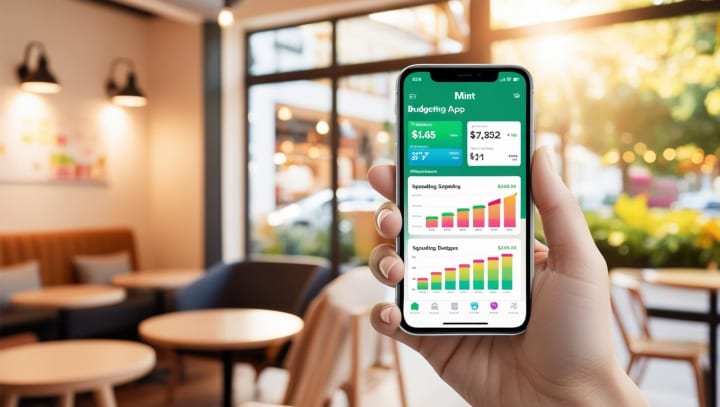
Mint, a free budgeting app, became my financial GPS. It links to your bank accounts, categorizes expenses, and shows where your money’s going. Logging every purchase was eye-opening—$200 a month on rideshares was a gut punch. Mint’s colorful charts made it easy to spot leaks, so I cut back to $100 by carpooling and walking. That extra $100 went to my debt, speeding up my progress. The app’s alerts warned me when I was close to overspending, turning budgeting into a habit I could stick with. Knowing my spending habits inside out gave me confidence to start investing wisely.
3. Automating Savings with Qapital
Saving felt impossible when every dollar was already spent. Qapital changed that. This app lets you set savings goals and automatically transfers small amounts based on rules you create—like saving $5 every time you buy coffee. I aimed for a $1,500 emergency fund. Qapital quietly moved $10-$20 a week from my checking account. In eight months, I had $1,200 saved without lifting a finger. That cushion meant I could start investing without fear of wiping out my savings. Automation made building wealth feel effortless.

From Chaos to Financial Freedom
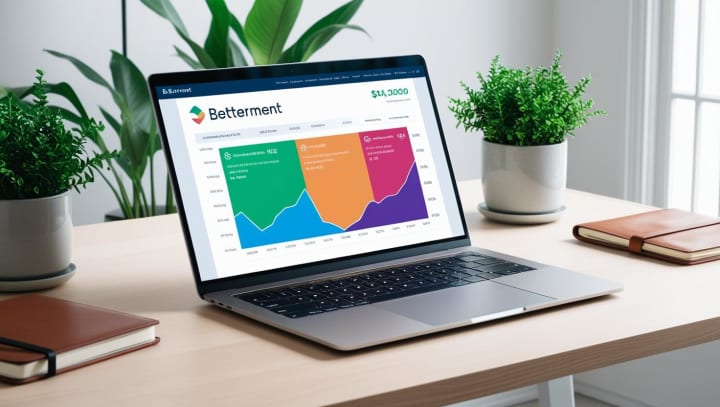
These strategies weren’t foolproof. I slipped up—like splurging $150 on concert tickets and eating ramen for a week to make up for it. But each misstep taught me resilience. The 50/30/20 rule gave me clarity, Mint kept me honest, and Qapital built my safety net. Together, they helped me pay off $2,500 of my credit card debt in a year and save $1,500. More importantly, they opened the door to sustainable investing. I started small, putting $50 a month into a robo-advisor like Betterment, which offers ESG (environmental, social, governance) funds. My money now supports clean energy and ethical companies, growing my wealth while helping the planet.
A 2024 survey found 68% of Gen Z wants investments that reflect their values, and I’m proof you don’t need a fortune to start. Budgeting gave me the stability to invest with purpose. The peace of mind is unreal—I sleep better knowing I’m not one car repair away from disaster. I’m even planning a trip to Costa Rica, funded by my savings. Financial freedom means choices: to travel, to invest, to live without fear.
You can start, too. Pick one budgeting tip—try an app, automate $10 a month, or test the 50/30/20 rule. Small steps lead to big wins. What’s one money habit you’re ready to change?
About the Creator
Iqbal
Iqbal was a visionary poet
2026 Reality How Mobile Apps Are Developed Now
In 2026, the question how are mobile apps developed no longer describes a linear build process. It reflects a structural shift inside the Google ecosystem where AI Retrieval, Zero Click discovery, and entity-level evaluation now determine whether apps gain visibility, authority, or fade into functional obscurity.
By Mary L. Rodriquez5 days ago in 01




Comments
There are no comments for this story
Be the first to respond and start the conversation.