
Lower Your Blood Pressure with Wall Squats: The 14-Minute Heart-Healthy Workout
Discover the Science and Benefits of Isometric Exercise for Cardiovascular Health


Introduction
In the pursuit of better health, exercise has always been a key recommendation from doctors and fitness experts alike. Regular physical activity has been proven to have significant benefits for heart health, particularly in reducing blood pressure. While we often associate exercises like running, cycling, and strength training with these health benefits, recent research has uncovered a surprising and effective contender: the wall squat. In this article, we will explore a new study that highlights the potential of isometric exercises, specifically wall squats, to dramatically lower blood pressure. We'll delve into the science behind this discovery, the benefits of isometric workouts, and how you can incorporate them into your fitness routine to safeguard your heart health.
The Power of Isometric Exercise
The study conducted by a team of researchers in Britain analyzed a substantial pool of 270 previous studies exploring the connection between exercise and blood pressure. While traditional exercises like cardio and strength training showed promising results in reducing blood pressure, isometric exercises emerged as the most effective option, especially for individuals with hypertension. Isometric exercise involves contracting a set of muscles without any movement, such as planks, creating tension and resistance within the body.
Understanding the Wall Squat
Among the various isometric workouts studied, the wall squat, also known as the wall sit, stood out as a simple and accessible exercise with remarkable benefits. This exercise requires no equipment and can be easily performed by anyone, making it an attractive addition to one's fitness routine. To perform a wall squat, simply place your back against a wall, slide down into a sitting position, and hold the posture for a set amount of time.
The 14-Minute Wall Squat Routine
The researchers recommended a 14-minute wall squat routine that can be seamlessly incorporated into existing workout schedules, approximately three times a week. The routine involves a two-minute wall squat followed by two minutes of rest, repeated four times in total. As the repetitions progress, the exercise becomes more challenging, thereby stimulating the muscles and cardiovascular system further. It is essential to maintain proper breathing throughout the exercise to avoid undue strain on the body.
The Science Behind the Effectiveness
The exact mechanism behind why isometric exercises, such as the wall squat, are so effective at reducing blood pressure is not entirely clear. One plausible theory is that when muscles are contracted without movement, the blood vessels surrounding them undergo compression. Upon release, blood flows back into the vessels, causing them to widen and dilate, enhancing blood flow. Over time, this increased blood flow may contribute to healthier, more flexible arteries, lowering the risk of heart attack or stroke.
Complementing Your Workout Regimen
While the study's findings highlight the potency of wall squats, it is crucial to understand that isometric exercises should complement, not replace, your existing workout routine. Whether you prefer cardiovascular workouts or weight lifting, incorporating isometric exercises into your regimen can significantly benefit your heart health. Consult with a healthcare professional, especially if you have underlying medical conditions, to ensure that isometric exercises are safe and suitable for your specific needs.
Benefits Beyond Blood Pressure Reduction
The advantages of isometric exercises extend beyond reducing blood pressure. Quick bursts of isometric movements during daily activities, like tightening your muscles during a commute or carrying groceries with added vigor, can contribute to overall health and fitness. Moreover, the time efficiency of isometric exercises makes them an attractive option for individuals with busy schedules.
Conclusion
In conclusion, the recent study on isometric exercises, particularly wall squats, has shed light on a highly effective and accessible approach to lower blood pressure and promote heart health. The 14-minute wall squat routine, with its potential to enhance blood flow and improve artery flexibility, offers a valuable addition to anyone seeking to maintain a healthy heart. By integrating isometric exercises alongside your preferred workouts, you can enjoy a well-rounded and impactful fitness routine that requires no equipment other than your own body. As always, consult your healthcare provider before starting any new exercise regimen, ensuring that you can harness the power of wall squats safely and effectively for your individual health journey.
To check on the products that can help you deal with blood sugar CLICK HERE
About the Creator
Kennedy Washika
I write poetry, fiction, and non-fiction.
Keep reading
More stories from Kennedy Washika and writers in 01 and other communities.
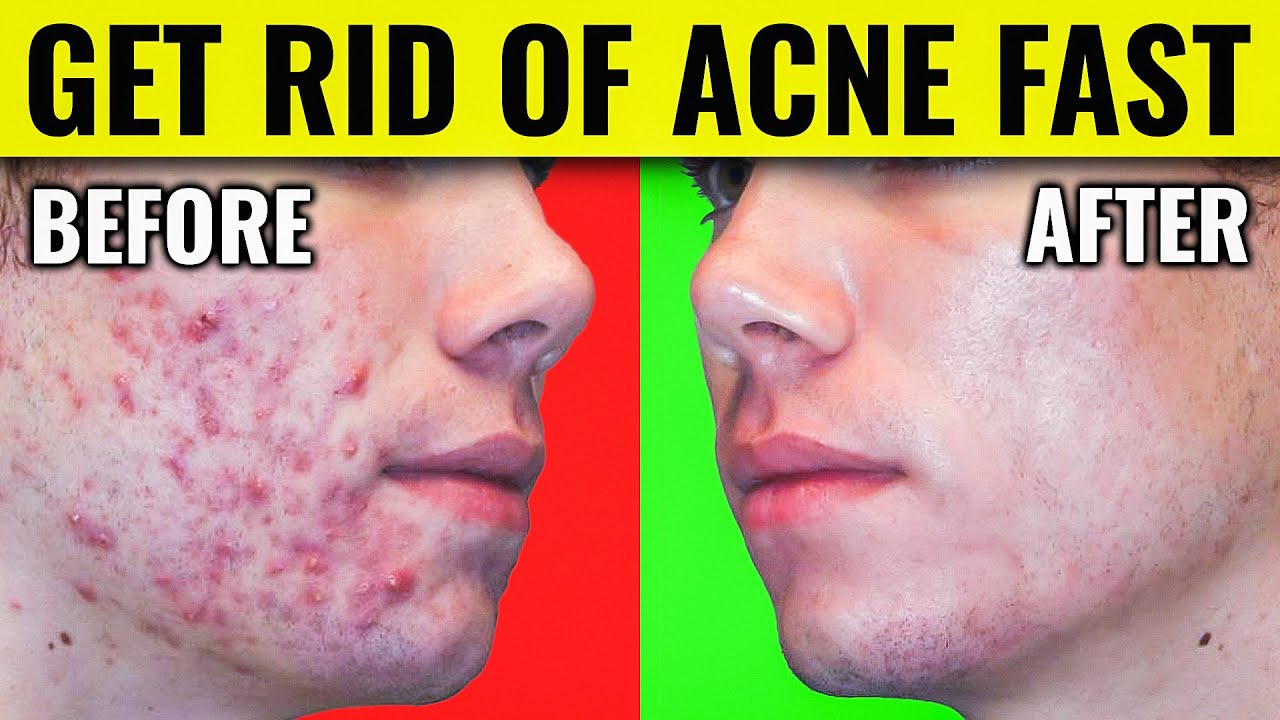
How to Deal With Acne, Skin Disease
Acne, a common skin condition, affects millions of people worldwide, transcending age, gender, and ethnicity. Characterized by the appearance of pimples, blackheads, whiteheads, and sometimes painful cysts, acne can significantly impact one's self-esteem and emotional well-being. Understanding the causes and adopting effective management strategies are crucial steps towards achieving clearer, healthier skin. This article delves into the world of acne, shedding light on its causes and offering practical tips for managing this troublesome skin condition.
By Kennedy Washika2 years ago in 01
Rem vs Em in 2026 for Accessible and Scalable CSS
Modern web development in 2026 has moved entirely away from static sizing. Foldable devices and ultra-high-density displays are now everywhere. Strict accessibility laws are also in place. Choosing between em and rem is no longer a matter of preference. It is now a functional requirement for inclusive design.
By Devin Rosario6 days ago in 01



Comments
There are no comments for this story
Be the first to respond and start the conversation.