
How you can use AI to design graphics and animations
Create Outstanding Graphics with AI
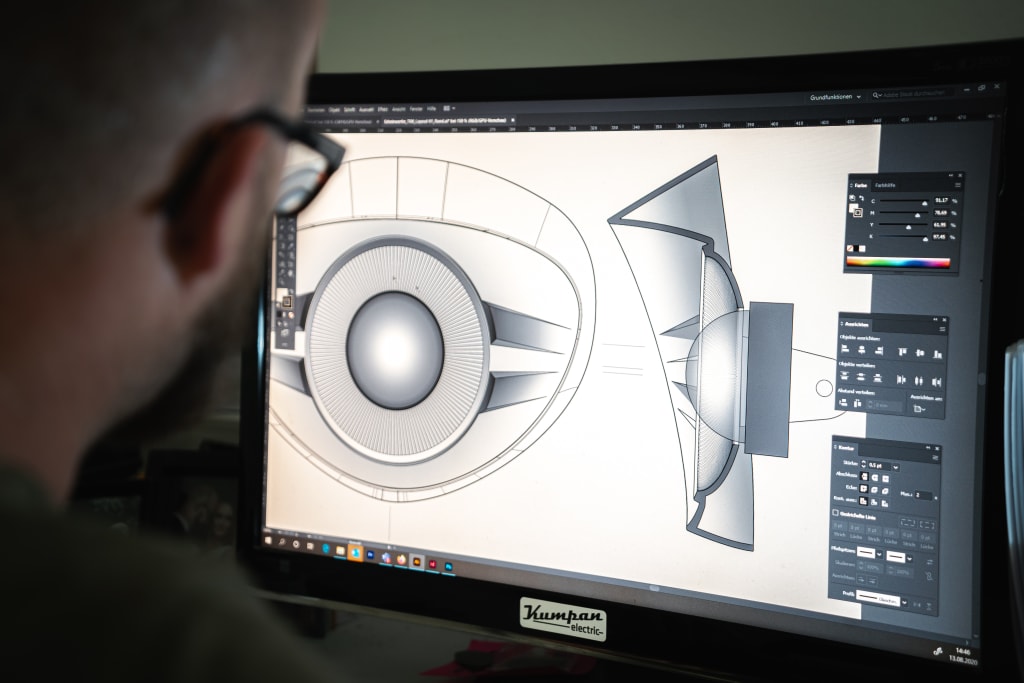
AI has transformed various industries, and graphic design is no exception. As we delve into the realm of creating outstanding graphics with AI, it's essential to understand the evolution of graphic design tools and the significant impact AI has had on the creative process.
The Rise of AI in Graphic Design
In the not-so-distant past, graphic design relied heavily on manual labor and artistic expertise. However, with the advent of AI, the landscape has undergone a profound transformation. AI-powered graphic design tools leverage machine learning algorithms to streamline the creative process, opening up new possibilities for designers.
Understanding AI-Powered Graphics
AI in graphic design operates by analyzing vast datasets, learning from patterns, and generating visuals based on the acquired knowledge. Machine learning algorithms, such as neural networks, play a crucial role in deciphering complex design elements, resulting in the creation of visually stunning graphics.
Benefits of Using AI in Graphic Design
The integration of AI in graphic design brings forth numerous advantages. Not only does it save time and reduce costs, but it also enhances creativity by providing innovative solutions to design challenges. Designers can now explore uncharted territories and experiment with novel concepts, thanks to the assistance of AI.
Popular AI Graphic Design Tools
Several tools harness the power of AI to elevate graphic design. Adobe Sensei, for instance, incorporates AI to improve the functionality of Adobe's creative suite. Canva's AI features simplify the design process for non-professionals, while the Deep Dream Generator adds an artistic touch to images through neural network algorithms.
Creating Stunning Visuals with AI
For those eager to explore AI in graphic design, here's a step-by-step guide. Begin by selecting an AI-powered tool that aligns with your design goals. Upload your initial design concepts and let the AI analyze and enhance them. Don't forget to tweak and personalize the results to ensure the final output reflects your creative vision.
Customization and Personalization
While AI streamlines the design process, it's crucial to inject a personal touch. Customization allows designers to tailor AI-generated graphics to specific needs, ensuring the end product resonates with the intended audience. Balancing automation with human creativity results in visually appealing and emotionally engaging designs.
Overcoming Challenges
Despite the numerous advantages, challenges exist in the realm of AI graphic design. Addressing concerns related to overreliance on automation and finding the right balance between AI and human creativity is paramount. Striking this balance ensures that AI enhances rather than replaces the creative input of designers.
Future Trends in AI Graphic Design
Looking ahead, the future of AI in graphic design holds exciting prospects. Anticipated advancements include more sophisticated algorithms, improved user interfaces, and enhanced collaboration between AI and human designers. The evolving landscape promises continued innovation and novel approaches to graphic creation.
Case Studies
Real-world examples illustrate the impact of AI on graphic design across various industries. From marketing campaigns enhanced by AI-generated visuals to immersive gaming experiences and captivating social media content, these case studies showcase the versatility and effectiveness of AI in the creative sphere.
Tips for Integrating AI Graphics Into Your Workflow
Incorporating AI into your design workflow requires a thoughtful approach. Start by identifying areas where AI can streamline processes without compromising creativity. Establish seamless collaboration between AI and human designers, ensuring a harmonious integration that enhances overall efficiency and output quality.
Ethical Considerations in AI Graphic Design
As AI becomes integral to the design process, ethical considerations come to the forefront. Designers must address issues related to copyright, intellectual property, and responsible AI use. Striking a balance between automation and ethical considerations ensures a positive and sustainable future for AI in graphic design.
User Feedback and Satisfaction
Gathering user feedback is crucial in refining AI-generated graphics. Understanding user expectations and satisfaction levels helps in continuous improvement. Designers should actively seek feedback, adapting and evolving their approach to meet the dynamic demands of the audience.
Educational Resources for AI Graphic Design
For those eager to delve into AI graphic design, various educational resources provide valuable insights. Online courses and tutorials offer hands-on learning experiences, while communities provide a platform for sharing knowledge and experiences. Embracing these resources empowers designers to stay at the forefront of AI innovation.
Conclusion
In conclusion, the marriage of AI and graphic design has ushered in a new era of creative possibilities. The benefits of AI, from time efficiency to enhanced creativity, make it an invaluable tool for designers across industries. As we embrace the future, the collaboration between human ingenuity and AI-driven automation promises a landscape rich with innovation and artistic expression.
FAQs
1. Can AI completely replace human designers in graphic design?
• While AI enhances efficiency, the creative input of human designers remains irreplaceable.
2. Are there ethical concerns with using AI in graphic design?
Yes, ethical considerations, such as copyright and responsible use, are essential when using AI in design
Note: This article contains affiliate links, and if you make a purchase through these links, I may earn a small commission. Your support through these links boosts my confidence to continue creating valuable content about innovative products.
About the Creator
Keep reading
More stories from writers in 01 and other communities.
Mobile App Development Costs Seattle Companies Need to Know
It usually happens in a quiet conference room or at a kitchen table turned into an office. A Seattle business leader studies a proposal and feels conflicted. The number makes sense on paper. It fits the spreadsheet. Yet something about it feels incomplete.
By Mary L. Rodriquezabout 6 hours ago in 01
Migrate from G Suite to Office 365 While Preserving Metadata & Permissions
With the growing business size, the storage and resource requirements also start to evolve. Several aspiring businesses migrate from Google Workspace to Office 365 to access advanced collaboration and communication tools. Google Workspace and Office 365, both are feature-rich SaaS platforms, designed to boost the efficiency of business operations. However, they are still quite different from each other and can experience challenges during the shift.
By Xanthe Clayabout 24 hours ago in 01



Comments
There are no comments for this story
Be the first to respond and start the conversation.