
How to Write a Book Review for Students: A Simple and Practical Guide.
Introduction

Learning to write a book review is a valuable skill for students. It not only enhances critical thinking but also boosts writing abilities and allows deeper understanding of the material they read. A well-written review enables students to summarize key points, evaluate strengths and weaknesses, and express their opinions clearly. In this comprehensive guide, we’ll walk through the process of writing a book review, offering clear tips, structured formats, and examples suitable for all students, particularly younger students, kids, and beginners.
Introduction
Writing a book review helps students evaluate the content, characters, and themes of a book while learning to organize their thoughts in a coherent and structured way. This process is an excellent way for students to practice their summarization, critical thinking, and writing skills. By following a simple, step-by-step approach, students can master how to write an engaging and insightful review.
In this article, we’ll explore the key components of a book review, provide real-world examples, and offer practical advice to help students—especially younger readers—create their own compelling reviews.
What is a Book Review?
A book review is a thoughtful and written response to a book, where the reviewer summarizes the plot, evaluates its themes, and offers a personal opinion. Rather than simply retelling the story, a review gives a deeper analysis of the book’s content, writing style, and its impact.
Why Write a Book Review?
Share Opinions: A book review gives students the opportunity to share their feelings and thoughts about the book.
Analyze the Book: It encourages students to critically assess the book's elements such as themes, characters, writing style, and pacing.
Improve Writing Skills: Writing reviews helps students organize their ideas and present them in a clear and logical way.
An effective book review combines a thoughtful summary, personal reflection, and evaluation, allowing students to engage deeply with the book.
Key Elements of a Book Review for Students
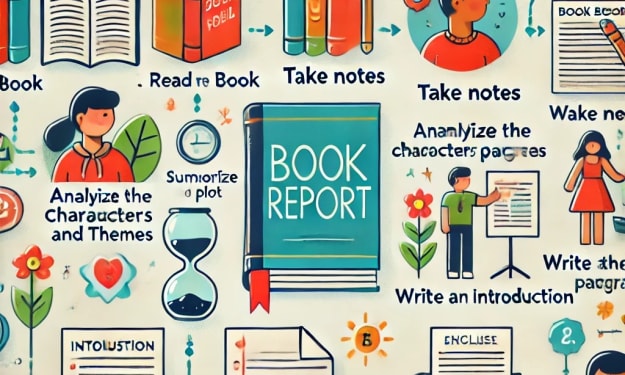
For students, crafting a good book review involves organizing their thoughts and evaluating the book from different angles. Here are the essential parts of a book review:
Introduction:
Book Title, Author, and Genre: Begin by introducing the title of the book, the author, and the genre (e.g., adventure, mystery).
Brief Overview: Give a concise summary of the book’s plot or main theme without spoiling key events.
Summary of the Plot:
Simple Summary: For younger students, summarize the main events of the story clearly and simply. Focus on the beginning, middle, and conclusion, but avoid revealing too much detail.
Evaluation and Analysis:
Strengths and Weaknesses: Evaluate the book’s key elements—characters, writing style, themes, pacing, and overall impact.
Character Development: Reflect on how well the characters were developed. Were they relatable? Did they evolve throughout the story?
Personal Reflection:
Feelings and Lessons Learned: Share how the book made you feel and any lessons or insights you gained from reading it.
Recommendation: Would you recommend this book to others? Explain who would enjoy it and why.
How to Write a Book Review for Elementary Students
For younger students, the book review should be simple and straightforward. Keep the language easy to understand, and break the review into clear, manageable sections.
Focus on Simplicity:
Use simple words and short sentences. Avoid complex vocabulary or long-winded explanations.
Break down the review into easy-to-follow parts, such as the introduction, summary, analysis, and recommendation.
Key Points to Include:
Main Characters: Describe the main characters and explain why they are important to the story.
Plot Summary: Summarize the key events without going into too much detail.
Likes and Dislikes: Share simple thoughts about what you liked or disliked about the book.
Example Book Review for Elementary Students:
Book: "The Lion, the Witch, and the Wardrobe" by C.S. Lewis
"The Lion, the Witch, and the Wardrobe" is a story about four children who find a magical land called Narnia. They meet a lion named Aslan, who helps them defeat the White Witch. I liked how the children worked together to save Narnia, and my favorite part was when Aslan came back to life. The White Witch was scary, but I think kids who like magic and adventure will love this book!
Simple Book Review Format for Students
For beginners, it’s helpful to follow a straightforward structure when writing a book review. This format helps keep the review organized and easy to follow.
Basic Book Review Structure:
Introduction: Title, author, and genre.
A one-sentence summary of what the book is about.
Summary: A brief summary of the plot.
Opinion: What did you like or dislike? Focus on the important points.
Recommendation: Who would enjoy this book and why?
Formatting Tips:
Use headings and subheadings to make the review easy to read.
Bullet points can be helpful for listing likes, dislikes, or themes.
Keep sentences short and to the point.
How to Write a Book Review for Kids (Sample)
Here’s an example of how a child might write a book review for a well-known children's book like Charlotte’s Web by E.B. White:
Sample Review:
Title: Charlotte’s Web by E.B. White
"Charlotte’s Web is about a pig named Wilbur and his best friend, Charlotte the spider. Charlotte helps save Wilbur from being slaughtered by writing words in her web. The book teaches us about friendship and helping others. I really liked how Charlotte used her web to save Wilbur, but I felt sad when she passed away. It was nice to see how Wilbur took care of Charlotte’s babies. I recommend this book to kids who like animals and adventure stories."
Tips for Writing a Book Review
To write a great book review, follow these tips:
Be Honest: Share your true feelings, but always be respectful of the author’s work.
Use Specific Examples: Support your opinions with examples from the book, like scenes or character quotes.
Keep It Short: Focus on the main points. Don’t include too many unnecessary details.
Write in the First Person: Writing personally makes the review more engaging.
Common Mistakes to Avoid
To ensure your review is high-quality, avoid these common mistakes:
Spoilers: Never spoil the ending or important plot twists.
Too Much Detail: Stick to the key points. Don’t go into unnecessary depth.
Generic Reviews: Make sure your review reflects your own thoughts and experience with the book.
Conclusion
Writing a book review is an excellent way for students to practice reading comprehension, improve their writing skills, and learn to express their opinions clearly. It helps students evaluate and reflect on the books they read, improving their ability to think critically. With regular practice, students will not only become better writers but also develop stronger analytical skills.
About the Creator
John118
Reading is my passion.
Cross Platform vs Native Mobile Apps in 2026
The tectonic plates of the Google ecosystem have shifted, fundamentally altering how mobile applications gain visibility and establish authority. This structural change demands an immediate reassessment of development strategies to mitigate significant risk exposure. The old rules for app discovery are rapidly dissolving.
By Devin Rosario4 days ago in 01
The Complete Guide to Hack Gmail & YouTube in 2026: Understanding Threats to Fortify Your Accounts
Why Your Google Account Is the Ultimate Digital Prize—And How to Protect It Your Google Account represents one of the most valuable targets in the digital landscape—a single key that unlocks Gmail, YouTube, Google Drive, Photos, and authentication for countless other services. With over 1.8 billion active Gmail users and YouTube's 2.5 billion logged-in monthly visitors, these accounts contain staggering amounts of personal, professional, and financial data. This guide examines the technical realities of account security from a professional cybersecurity perspective, providing legitimate protection strategies rather than exploitation methods.
By Alexander Hoffmann5 days ago in 01
Autonomy Is The Real Privilege
Good morning, freedom-seekers! Today we’re gonna be looking at autonomy. A strange word, I know; one many would probably look at blankly and run away from on sight. We’re gonna figure out what it actually means, consider how it’s achieved, and decipher just how deeply most of us are tangled up in dependence without realising it.
By That ‘Freedom’ Guy4 days ago in Humans



Comments
There are no comments for this story
Be the first to respond and start the conversation.