
How to Select the Best Mobile App Development Solution for Your Business
This guide will walk you through the critical considerations, available development options, and key factors to evaluate when choosing the most suitable solution for your specific business needs.

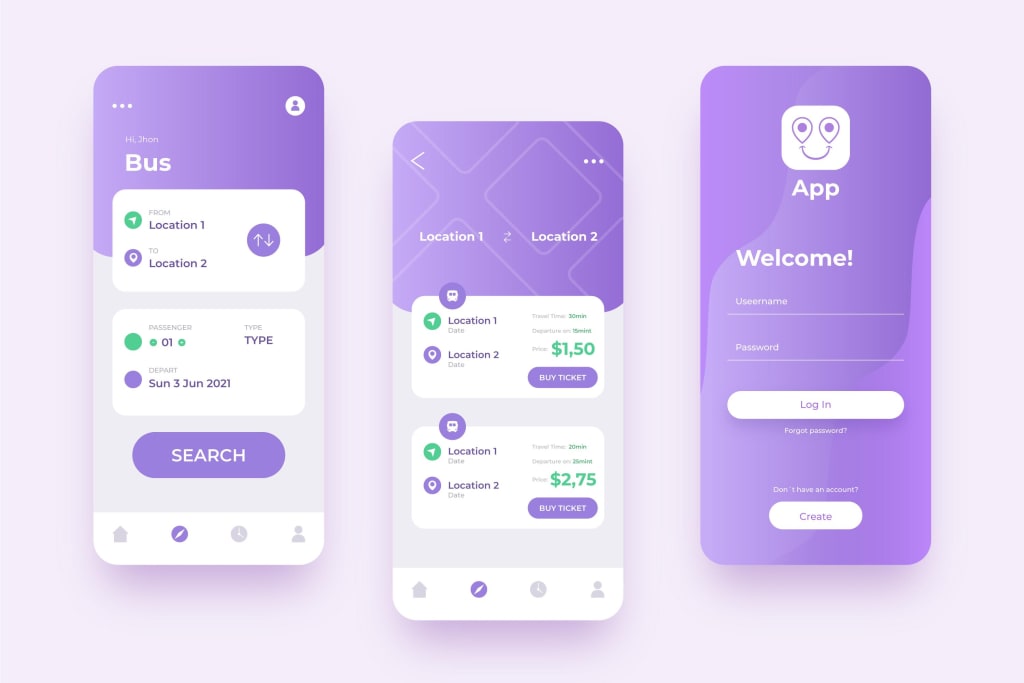
In an era where mobile usage dominates the digital landscape, having a mobile app has become essential for businesses of all sizes. Whether you're a startup, a small business, or a growing enterprise, the right mobile app can enhance customer engagement, streamline operations, and boost revenue. However, with so many development paths available, selecting the best mobile app development solution for your business can be challenging.
Why Choosing the Right Solution Matters
A mobile app is more than just a digital tool — it represents your brand, serves your customers, and often integrates with your core business processes. Selecting the wrong development approach can lead to poor performance, increased costs, or a product that doesn't meet your goals. On the other hand, the right solution offers scalability, a smooth user experience, and a strong return on investment (ROI).
Step 1: Define Your Business Objectives
Before choosing any development solution, clearly outline what you want to achieve with your mobile app. Ask yourself:
What problem will the app solve?
Who is the target audience?
What are the key features needed?
How will it support your business growth?
For example:
A retail business might focus on e-commerce and loyalty programs
A service-based business may prioritize appointment booking and customer support
An internal business tool may aim to improve workflow and communication
Once your goals are clear, it’s easier to determine which type of solution will best support them.
Step 2: Understand the Types of Mobile App Development Solutions
There are several approaches to building a mobile app. Each comes with its own set of pros and cons, and the right one depends on your budget, timeline, target audience, and app complexity.
1. Native App Development
Description: Apps built specifically for a single platform (iOS or Android) using platform-specific languages (Swift for iOS, Kotlin/Java for Android).
Pros: Best performance, access to all device features, high-quality user experience.
Cons: Higher cost and longer development time; separate codebases for each platform.
Best For: Businesses needing top-tier performance or complex features like AR/VR, gaming, or hardware integrations.
2. Cross-Platform App Development
Description: Single codebase that runs on both iOS and Android. Popular frameworks include Flutter, React Native, and Xamarin.
Pros: Cost-effective, faster development, wide reach.
Cons: May need native code for advanced features; performance slightly less than native apps.
Best For: Startups and SMEs that want to quickly launch on both platforms without doubling development effort.
3. Hybrid App Development
Description: Web apps wrapped in a native container. Common frameworks include Ionic and Cordova.
Pros: Simple and fast to develop, lower cost.
Cons: Slower performance, limited UI/UX.
Best For: Content-focused apps or MVPs with simple functionality.
4. Progressive Web Apps (PWAs)
Description: Mobile-friendly web applications that behave like native apps.
Pros: No need for app store distribution, cost-effective, works across devices.
Cons: Limited access to device features, less intuitive than native apps.
Best For: Businesses looking for mobile reach without app store submission, especially in e-commerce or publishing.
5. No-Code/Low-Code Platforms
Description: Drag-and-drop tools that allow non-developers to create apps.
Pros: Very fast and affordable, ideal for simple apps.
Cons: Limited customization, scalability, and performance.
Best For: Small businesses or solopreneurs needing basic functionality.
Step 3: Evaluate Development Costs and Budget
App development costs vary significantly based on your chosen approach, features, and developer rates. Here’s a rough breakdown:
Solution Type Estimated Cost Range
Native App $20,000 – $100,000+
Cross-Platform $10,000 – $50,000
Hybrid App $5,000 – $25,000
PWA $3,000 – $15,000
No-Code/Low-Code $0 – $5,000 (or monthly fee)
It’s important to balance quality with budget. Going with the cheapest option may compromise user experience or future scalability. Instead, focus on solutions that deliver maximum value for your investment.
Step 4: Choose Between In-House, Freelancers, or Agencies
How you develop your app matters as much as the technology you use.
1. In-House Development
Suitable if you have an internal tech team.
Offers full control and long-term management.
Higher ongoing costs (salaries, tools).
2. Freelancers
More affordable and flexible.
Good for small projects or MVPs.
Potential risks in quality and project continuity.
3. Agencies or Development Firms
Professional teams with structured processes.
End-to-end development, design, and support.
More expensive but reliable.
Evaluate based on complexity, budget, and time constraints.
Step 5: Prioritize Scalability and Maintenance
An often-overlooked factor is what happens after launch. Your mobile app will need:
Regular updates
Bug fixes
New feature rollouts
User feedback implementation
Choose a solution and a team that can grow with your business. Cloud-based platforms, modular code structures, and active community support (for frameworks like Flutter and React Native) help keep your app future-ready.
Step 6: Focus on User Experience (UX)
No matter how great your app idea is, if it’s clunky or confusing, users won’t stick around. A good mobile app should be:
Easy to navigate
Visually appealing
Fast and responsive
Accessible and intuitive
Choose tools and developers who prioritize UX design and usability testing as part of the development process.
Step 7: Ensure Security and Compliance
Data breaches and app vulnerabilities can damage your brand and violate regulations (like GDPR, HIPAA, etc.).
Make sure your chosen solution includes:
Secure data storage and transmission
User authentication
Regular security audits
Compliance with industry regulations
This is especially important for businesses in healthcare, finance, or e-commerce.
Final Thoughts
Selecting the best mobile app development solution isn’t just a technical decision — it’s a strategic business move. With the right planning and a clear understanding of your needs, you can choose a development path that aligns with your goals, fits your budget, and sets you up for long-term success.
Here’s a quick checklist to guide your decision:
✅ Define your goals and audience
✅ Choose the right development approach (native, cross-platform, etc.)
✅ Evaluate total cost and ongoing maintenance
✅ Decide on freelancers, in-house, or an agency
✅ Focus on user experience
✅ Plan for scalability and security
By following these steps, you’ll be equipped to make a smart, informed choice and build a mobile app that truly benefits your business.
About the Creator
Nithin Sethu
Hello, I'm Nithin from Synclovis. Here, I work as a Software Engineer. I would like to share my knowledge of the latest trends and features.
Visit: https://www.synclovis.com
Keep reading
More stories from Nithin Sethu and writers in 01 and other communities.
Agentic AI: Building the Next Generation of Autonomous Digital Workers
The AI revolution is entering a new phase. While large language models (LLMs) like GPT-4 and Claude 3 have dazzled us with their ability to generate human-like text, the next frontier is Agentic AI—systems that don’t just talk but act.
By Nithin Sethu10 months ago in 01
Rem vs Em in 2026 for Accessible and Scalable CSS
Modern web development in 2026 has moved entirely away from static sizing. Foldable devices and ultra-high-density displays are now everywhere. Strict accessibility laws are also in place. Choosing between em and rem is no longer a matter of preference. It is now a functional requirement for inclusive design.
By Devin Rosario7 days ago in 01



Comments
There are no comments for this story
Be the first to respond and start the conversation.