
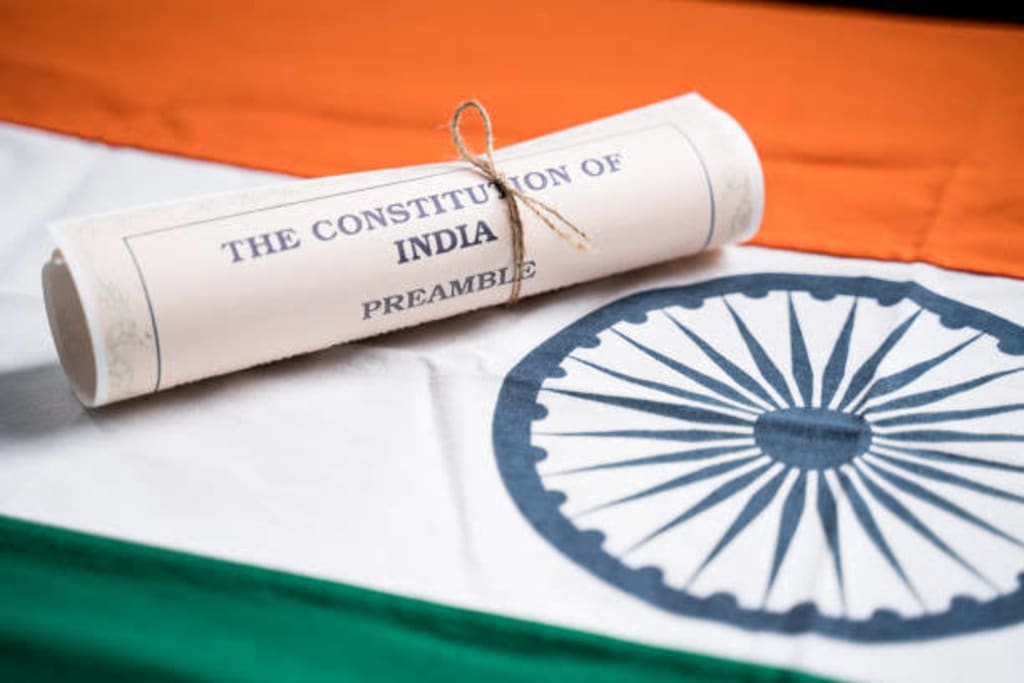
Challenges Faced by Parliament.
The Indian Parliament, like any other parliamentary system, faces several challenges. Some of the significant challenges faced by the Indian Parliament are:
1. Disruptions and Adjournments: One of the most pressing challenges faced by the Indian Parliament is the constant disruptions and adjournments of the proceedings. The disruptions and adjournments result in the wastage of time and money and hinder the smooth functioning of the parliamentary system.
2. Legislative Gridlock: The Indian Parliament has faced legislative gridlock on several occasions, where crucial bills are delayed or stalled due to opposition from the ruling party or a lack of consensus among political parties.
3. Lack of Accountability: Another challenge faced by the Indian Parliament is the lack of accountability of its members. In many instances, parliamentarians are accused of corruption, and there are inadequate mechanisms to hold them accountable.
4. Low Attendance: There have been instances where the attendance of the members of the Parliament is low, resulting in the lack of a quorum and the inability to conduct the proceedings.
5. Delay in Addressing Public Issues: There is a perception that the Indian Parliament is slow in addressing public issues and taking action on crucial matters. This perception often results in public dissatisfaction with the parliamentary system.
6. Ineffective Committees: The parliamentary committees play a significant role in the functioning of the Parliament. However, there are instances where the committees are unable to perform their duties effectively due to the lack of resources, expertise, and political will.
7. Inadequate Representation: There are concerns that the Indian Parliament does not adequately represent the diversity of the country, and certain sections of society are underrepresented.
8. Lack of Transparency: There is a lack of transparency in the functioning of the Indian Parliament. The proceedings of the Parliament are not always televised, and there are inadequate mechanisms to hold parliamentarians accountable for their actions.
These are some of the significant challenges faced by the Indian Parliament. Addressing these challenges requires a concerted effort from all stakeholders to strengthen the parliamentary system and make it more effective in addressing the needs of the people.
CHALLANGES FACED BY CHEIF MINISTER (CM)
• The challenges faced by a Chief Minister (CM) can vary depending on the political, social, and economic context of their state or region. Some common challenges that CMs face include:
• Governance and Administration: Ensuring effective governance and administration of the state, maintaining law and order, and providing basic services such as healthcare, education, and infrastructure to the citizens.
• Economic Development: Promoting economic growth and development, creating job opportunities, and addressing poverty and inequality in the state.
1. Social Issues: Addressing social issues such as caste discrimination, gender inequality, communal tensions, and regional conflicts.
2. Environmental Challenges: Addressing environmental challenges such as air and water pollution, deforestation, and climate change.
3. Political Challenges: Managing political alliances, maintaining a coalition government, and dealing with opposition parties.
4. Fiscal Management: Managing the state's finances, ensuring fiscal discipline, and finding resources to fund development programs.
5. Corruption and Red Tape: Dealing with corruption and bureaucratic red tape, ensuring transparency and accountability in governance.
6. Managing Natural Disasters: Managing natural disasters such as floods, cyclones, earthquakes, and droughts, and ensuring timely relief and rehabilitation for affected citizens.
These are some of the common challenges faced by CMs. However, the specific challenges can vary from state to state and can change over time
CHALLANGES FACED BY MLAs
MLAs or Members of Legislative Assembly in India also face several challenges. Some of the significant challenges faced by MLAs in India are:
1. Constituency Management: One of the primary responsibilities of an MLA is to manage their constituency. MLAs are responsible for addressing the concerns of their constituents, including issues related to infrastructure, education, health, and other public services. The challenge for MLAs is to balance their time and resources effectively to meet the needs of their constituents.
2. Party Pressure: MLAs in India are often under pressure from their political parties to vote a certain way or take a particular stand on specific issues. This pressure can make it challenging for MLAs to represent the interests of their constituents effectively.
3. Corruption: Corruption is a significant challenge faced by MLAs in India. There have been several instances of MLAs being accused of corruption, and there are inadequate mechanisms to hold them accountable.
4. Lack of Resources: MLAs in India often face a lack of resources to perform their duties effectively. This includes resources related to office infrastructure, research, and staff support.
5. Inadequate Representation: Similar to the Indian Parliament, there are concerns that the MLAs do not adequately represent the diversity of their constituencies. Certain sections of society are often underrepresented.
6. Personal Security: MLAs in India also face personal security challenges. Some MLAs have been subject to physical attacks or threats due to their political affiliations or their stand on certain issues.
7. Lack of Transparency: Similar to the Indian Parliament, there is a lack of transparency in the functioning of the MLAs in India. The proceedings of the Legislative Assembly are not always televised, and there are inadequate mechanisms to hold the MLAs accountable for their actions.
These are some of the significant challenges faced by MLAs in India. Addressing these challenges requires a concerted effort from all stakeholders to strengthen the democratic institutions
CHALLANGES FACED BY INDIAN CONSTITUTION
The Indian Constitution, which came into effect on January 26, 1950, has faced several challenges over the years. Some of the key challenges are:
1. Communalism: Communalism, or the promotion of narrow-minded religious, linguistic, and regional identities, has posed a significant challenge to the Indian Constitution. Communalism has resulted in sectarian violence, including riots and attacks on religious minorities, and undermined the idea of a secular state enshrined in the Constitution.
2. Casteism: Despite the constitutional prohibition of caste-based discrimination, casteism continues to be a significant challenge in India. Caste-based violence, discrimination, and exclusion persist in many parts of the country, especially in rural areas.
3. Corruption: Corruption in public life, politics, and administration is a significant challenge to the Indian Constitution. Corruption undermines the principles of democracy, accountability, and transparency and erodes public trust in the institutions of the state.
4. Poverty and Inequality: Despite constitutional guarantees of equality and social justice, poverty and inequality continue to be major challenges in India. The country has a large population living below the poverty line, and economic disparities between different regions and social groups remain high.
5. Separatist Movements: India has witnessed several separatist movements over the years, primarily in the Northeast, Jammu and Kashmir, and central India. These movements challenge the territorial integrity and sovereignty of India and pose a significant threat to national security.
6. Judicial Backlog: The Indian judiciary is facing a significant backlog of cases, with many cases pending for years or even decades. This backlog undermines the fundamental right to speedy justice enshrined in the Constitution.
7. Environmental Challenges: Environmental degradation and climate change are significant challenges facing India. Pollution, deforestation, and loss of biodiversity are threatening the health and livelihoods of millions of people.
Overall, the Indian Constitution has faced several challenges since its adoption, and addressing these challenges remains a critical task for the country's leaders and citizens.
About the Creator
Keep reading
More stories from Jai adithya and writers in 01 and other communities.
THE POWER OF SUBCONSCIOUS MIND
The subconscious mind is a powerful aspect of the human psyche that controls many of our thoughts, feelings, and behaviors. While our conscious mind is responsible for logical thinking, decision making, and other cognitive processes, our subconscious mind is responsible for our automatic thoughts, emotions, and behaviors.
By Jai adithya 3 years ago in Humans
Outlook Account Hack: Complete Guide to Crack a Password
The Reality of Email Account Vulnerabilities Microsoft Outlook accounts represent more than just email inboxes—they serve as gateways to personal data, professional communications, and often as single sign-on keys to numerous other services. With over 400 million active users worldwide, Outlook has become a prime target for cybercriminals employing increasingly sophisticated methods. This comprehensive guide examines the legitimate security landscape, revealing how attackers exploit vulnerabilities while providing actionable strategies to fortify your digital identity. Understanding these threats isn't about enabling malicious behavior—it's about empowering users and administrators with the knowledge needed to build impenetrable defenses in an era where email security is paramount to both personal privacy and organizational integrity.
By Alexander Hoffmann4 days ago in 01
Cross Platform vs Native Mobile Apps in 2026
The tectonic plates of the Google ecosystem have shifted, fundamentally altering how mobile applications gain visibility and establish authority. This structural change demands an immediate reassessment of development strategies to mitigate significant risk exposure. The old rules for app discovery are rapidly dissolving.
By Devin Rosarioabout 8 hours ago in 01
Autonomy Is The Real Privilege
Good morning, freedom-seekers! Today we’re gonna be looking at autonomy. A strange word, I know; one many would probably look at blankly and run away from on sight. We’re gonna figure out what it actually means, consider how it’s achieved, and decipher just how deeply most of us are tangled up in dependence without realising it.
By That ‘Freedom’ Guyabout 24 hours ago in Humans



Comments
There are no comments for this story
Be the first to respond and start the conversation.