
Beyond Food: How Flexible Packaging Is Transforming Non-Food Products
When packaging becomes part of usability, design, and sustainability—not just protection.

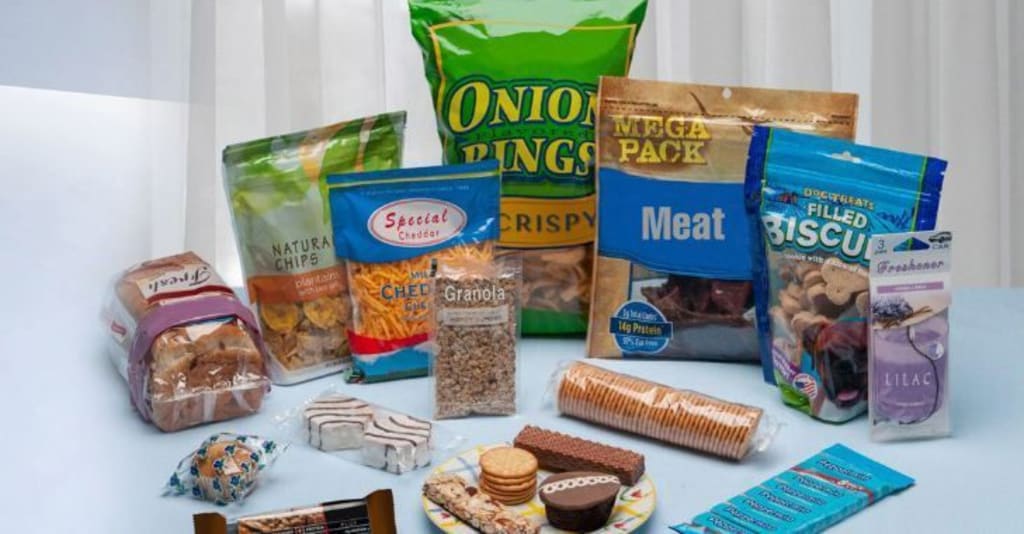
Walk through any hardware store, beauty aisle, or pet-care section and you’ll notice something that didn’t exist a decade ago: products packaged in sleek, lightweight pouches where rigid containers once dominated.
This shift reflects more than a design trend. Non-food industries are turning toward custom flexible packaging as a strategic choice for efficiency, sustainability, and consumer convenience.
Instead of being treated as a disposable necessity, packaging is evolving into something more thoughtful—something that affects cost savings, shelf appeal, storage, and even user experience.
Why Non-Food Products Are Switching to Flexible Packaging
Flexible packaging has long been associated with snacks and dry foods. But today, businesses far beyond the food sector are adopting non-food packaging bags because they:
- Use less material and reduce waste
- Ship more efficiently due to reduced weight
- Offer space-saving benefits at home and in retail
- Allow for resealable openings, spouts, or tear notches
Industries adopting flexible packaging include:
- Cosmetics and skincare (serums, lotions, refills)
- Pet care (treats, supplements, grooming products)
- Automotive and industrial goods (bolts, washers, lubricants)
- Home and lifestyle products (detergents, cleaning refills)
By reducing rigid plastic containers, these brands also reduce storage volume and shipping emissions—turning packaging decisions into environmental decisions.
When Packaging Shapes Consumer Experience
Packaging is often the first interaction a consumer has with a product.
Imagine buying detergent in a bulky plastic bottle. Compare that to a stand-up pouch that fits easily into a cabinet, pours with control, and uses far less material.
The pouch instantly becomes part of the experience.
This is one reason brands work with flexible packaging manufacturers to explore options that align with their identity—matte finishes for premium skincare, gusseted pouches for automotive parts, or transparent windows for hobby and craft supplies.
What used to be just a container has evolved into a design element.
Customization Gives Brands More Control
Non-food products come in different shapes, sizes, and weights. Rigid packaging forces brands to adapt products to containers. Flexible packaging does the opposite—it adapts to the product.
Businesses turn to custom flexible packaging bags when they want:
- Specific pouch dimensions
- Finishes that match branding
- Functional add-ons like resealable closures
The result is packaging that feels intentional and tailored, not generic.
For consumer goods, customization can also reduce over-packaging. Instead of shipping half-empty containers, products can be portioned exactly as needed.
Less space. Less waste. More efficiency.
Safety and Durability Aren’t Limited to Food Packaging
Non-food items have their own protection requirements.
For example:
- Cosmetics may require moisture-resistant or UV-blocking barrier layers.
- Hardware items need puncture-resistant films.
- Detergents may require chemical-resistant multilayers.
This is where custom food packaging bags show their influence: the same technology used to protect perishable goods can be applied to protect non-food items.
Barrier protection becomes versatility.
The Sustainability Factor
Companies don’t just ask, “What protects the product?” They now ask, “What protects the product and the planet?”
Flexible packaging supports sustainability goals by:
- Reducing material usage
- Lowering freight emissions due to ship-light design
- Minimizing waste in production and disposal
Unlike rigid packaging, flexible films require fewer raw materials and occupy less space in transport and storage.
Some brands even adopt mono-material pouches designed for easier recycling.
Smart packaging isn’t always more—it’s less.
Final Thoughts
The rise of flexible packaging signals a cultural shift: packaging is no longer viewed as an afterthought. It influences how consumers store products, travel with them, and dispose of them.
Whether companies collaborate with flexible packaging manufacturers, rely on custom flexible packaging bags, or adapt solutions originally designed for custom food packaging bags, the goal remains consistent:
Design packaging that supports usability, minimizes waste, and enhances the product experience.
Flexible packaging reminds us that even everyday products can benefit from thoughtful design. It shows that smart packaging doesn’t just protect what’s inside—it supports how we live.
About the Creator
Keep reading
More stories from charliesamuel and writers in 01 and other communities.
Why Flexible Packaging Is Becoming a Strategic Business Advantage
Walk down any store aisle and you’ll see it: packaging is speaking before the product ever does. Between bold colors, sleek finishes, and minimal designs, packaging has evolved from a protective layer into a defining part of a brand’s identity.
By charliesamuel2 months ago in 01
How Professional Congress Organisers Shape Association Meetings Strategy
In today’s highly competitive and rapidly evolving event landscape, associations are under increasing pressure to deliver meetings that are not only engaging but also strategically aligned with long-term organisational goals. This is where Professional Congress Organisers (PCOs) play a critical role. Far beyond handling logistics, PCOs have become strategic partners who influence how associations design, plan, and execute their meetings to achieve measurable outcomes.
By Meeting Media5 days ago in 01
How to Choose the Best Mobile App Development Company in Canada 2026
Choosing the right app development partner in 2026 isn’t just a procurement decision—it’s a strategic move that can define whether your digital product scales or stalls. The Canadian tech ecosystem has matured rapidly, with agencies offering everything from rapid MVP builds to enterprise-grade platforms powered by AI and cloud-native architectures.
By alan michaelabout 20 hours ago in 01


Comments
There are no comments for this story
Be the first to respond and start the conversation.