
Why Flexible Packaging Is Becoming a Strategic Business Advantage
In a world where first impressions matter, packaging has become part of the product—not just something that covers it.


Walk down any store aisle and you’ll see it: packaging is speaking before the product ever does. Between bold colors, sleek finishes, and minimal designs, packaging has evolved from a protective layer into a defining part of a brand’s identity.
More companies are leaving behind generic cardboard boxes or rigid containers and instead collaborating with a custom flexible packaging manufacturer to develop packaging that adapts to the brand, the product, and the customer.
Rather than focusing only on the container, brands are now designing experiences.
The Shift Toward Flexibility
Flexible packaging—pouches, roll stock films, resealable bags—offers an advantage that rigid packaging can’t: adaptability. It shapes itself to the needs of the product and the needs of the customer.
Businesses choose flexible packaging because it:
- Weighs less and reduces shipping costs
- Uses less raw material than rigid packaging
- Offers full-surface branding and design freedom
- Stores effortlessly in warehouses and retail shelves
These benefits have made flexible packaging popular across industries—but particularly among food brands.
This is where collaboration with a food-packaging specialist becomes important.
The design isn’t random. Every layer of the package—from barrier protection to zipper closures—serves a purpose.
Food Packaging: Where Details Matter
Food is sensitive. A minor flaw in packaging—too much moisture, too little barrier protection, weak sealing—can affect shelf life and freshness.
That’s why flexible packaging has become a preferred choice for food companies. When businesses choose flexible packaging bags, they aren’t just choosing material. They’re choosing:
- Freshness retention
- Aroma preservation
- Better consumer usability
A resealable zipper means the customer can enjoy the product multiple times without losing freshness. Window cut-outs build trust by letting customers see what they’re buying. These details create a better experience—long before taste or quality are discovered.
How Packaging Communicates Value
Consumers pick up a product based on how it looks. Before tasting, touching, or trying the product, they interact with the packaging.
Flexible packaging supports storytelling because it turns the package into a visual communication tool. A company might want to appear:
- Minimalist and premium
- Fun and energetic
- Eco-conscious and transparent
- The bag becomes a canvas.
A flexible packaging producer provides brands with options like:
- Matte, gloss, or textured finishes
- Metallic or soft-touch printing
- QR code integration for product traceability
The consumer doesn’t read a paragraph — they react to the design instinctively.
Sustainability Is Shaping Packaging Decisions
Customers are more environmentally aware than ever. They want to make responsible choices, and packaging plays a major role in that decision.
Flexible packaging inherently supports sustainability because it:
Uses fewer raw materials
Requires less fuel to transport
Reduces overall waste
In comparison, rigid packaging like glass jars or plastic tubs consumes more resources from manufacturing to transport.
When businesses collaborate with a manufacturer specializing in custom flexible packaging, they can explore sustainable materials and lighter film structures that reduce the environmental footprint of every unit produced.
Efficiency Behind the Scenes
A well-designed package doesn’t just improve product shelf presence—it improves logistics.
With flexible packaging, companies often experience:
- Lower freight charges due to reduced weight
- Optimized warehouse and storage space
- Higher packing efficiency during production
For businesses shipping products nationwide or globally, small savings add up quickly.
Why Businesses Are Moving Toward Custom Solutions
There was a time when packaging was purchased in bulk and companies settled for whatever was available. Today, brands want control.
They want to:
- Decide the material’s thickness
- Choose finishes that match the visual identity
- Integrate usability features like zip locks or tear notches
- A flexible packaging partner becomes a strategic partner—not just a supplier.
It’s no longer about finding a bag that fits the product. It’s about creating a bag that fits the brand.
Final Thoughts
Packaging used to be the last decision. Now, it’s one of the most important.
Whether a business works with a flexible packaging producer, consults a food-packaging specialist, or develops custom food packaging bags tailored to its audience, the goal is the same:
Make packaging part of the product experience.
Consumers don’t just open packaging—they interact with it. They hold it. They judge it. And in many cases, they remember the brand because of it.
Flexible packaging proves that the journey doesn’t start when the customer uses the product.
It starts the moment they pick it up.
About the Creator
Keep reading
More stories from charliesamuel and writers in 01 and other communities.
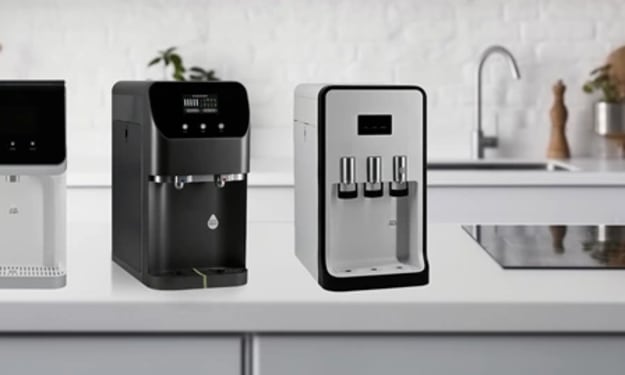
The Modern Shift to Freestanding Water Dispensers
Clean drinking water is no longer a luxury — it is a daily need. Whether in offices, schools, hospitality venues, factories, or homes, reliable access to drinking water influences productivity, comfort, and well-being. As lifestyles evolve and workplaces embrace better employee care, traditional bottled water systems are gradually being replaced by modern hydration solutions such as freestanding water dispensers, also known as floor standing water coolers.
By charliesamuel2 months ago in 01
How Do You Copy a Link From a TikTok Video?
Have you ever come across a hilarious video on Tiktok you would like to keep or share with friends? Or a how-to-themed video you would like to share or keep to serve as a reference in the near future, but you couldn't figure out how to download them. Worry no more, this is the perfect article for you. Let's start without wasting time.
By Intelligent Creator6 days ago in 01
How To Record a Zoom Meeting on My iPad With Audio?
How to record a Zoom meeting on my iPad with audio? When it comes to creating a seamless video or audio calls, Zoom needs no introduction. In March 2020, the Video Chat Platform grew from 10 million video calls per day in December 2019 to over 200 million video calls per day.
By Intelligent Creator6 days ago in 01
A Failed Artist, A Disillusioned Poet, An Underpaid Game Show Host
I took my son and niece to Gori, a small town in Georgia where Joseph Stalin was born. They talked me into visiting the Stalin's Museum, the largest in the post-Soviet space. I had resisted going there because I just can't stand the monster and know enough about him, or so I thought.
By Lana V Lynx7 days ago in FYI


Comments
There are no comments for this story
Be the first to respond and start the conversation.