
American Idol Season 1: The Start of a Pop Culture Phenomenon
How One Season Launched Superstars and Changed Reality TV Forever

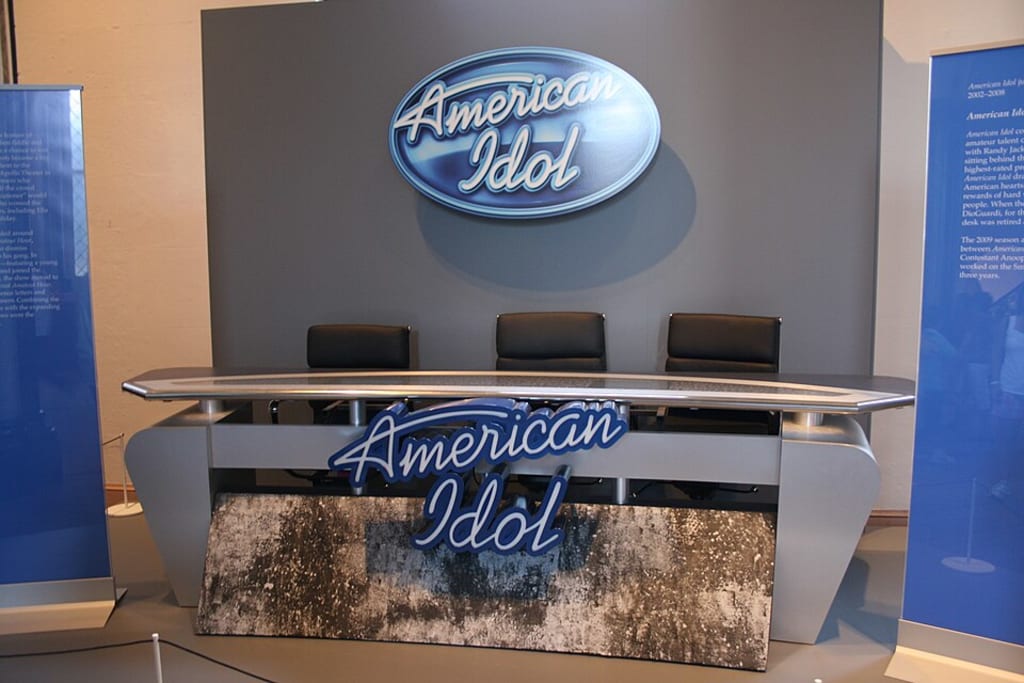
When “American Idol” premiered on June 11, 2002, few could predict it would spark a revolution in reality TV and the music industry. Season 1 of American Idol wasn’t just another singing competition—it was the blueprint that countless talent shows would follow for decades to come. With an unpredictable mix of raw talent, emotional stories, and unforgettable performances, the first season of American Idol gave birth to one of the most iconic entertainment franchises in American television history.
The Concept That Hooked America
The format was simple but effective: everyday Americans competed for a life-changing record deal, judged by a panel that became stars in their own right—Paula Abdul, Randy Jackson, and Simon Cowell. The brutal honesty of Cowell, the kindness of Abdul, and Jackson’s “yo dawg” charm created a perfect chemistry that kept viewers glued to their screens.
What set American Idol apart was its audience participation. For the first time, viewers had the power to vote and decide who would advance. This level of interactivity created an emotional connection between contestants and fans, making the journey deeply personal for millions.
A Star Is Born: Kelly Clarkson
Season 1 gave us our very first American Idol winner—Kelly Clarkson, a powerhouse vocalist from Texas who wowed the judges and America with her raw talent and authenticity. Her final performance of “A Moment Like This” became an instant classic, and her win catapulted her into superstardom.
Clarkson’s success proved the show’s credibility. She went on to win multiple Grammy Awards and establish herself as a pop-rock icon. Her transition from reality star to chart-topping artist inspired countless hopefuls to audition in the following seasons.
The Finalists Who Captivated Audiences
While Kelly Clarkson stole the spotlight, Season 1 introduced other talented artists who carved their own paths. Justin Guarini, the runner-up, had a strong fanbase and even starred alongside Clarkson in the movie “From Justin to Kelly.” Though the film flopped, it showed how committed the show was to building stars beyond just the winner.
Other memorable contestants included Tamyra Gray, whose soulful voice and stage presence left a lasting impression, and Nikki McKibbin, the rocker with a unique style and fierce determination.
Behind the Scenes: A Modest Start
Unlike the flashy production values of later seasons, Season 1 was relatively low-budget. The set was simple, and the production was far less polished. But that rawness gave it charm. It felt authentic—real people chasing real dreams.
Interestingly, the show wasn’t expected to be a massive hit. In fact, FOX had modest expectations for its success. But as word of mouth spread and viewership grew, “American Idol” quickly became a cultural juggernaut, dominating ratings and sparking watercooler conversations across the country.
A Cultural Touchstone
Season 1 of American Idol didn’t just entertain—it reshaped pop culture. It changed how music was discovered, putting the power in the hands of the public rather than behind closed record label doors. It also paved the way for other reality-based competitions like “The Voice,” “America’s Got Talent,” and “X Factor.”
Moreover, it democratized fame. It gave everyday people a platform to be heard, proving that talent could come from anywhere—not just big cities or industry insiders.
The Legacy Lives On
More than two decades later, Season 1 remains a nostalgic touchpoint for fans. It marked the beginning of a new era in entertainment where viewers had a voice and dreams could be realized in front of a national audience. Kelly Clarkson is still a household name, hosting her own talk show and continuing to release music. The influence of that very first season is undeniable.
American Idol Season 1 wasn’t just the start of a show—it was the beginning of a movement. Its success laid the foundation for reality television’s rise and gave birth to a modern-day American dream, where anyone with a voice had a chance to be heard.
About the Creator
Cryptocurrency Market Size and Forecast 2025–2033: Digital Assets Redefining the Global Financial System
Global Cryptocurrency Market Outlook The global cryptocurrency market is entering a decisive phase of maturity and institutional relevance. According to Renub Research, the cryptocurrency market is expected to grow from US$ 5.82 billion in 2024 to US$ 17.14 billion by 2033, expanding at a CAGR of 12.75% from 2025 to 2033.
By Janine Root about 4 hours ago in 01
Winter Clothing: Purpose, Materials, and Modern Use
Winter clothing plays an essential role in human adaptation to cold environments. Across history, people have relied on specialized garments to protect themselves from low temperatures, wind, and moisture. While early winter clothing focused almost entirely on survival, modern cold-weather wear has developed into a balance of function, comfort, and everyday practicality. Today, winter clothing is shaped by advances in materials, changes in lifestyle, and evolving expectations of durability and versatility.
By charliesamuel7 days ago in 01
Silver Screen Magic with Mae West
American actress and singer Mae West became a popular film actress during the Great Depression. She started entertaining in vaudeville, then performed on Broadway, and finally went to Hollywood. She signed up with Paramount Pictures and made her debut in the 1932 film “Night After Night.” She also starred in musicals, comedies, and crime dramas. The American Film Institute named her one of the best classic Hollywood actresses.
By Rasma Raisters6 days ago in Geeks


Comments
There are no comments for this story
Be the first to respond and start the conversation.